Dumbbell Lying Supine Curl: Form, Sets, Tips & FAQ
Learn the Dumbbell Lying Supine Curl to build stricter biceps and forearm strength with less momentum. Includes setup, step-by-step execution, sets by goal, common mistakes, FAQs, and recommended Amazon equipment.
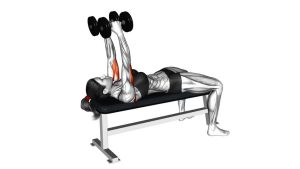
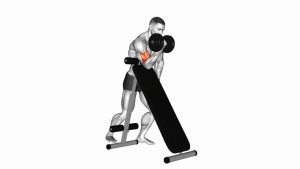
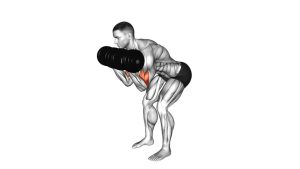
Dumbbell Lying Supine Curl
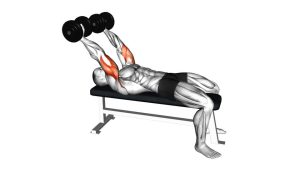
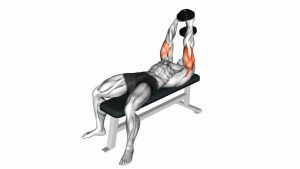
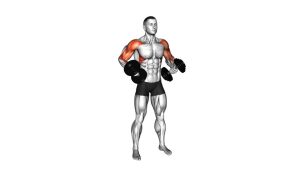
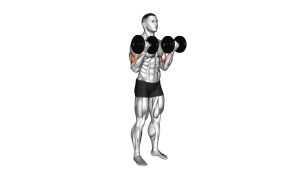
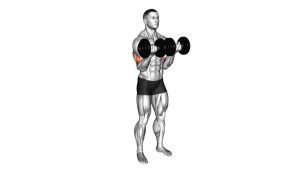
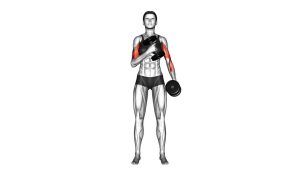
This variation is especially useful for lifters who want a cleaner curl pattern with less cheating. Because you are supported on the bench, it becomes harder to use hip drive, torso rocking, or shoulder swing to move the dumbbells. The result is a more disciplined rep that can improve arm isolation, muscle control, and time under tension.
Quick Overview
| Body Part | Forearms |
|---|---|
| Primary Muscle | Biceps brachii |
| Secondary Muscle | Brachialis, brachioradialis, forearm flexors, grip stabilizers |
| Equipment | Flat bench and dumbbells |
| Difficulty | Beginner to Intermediate |
Sets & Reps (By Goal)
- Muscle growth: 3–4 sets × 8–12 reps with controlled lowering and 60–90 sec rest
- Technique and strict form: 2–3 sets × 10–15 reps with light-to-moderate weight and smooth tempo
- Strength emphasis: 3–5 sets × 6–8 reps with heavier dumbbells and longer rest
- Finisher / pump work: 2–3 sets × 12–20 reps using lighter weight and constant tension
Progression rule: First improve control, range, and tempo. Then increase reps. Add load only when you can keep the elbows stable and the eccentric phase slow.
Setup / Starting Position
- Lie flat on a bench: Keep your head, upper back, and hips supported, with feet planted firmly on the floor.
- Grab the dumbbells with a supinated grip: Palms face upward and wrists stay straight.
- Let the arms hang in a controlled start position: Elbows should stay close to your sides without drifting wide.
- Brace lightly: Keep the ribs down and avoid over-arching the lower back.
- Start with quiet shoulders: The upper arms should remain mostly fixed throughout the rep.
Tip: Choose a weight that allows you to fully control the lowering phase. This exercise gets sloppy quickly if the dumbbells are too heavy.
Execution (Step-by-Step)
- Begin from the bottom: Start with the arms extended but not aggressively locked out.
- Curl the dumbbells upward: Bend at the elbows and bring the weights toward your torso in a smooth arc.
- Keep the upper arms steady: Do not let the shoulders roll forward or the elbows drift excessively.
- Squeeze at the top: Pause briefly when the biceps are fully shortened.
- Lower under control: Slowly return the dumbbells to the starting position without dropping them.
- Repeat with the same tempo: Every rep should look nearly identical from start to finish.
Pro Tips & Common Mistakes
- Use a neutral wrist: Do not curl the wrists upward to “help” the dumbbell move.
- Don’t rush the lowering phase: The eccentric portion is where a lot of the training value happens.
- Keep the shoulders relaxed: This should feel like an arm exercise, not a front-delt lift.
- Avoid excessive elbow travel: A little natural movement is fine, but large shifts reduce isolation.
- Don’t overload too early: This variation punishes bad form more than standing curls do.
- Match both sides: Make each dumbbell travel through the same path and tempo.
- Control the bottom stretch: Don’t let the elbows snap straight or the weights fall suddenly.
FAQ
What makes the dumbbell lying supine curl different from a standing dumbbell curl?
The bench-supported position limits body English and momentum, so it becomes easier to perform a stricter curl with more controlled elbow flexion.
Does this exercise work the forearms too?
Yes. The forearms help stabilize the wrist and grip the dumbbells throughout the set, while the brachioradialis and other elbow flexors assist the movement.
Should I use heavy or moderate weight for this exercise?
Most lifters do best with moderate weight. The goal is not to heave the dumbbells up, but to keep the reps smooth, repeatable, and strict.
Can beginners use the dumbbell lying supine curl?
Absolutely. It is beginner-friendly because the bench setup helps reduce cheating and teaches better curl mechanics from the start.
Where should I feel it most?
You should mainly feel the biceps working, with noticeable assistance from the forearms and grip. If you feel mostly shoulder strain, check your elbow position and reduce the load.
Recommended Equipment
- Lifepro Adjustable Dumbbells — space-saving adjustable dumbbells suitable for progressive curl work
- FLYBIRD WB2 Adjustable Weight Bench — useful bench option for flat and adjustable dumbbell training
- Harbinger Padded Cotton Lifting Straps — helpful if grip fatigue limits arm training volume
- Iron Bull Strength Wrist Wraps — extra wrist support for lifters who struggle to keep a neutral wrist position
- Gymreapers Lifting Wrist Straps — another grip-support option for higher-volume arm sessions
These suggestions are based on currently visible Amazon listings and category pages for adjustable dumbbells, adjustable benches, lifting straps, and wrist wraps. Availability and specific listings can change over time.