Kneeling Side Plank Twist: Core Form, Benefits, Sets & Tips
Learn the Kneeling Side Plank Twist to build oblique strength, core control, shoulder stability, and rotation with step-by-step form tips.
Kneeling Side Plank Twist
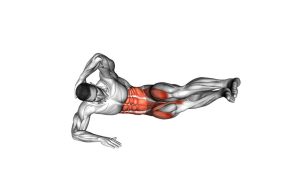
This movement works best when the rotation stays smooth and the hips remain lifted. Because the bottom knee supports the body, the exercise reduces pressure compared with a full side plank twist. However, it still requires strong core control, especially through the waist, ribs, and supporting shoulder. For best results, move slowly, breathe steadily, and avoid rushing the twist.
Quick Overview
| Body Part | Core |
|---|---|
| Primary Muscle | Obliques |
| Secondary Muscle | Rectus abdominis, transverse abdominis, glutes, deltoids, serratus anterior, shoulder stabilizers |
| Equipment | Bodyweight only; optional exercise mat for knee and hand comfort |
| Difficulty | Beginner to intermediate |
Sets & Reps (By Goal)
- Core control: 2–3 sets × 6–10 reps per side, using a slow and clean tempo.
- Oblique strength: 3–4 sets × 8–12 reps per side, resting 45–75 seconds between sets.
- Warm-up activation: 1–2 sets × 5–8 reps per side before planks, rows, or rotational work.
- Endurance and stability: 2–3 sets × 10–15 reps per side, keeping the hips lifted throughout.
Progression rule: First, improve control and range of motion. Then, add more reps or hold the top position briefly before starting the next twist.
Setup / Starting Position
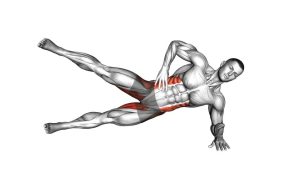
- Start on your side: Place your bottom hand on the floor and keep it under the shoulder.
- Set the lower body: Keep the bottom knee on the ground for support, then position the top leg comfortably for balance.
- Lift the hips: Create a long line from your head through your torso and hips toward the supporting knee.
- Stack the shoulder: Press the floor away with the bottom hand so the shoulder does not collapse.
- Reach the top arm up: Open the chest and point the top arm toward the ceiling before beginning the twist.
Tip: Use a soft mat if your knee or palm feels uncomfortable. A stable base makes the twist smoother and safer.
Execution (Step-by-Step)
- Brace gently: Tighten your core as if preparing for a light push, but keep your breathing controlled.
- Rotate inward: Bring the top arm down and thread it under the torso while turning the chest toward the floor.
- Keep the hips lifted: Do not allow the waist to sag as the upper body rotates.
- Pause briefly: Reach under the body only as far as you can control without shoulder strain.
- Open back up: Reverse the motion by rotating the chest upward and reaching the top arm back toward the ceiling.
- Reset your plank: Return to a strong side plank line before starting the next repetition.
Pro Tips & Common Mistakes
- Keep the bottom hand under the shoulder: This improves leverage and reduces unnecessary shoulder stress.
- Do not let the hips drop: Sagging hips shift tension away from the obliques and into the low back.
- Rotate with control: Move slowly into the twist and slowly back to the top position.
- Avoid shrugging: Keep the supporting shoulder active, but do not jam it toward the ear.
- Follow the arm naturally: Let the head turn slightly with the movement, but avoid forcing the neck.
- Use a smaller range when needed: A short, stable twist is better than a deep twist with poor alignment.
- Match both sides: Perform the same reps and tempo on each side to build balanced core strength.
FAQ
What muscles does the kneeling side plank twist work?
It mainly targets the obliques. Additionally, it trains the deep core, abs, glutes, shoulder stabilizers, and upper-body control because you must rotate while holding a supported side plank.
Is the kneeling side plank twist good for beginners?
Yes. The kneeling position makes it more accessible than a full side plank twist. However, beginners should use a small range of motion and focus on keeping the hips lifted before increasing reps.
Should I feel this exercise in my shoulder?
You may feel the supporting shoulder working for stability. However, it should not feel sharp, pinchy, or painful. If discomfort appears, check that your hand is under your shoulder and reduce the range of rotation.
How do I make the kneeling side plank twist harder?
First, slow the tempo and add a brief pause at the top. Then, increase reps or progress to a full side plank twist if you can maintain hip height and shoulder control.
Why do my hips drop during the twist?
Hips usually drop when the obliques, glutes, or shoulder stabilizers lose tension. Reduce the twist depth, press the floor away, and keep your waist lifted throughout each rep.
Recommended Equipment (Optional)
- Thick Exercise Mat — adds comfort for the supporting knee, wrist, and floor-based core training
- Yoga Knee Pad — useful if kneeling pressure limits your form or focus
- Workout Wrist Support Wraps — optional support for users who need extra wrist stability during plank variations
- Non-Slip Workout Mat — helps keep the hand and knee stable during rotation
- Resistance Bands Set — useful for pairing this exercise with anti-rotation presses, rows, and core activation drills
Tip: Equipment is optional. However, a comfortable mat can make the exercise easier to practice with better control and cleaner alignment.