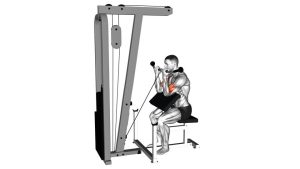
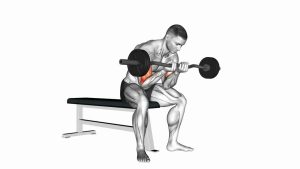
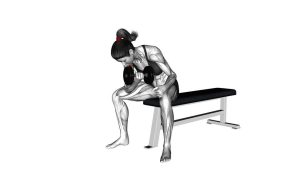
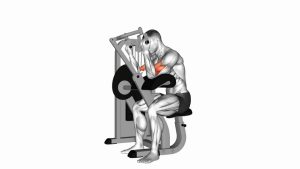
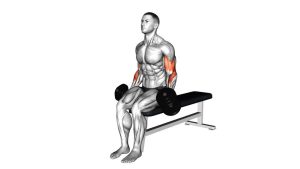
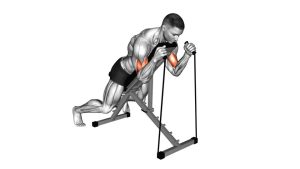
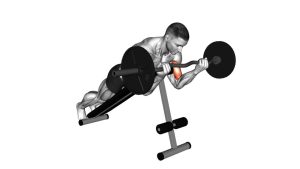
Dumbbell Preacher Curl: Proper Form, Muscles Worked, Sets, Tips & FAQ
Learn how to do the Dumbbell Preacher Curl with strict form to isolate the biceps and reduce momentum. Includes muscles worked, setup, step-by-step execution, sets and reps by goal, mistakes, FAQs, and recommended equipment.
Dumbbell Preacher Curl
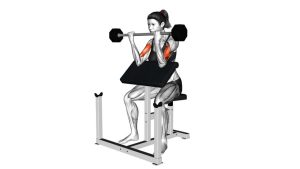
This exercise is especially useful for lifters who want stricter arm training and better biceps isolation. The preacher pad limits cheating, which means the working arm has to do more of the job. When performed correctly, the Dumbbell Preacher Curl can help build stronger, fuller-looking upper arms while improving control in both the lifting and lowering phases of the curl.
Quick Overview
| Body Part | Biceps |
|---|---|
| Primary Muscle | Biceps brachii |
| Secondary Muscle | Brachialis, brachioradialis, forearm flexors |
| Equipment | Dumbbell, preacher bench |
| Difficulty | Beginner to Intermediate |
Sets & Reps (By Goal)
- Muscle growth: 3–4 sets × 8–12 reps per arm with 60–90 seconds rest
- Strength-focused arm work: 4–5 sets × 5–8 reps per arm with 90–120 seconds rest
- Technique and control: 2–3 sets × 10–15 reps per arm with slow tempo and moderate load
- Finisher / pump work: 2–3 sets × 12–15 reps per arm with short 45–60 seconds rest
Progression rule: First improve control, range, and rep quality. Then increase reps or weight gradually while keeping the upper arm planted on the pad and the lowering phase controlled.
Setup / Starting Position
- Adjust the preacher bench: Set the pad height so your armpit sits comfortably near the top of the pad while the back of the upper arm stays fully supported.
- Grab one dumbbell: Use a supinated grip with the palm facing upward or slightly inward depending on comfort at the wrist.
- Plant your body: Sit tall with the chest stable against the bench and feet flat on the floor for balance.
- Place the working arm: Rest the back of the upper arm firmly against the angled pad and keep the elbow aligned naturally with the bench.
- Start near full extension: Lower the dumbbell until the arm is almost straight, but do not force a hard lockout at the bottom.
Tip: Start with a lighter dumbbell than you would use for regular standing curls. The preacher bench removes momentum and makes the movement feel much harder.
Execution (Step-by-Step)
- Brace and stabilize: Keep your torso still, shoulders down, and upper arm glued to the preacher pad.
- Begin the curl: Flex the elbow and curl the dumbbell upward in a smooth path without lifting the upper arm off the pad.
- Stay strict through mid-range: Continue curling while keeping the wrist neutral and the shoulder quiet. Avoid using your torso or shrugging.
- Squeeze at the top: Bring the dumbbell near shoulder level and briefly contract the biceps without losing pad contact.
- Lower under control: Reverse the motion slowly and resist gravity as you return to the bottom position.
- Stop just short of lockout: Maintain tension on the biceps and smoothly begin the next rep.
Pro Tips & Common Mistakes
- Keep the upper arm fixed: The preacher pad should do the stabilizing so the biceps can do the lifting.
- Use full control on the eccentric: Lowering slowly increases tension and improves muscle stimulus.
- Do not slam the elbow straight: Aggressive lockout can create unnecessary stress around the elbow joint.
- Keep the wrist neutral: Avoid excessive wrist extension, especially as the dumbbell gets heavier.
- Do not rush the first inch off the bottom: Initiate the curl smoothly to keep tension on the target muscles.
- Pick the right load: This exercise is about strict isolation, not swinging the heaviest dumbbell possible.
- Train both sides evenly: If using one arm at a time, match reps and effort on both arms.
FAQ
What muscles does the Dumbbell Preacher Curl work?
The main muscle worked is the biceps brachii. The brachialis and brachioradialis also assist, while the preacher setup helps minimize momentum and increase isolation.
Is the Dumbbell Preacher Curl better than a standing dumbbell curl?
It is not always better, but it is usually stricter. The preacher bench reduces body movement and cheating, which makes it excellent for focused hypertrophy and cleaner technique.
Should I fully extend my arm at the bottom?
You can lower close to full extension, but avoid a hard lockout. Keeping a slight bend helps protect the elbow and maintain tension on the biceps.
Can beginners do Dumbbell Preacher Curls?
Yes. Beginners can benefit from this movement because it teaches strict curling mechanics. Start with light weight and focus on tempo, elbow position, and range control.
Should I do one arm at a time or both arms together?
Both options can work. A one-arm version often improves focus and side-to-side balance, while two-arm preacher curls may save time and make programming simpler.
Recommended Equipment
- Adjustable Dumbbells — useful for progressive overload without needing a full rack of weights
- Preacher Curl Bench — provides the support and arm angle needed for strict preacher curl training
- Weight Bench with Preacher Pad Attachment — a practical option for home gyms with limited space
- Lifting Gloves or Grip Pads — can improve comfort and grip during higher-rep curling sessions
- Arm Blaster for Biceps Training — optional accessory for stricter elbow positioning during curl variations
Tip: For most people, a sturdy preacher bench and a good set of adjustable dumbbells are the most useful long-term choices for building stronger biceps with strict form.