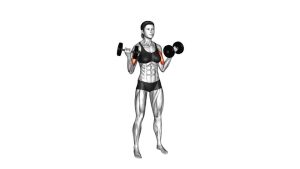
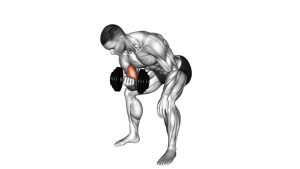
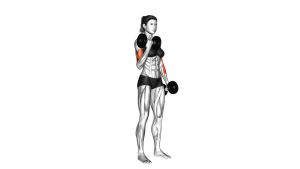
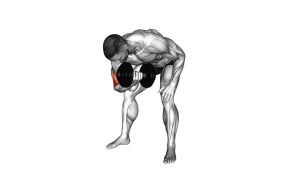
Dumbbell One-Arm Zottman Preacher Curl: Form, Sets, Muscles Worked & Tips
Learn how to do the Dumbbell One-Arm Zottman Preacher Curl with proper form. Discover muscles worked, setup, step-by-step execution, sets and reps by goal, common mistakes, FAQs, and recommended equipment.
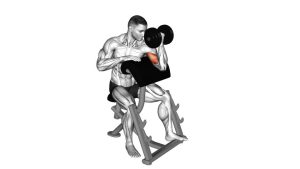
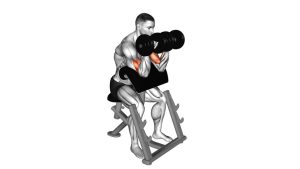
Dumbbell One-Arm Zottman Preacher Curl
This exercise is best performed with controlled tempo, a stable upper arm, and a smooth wrist rotation at the top. Because the preacher pad reduces cheating, even a moderate load can feel challenging. Focus on squeezing the biceps during the lifting phase, then resist the weight on the way down as your forearms take on more of the work.
Quick Overview
| Body Part | Biceps |
|---|---|
| Primary Muscle | Biceps brachii |
| Secondary Muscle | Brachialis, brachioradialis, forearm pronators, forearm supinators |
| Equipment | Preacher bench and one dumbbell |
| Difficulty | Intermediate |
Sets & Reps (By Goal)
- Muscle growth: 3–4 sets × 8–12 reps per arm with controlled rotation and 60–90 sec rest
- Strength-focused arm work: 3–5 sets × 6–8 reps per arm using strict form and 90–120 sec rest
- Forearm and grip emphasis: 2–4 sets × 10–15 reps per arm with a slower lowering phase
- Finisher / pump work: 2–3 sets × 12–15 reps per arm with lighter weight and constant tension
Progression rule: Increase reps first, then add small amounts of weight only when you can keep the upper arm pinned to the pad and perform a clean top rotation without rushing.
Setup / Starting Position
- Adjust the preacher bench: Set the pad height so your working upper arm rests comfortably against it without your shoulder rolling forward.
- Sit square and stable: Plant your feet firmly and keep your torso still throughout the set.
- Place one upper arm on the pad: The back of the upper arm should stay supported from start to finish.
- Hold the dumbbell with a supinated grip: Start with your palm facing up and your wrist neutral.
- Begin near full extension: Let the arm straighten almost fully, but avoid locking the elbow hard at the bottom.
Tip: Position the elbow naturally on the pad instead of jamming it into the edge. A comfortable setup helps keep tension where it belongs—on the arm muscles, not the joint.
Execution (Step-by-Step)
- Brace and stay still: Keep your chest quiet, shoulder relaxed, and upper arm glued to the preacher pad.
- Curl the dumbbell up: Flex the elbow and raise the weight with your palm facing up to target the biceps.
- Squeeze at the top: Pause briefly when the dumbbell reaches the top portion of the curl without letting the elbow lift off the pad.
- Rotate the wrist: Turn the dumbbell from a supinated position to a pronated position at the top under control.
- Lower slowly: Descend with your palm facing down, resisting the weight to emphasize the forearms and brachioradialis.
- Reset the grip at the bottom: Once you reach the bottom position, rotate back to a palm-up grip before starting the next rep.
Pro Tips & Common Mistakes
- Keep the upper arm fixed: The preacher pad should prevent extra shoulder movement and swinging.
- Use a moderate load: This exercise becomes ineffective when the dumbbell is too heavy to rotate cleanly.
- Control the eccentric: The lowering phase is where the forearm challenge increases, so do not let the weight drop.
- Rotate only at the top and bottom: Avoid twisting the wrist randomly through the middle of the curl.
- Do not hyperextend the elbow: Stopping just short of a hard lockout keeps better tension on the arm.
- Train both sides evenly: Match reps and tempo from arm to arm to reduce strength imbalances.
- Avoid wrist collapse: Letting the wrist bend backward can reduce force transfer and irritate the joint.
FAQ
What makes this different from a regular preacher curl?
A regular preacher curl usually keeps the same grip through the full repetition. In this variation, you curl up with a palm-up grip and lower with a palm-down grip, which increases forearm involvement and adds a Zottman-style twist.
Which muscles does the Dumbbell One-Arm Zottman Preacher Curl work most?
The main target is the biceps brachii during the lifting phase. The brachialis, brachioradialis, and other forearm muscles contribute strongly during the lowering phase and wrist rotation.
Should I use a heavy dumbbell for this exercise?
Usually no. A moderate weight works better because this movement depends on strict form, clean wrist rotation, and slow control. Going too heavy often ruins the rotation and shifts stress away from the target muscles.
Is this a good exercise for forearms too?
Yes. The pronated eccentric phase makes it more effective for the forearms than a standard preacher curl. It is a great choice when you want a biceps exercise that also gives extra work to the brachioradialis and grip muscles.
Can beginners do this exercise?
Beginners can do it, but many lifters learn it more easily after mastering standard dumbbell curls and regular preacher curls first. Start light and focus on the rotation pattern before worrying about weight.
Recommended Equipment
- Adjustable Dumbbell — practical for fine-tuning load during unilateral arm training
- Preacher Curl Bench — provides the stable arm support needed for strict preacher curl variations
- Weightlifting Gloves — can improve dumbbell grip comfort during the pronated lowering phase
- Wrist Wraps for Lifting — helpful for lifters who want extra wrist support while keeping a neutral hand position
- Arm Blaster — optional accessory for stricter curl mechanics in other biceps movements
Tip: For this exercise, the best investment is usually a stable preacher bench and a dumbbell you can control through the full curl-and-rotate sequence.