Dumbbell Split Stance Single-Arm Overhead Press: Form, Sets, Tips & FAQ
Learn how to do the Dumbbell Split Stance Single-Arm Overhead Press with proper form, setup, sets and reps by goal, common mistakes, FAQs, and recommended equipment for stronger shoulders and better core stability.
Dumbbell Split Stance Single-Arm Overhead Press
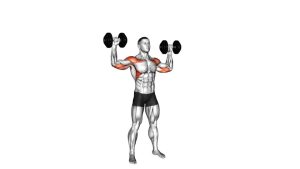
This exercise is especially useful for lifters who want to improve shoulder strength, single-side control, and core stability at the same time. Because only one arm works at a time, the body has to resist twisting, which makes this movement valuable for both muscle-building and functional strength training. Use a controlled tempo and focus on keeping the dumbbell stacked over the shoulder rather than pressing it forward.
Quick Overview
| Body Part | Shoulders |
|---|---|
| Primary Muscle | Deltoids (primarily front delts) |
| Secondary Muscle | Triceps, side delts, upper chest, obliques, core stabilizers, glutes |
| Equipment | 1 dumbbell |
| Difficulty | Intermediate |
Sets & Reps (By Goal)
- Muscle building: 3–4 sets × 8–12 reps per arm, 60–90 sec rest
- Strength: 4–5 sets × 4–6 reps per arm, 90–120 sec rest
- Shoulder stability / control: 2–4 sets × 8–10 reps per arm, slow tempo, 45–75 sec rest
- General fitness: 2–3 sets × 10–15 reps per arm, moderate load, 45–60 sec rest
Progression rule: Add reps first, then add load once you can press without rib flare, torso rotation, or balance loss in the split stance.
Setup / Starting Position
- Take a split stance: Step one foot forward and the other foot back. Keep both feet about hip-width apart for balance.
- Hold one dumbbell at shoulder level: The palm can face forward or slightly inward, with the elbow under or slightly in front of the wrist.
- Brace the core: Pull the ribs down, squeeze the glutes lightly, and keep the torso upright.
- Square the body: Hips and chest face forward. Avoid twisting toward or away from the working arm.
- Set the shoulder: Keep the shoulder packed and avoid shrugging before the press begins.
Tip: A slightly shorter split stance usually makes it easier to stay balanced and keep the press path vertical.
Execution (Step-by-Step)
- Start tall: Keep your eyes forward, chest up, and core tight with the dumbbell resting at shoulder height.
- Press straight overhead: Drive the dumbbell upward in a smooth vertical line while keeping the torso still.
- Reach full extension: Finish with the arm overhead and the wrist, elbow, and shoulder stacked in line.
- Pause briefly: Control the top position without shrugging excessively or leaning back.
- Lower under control: Bring the dumbbell back to shoulder level slowly and repeat for the target reps before switching arms.
Pro Tips & Common Mistakes
- Keep the ribs down: Don’t turn the movement into a standing backbend.
- Press up, not forward: The dumbbell should travel overhead, not out in front of the body.
- Stay balanced: Spread pressure through both feet and avoid shifting too much onto the front leg.
- Resist rotation: Don’t let the torso twist as one arm presses.
- Use full control on the way down: The eccentric phase helps build stability and shoulder control.
- Don’t go too heavy too soon: This variation rewards clean posture and balanced mechanics more than sloppy max loading.
FAQ
What does the split stance change in an overhead press?
The split stance gives you a more stable base while also challenging your core to resist rotation. It often helps lifters stay more controlled than in a narrow standing stance.
Which muscles does this exercise target most?
The main target is the shoulders, especially the front delts. The triceps assist the press, while the core, glutes, and lower body stabilize the movement.
Should I alternate arms or finish one side first?
Both methods work, but finishing all reps on one arm first is often better for focus and consistent setup. Alternating sides can also work well when using lighter weights.
Can beginners do this exercise?
Yes, but it is usually easier to learn after mastering a basic dumbbell overhead press. Beginners should start light and prioritize posture, balance, and control.
What are the most common mistakes?
The biggest mistakes are leaning back, flaring the ribs, pressing the dumbbell forward, and letting the torso rotate during the lift.
Recommended Equipment
- Adjustable Dumbbell — ideal for progressive overload without needing a full dumbbell rack
- Adjustable Workout Bench — useful for pairing this press with seated and incline shoulder work
- Weightlifting Belt — optional support for heavier overhead strength-focused sets
- Resistance Bands Set — great for warm-ups, shoulder activation, and mobility drills before pressing
- Gym Floor Mat — helps provide a stable and comfortable training surface for standing exercises
Tip: Choose a load that lets you keep a tall torso, steady split stance, and smooth dumbbell path from first rep to last.