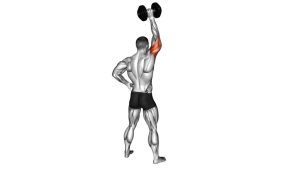
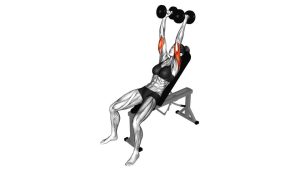
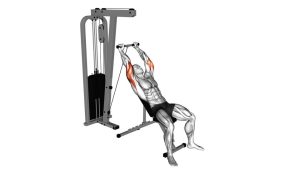
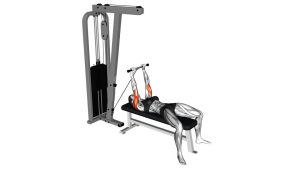
Dumbbell Incline Two-Arm Extension: Proper Form, Sets, Tips & FAQ
Learn the Dumbbell Incline Two-Arm Extension for triceps growth and long head emphasis. Discover proper form, setup, step-by-step execution, sets by goal, common mistakes, FAQs, and recommended equipment.
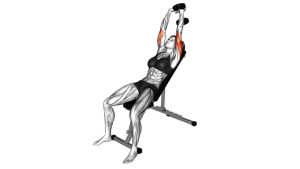
Dumbbell Incline Two-Arm Extension
This variation is excellent for lifters who want to build bigger triceps while training through a long range of motion. Because your shoulders are set in an overhead position against an incline bench, the triceps work hard both in the stretch and during the lockout. The key is to move with elbow control, not momentum. A smooth lowering phase and a strong but controlled extension will make this exercise much more effective.
Quick Overview
| Body Part | Triceps |
|---|---|
| Primary Muscle | Triceps brachii (long head emphasis) |
| Secondary Muscle | Triceps lateral head, triceps medial head, shoulders for stabilization, forearms/grip |
| Equipment | Incline bench and one dumbbell |
| Difficulty | Intermediate |
Sets & Reps (By Goal)
- Muscle growth: 3–4 sets × 8–12 reps with 60–90 seconds rest
- Strength-focused accessory work: 3–5 sets × 6–8 reps with 90–120 seconds rest
- Technique and control: 2–3 sets × 10–15 reps using a slower tempo and lighter load
- Finisher / pump work: 2–3 sets × 12–20 reps with controlled form and short rest
Progression rule: Add reps before adding load. When you can complete all sets with clean elbow tracking, a full stretch, and no shoulder compensation, increase the dumbbell slightly.
Setup / Starting Position
- Set the bench: Adjust an incline bench to roughly 45–60 degrees so your torso is supported.
- Grab one dumbbell: Hold it vertically with both hands around the inner plate or top end of the handle.
- Sit back firmly: Keep your head, upper back, and torso stable against the bench pad.
- Raise the dumbbell overhead: Bring it above the chest and then position it slightly behind the head with bent elbows.
- Set your arms: Point the elbows mostly upward and keep them tucked in rather than flaring wide.
- Brace lightly: Keep ribs down, wrists neutral, and core engaged before starting the rep.
Tip: Think of your upper arms as the “anchor.” The elbow joint should do most of the motion.
Execution (Step-by-Step)
- Start in the stretched position: Lower the dumbbell behind your head until your elbows are deeply bent and your triceps feel a strong stretch.
- Keep the upper arms stable: Avoid letting the elbows drift too far outward or backward.
- Extend the elbows: Drive the dumbbell upward by straightening your arms in a controlled arc.
- Stop near lockout: Finish when your arms are nearly straight and your triceps are fully contracted, without slamming the elbows hard.
- Lower slowly: Bring the dumbbell back behind the head under control, resisting gravity through the eccentric phase.
- Repeat smoothly: Maintain the same path every rep without bouncing or rushing the bottom position.
Pro Tips & Common Mistakes
- Use a full but pain-free range: The stretched bottom position is valuable, but never force shoulder discomfort.
- Keep elbows from flaring too much: A little natural movement is fine, but excessive flare reduces triceps isolation.
- Control the eccentric: Lowering slowly improves tension and keeps the elbows happier.
- Don’t go too heavy too soon: Excessive load often turns this into sloppy shoulder movement.
- Keep wrists stacked: Neutral wrists help transfer force cleanly into the dumbbell.
- Avoid arching the lower back: Stay connected to the bench and keep your ribs from popping up.
- Pause briefly at the bottom: This removes momentum and improves triceps recruitment.
FAQ
What muscles does the Dumbbell Incline Two-Arm Extension work?
It mainly targets the triceps brachii, especially the long head because the arms are positioned overhead on the incline bench.
Is this better than a flat triceps extension?
It can be excellent for lifters who want more stretch on the long head of the triceps. The incline position often makes the movement feel deeper and more focused.
Should I use one dumbbell or two?
This specific variation is usually performed with one dumbbell held with both hands. That setup helps many lifters control the movement and load both arms evenly.
How low should I lower the dumbbell?
Lower it until you feel a strong triceps stretch while keeping the motion controlled and pain-free. Do not force extra range if your shoulders or elbows feel stressed.
Can beginners do this exercise?
Yes, but beginners should start with a light dumbbell and focus on control, elbow tracking, and a manageable range of motion before trying heavier loads.
Recommended Equipment
- Adjustable Weight Bench — essential for setting the incline angle needed for this exercise
- Adjustable Dumbbell — lets you scale the load as your triceps strength improves
- Fixed Dumbbell Set — a simple option if you prefer quick weight changes and consistent balance
- Wrist Wraps — useful if you want extra wrist support during pressing and extension work
- Workout Mat — helpful for protecting your floor and creating a cleaner home-gym setup around the bench
Tip: For this movement, the most important purchases are a solid adjustable bench and a dumbbell you can progress with. Extra accessories are optional.