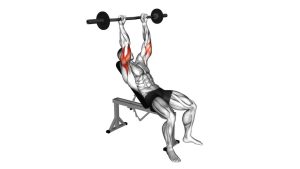
EZ-Barbell Decline Triceps Extension: Form, Sets, Tips & FAQ
Learn the EZ-Barbell Decline Triceps Extension with proper form, setup, step-by-step execution, sets by goal, common mistakes, FAQs, and recommended equipment for safer, stronger triceps training.
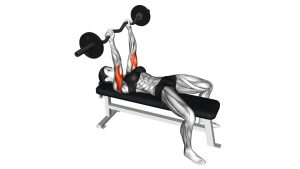
EZ-Barbell Decline Triceps Extension
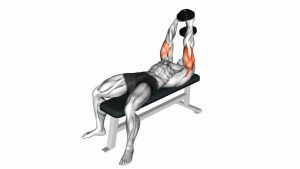
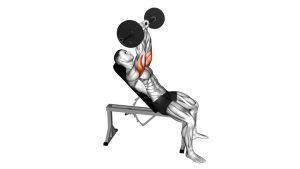
This exercise works best when performed with strict control rather than momentum. Your shoulders should stay quiet while the elbows do the work. Lower the bar under control toward the forehead or slightly behind the head, then extend the elbows to return to the top without turning the movement into a press. A moderate range of motion, stable upper arms, and a smooth tempo will usually train the triceps more effectively than using excessive load.
Quick Overview
| Body Part | Triceps |
|---|---|
| Primary Muscle | Triceps brachii |
| Secondary Muscle | Anconeus, forearms, and shoulder stabilizers |
| Equipment | EZ bar, weight plates, decline bench, collars |
| Difficulty | Intermediate |
Sets & Reps (By Goal)
- Muscle growth: 3–4 sets × 8–12 reps with 60–90 sec rest
- Strength-focused accessory work: 3–5 sets × 6–8 reps with 90–120 sec rest
- Controlled hypertrophy / joint-friendly work: 2–4 sets × 10–15 reps with 45–75 sec rest
- Finisher after pressing work: 2–3 sets × 12–15 reps with strict tempo
Progression rule: Add reps before load when possible. Only increase weight if you can keep the elbows stable, lower the bar under control, and finish each rep without turning it into a chest or shoulder press.
Setup / Starting Position
- Set the bench: Position a decline bench securely and lock your feet under the pads.
- Load the EZ bar: Use plates and secure them with collars before lying back.
- Choose your grip: Grab the angled sections of the EZ bar with a comfortable, shoulder-width grip.
- Lie back and brace: Keep your upper back and head supported while maintaining a stable torso.
- Start at lockout: Press or place the bar above your upper chest/face line with elbows extended and upper arms nearly vertical.
Tip: The best setup is the one that lets you keep the upper arms steady from the first rep to the last.
Execution (Step-by-Step)
- Brace and align: Keep your grip firm, wrists neutral, and elbows pointed generally upward rather than flared wide.
- Lower the bar slowly: Bend only at the elbows and guide the EZ bar toward the forehead or slightly behind the head in a controlled arc.
- Keep upper arms fixed: Avoid excessive shoulder movement or letting the elbows travel backward too much.
- Reach the bottom under control: Pause briefly when the elbows are deeply flexed and the triceps are fully stretched.
- Extend the elbows: Drive the bar back up along the same path until your arms are straight but not aggressively hyperextended.
- Repeat smoothly: Maintain the same bar path, elbow position, and tempo for every rep.
Pro Tips & Common Mistakes
- Use the EZ-bar angles: They usually feel better on the wrists than a straight bar.
- Think “bend and straighten the elbows”: This keeps the tension where it belongs—on the triceps.
- Control the negative: A slow descent usually improves triceps tension and joint control.
- Don’t let the shoulders take over: Too much shoulder movement reduces isolation.
- Avoid flaring the elbows too wide: Excess flare can make the rep unstable and less efficient.
- Don’t chase ego weight: This movement rewards precision more than load.
- Use a spotter or safe setup if going heavy: Especially when training close to failure.
FAQ
What makes the decline version different from the flat-bench version?
The decline angle changes the arm path and can increase the stretch on the triceps, especially the long head. Many lifters also feel more stable on the bench and find it easier to keep constant tension through the rep.
Where should I feel this exercise most?
You should feel it mainly in the triceps, especially through the back of the upper arm. A strong stretch at the bottom is normal, but sharp elbow pain is not.
Should I lower the bar to my forehead or behind my head?
Either can work if you stay in control. Lowering slightly behind the head may increase stretch, but only use a range you can control without losing elbow position or shoulder stability.
Is this exercise good for building bigger triceps?
Yes. It is a strong accessory movement for triceps hypertrophy when performed with controlled reps, moderate volume, and progressive overload over time.
What is the biggest mistake lifters make here?
Using too much weight. That usually causes elbow flare, sloppy bar path, reduced range of motion, and less effective triceps loading.
Recommended Equipment
- Olympic EZ Curl Bar — the core tool for this exercise; angled grips can help reduce wrist strain
- Adjustable Decline Weight Bench — needed for a secure decline setup and consistent body positioning
- Olympic Barbell Collars — helps keep plates locked in place during every rep
- Elbow Sleeves — optional support for lifters who want extra warmth and comfort around the elbows
- Weight Plates Set — lets you micro-load the EZ bar and progress the movement more gradually
Choose equipment that improves control, stability, and joint comfort rather than simply adding more weight.