Dumbbell V-Up: Core Form, Sets, Tips, Mistakes & FAQ
Learn the Dumbbell V-Up for stronger abs and hip flexors. Step-by-step form, sets, tips, mistakes, FAQs, and useful core training gear.
Dumbbell V-Up
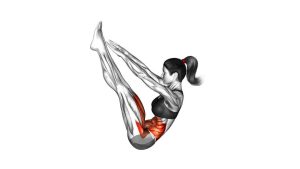
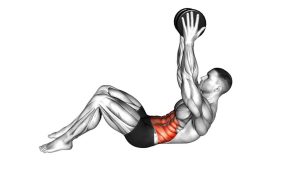
This exercise works best when the upper body and legs move together. At the start, the body is long on the floor with the dumbbell held overhead. Then, the torso and straight legs rise at the same time until the body forms a V shape. After a brief peak contraction, the arms and legs lower together under control. As a result, the movement trains both core strength and full-body coordination.
Quick Overview
| Body Part | Core |
|---|---|
| Primary Muscle | Rectus abdominis |
| Secondary Muscle | Hip flexors, obliques, quadriceps, shoulder flexors |
| Equipment | Dumbbell and exercise mat |
| Difficulty | Intermediate to advanced |
Sets & Reps (By Goal)
- Core strength: 3–4 sets × 6–10 reps with a controlled tempo.
- Muscle endurance: 2–3 sets × 10–15 reps using a lighter dumbbell.
- Technique practice: 2–3 sets × 5–8 slow reps with minimal load.
- Advanced ab finisher: 2–4 sets × 8–12 reps near the end of a core workout.
Progression rule: Add reps first. Then, increase dumbbell weight only when your legs stay straight, your lowering phase stays controlled, and your lower back does not collapse into the floor.
Setup / Starting Position
- Lie on your back: Start fully extended on the floor or on an exercise mat.
- Hold the dumbbell securely: Grip one dumbbell with both hands and extend your arms overhead.
- Lengthen your legs: Keep both legs straight and close together.
- Brace your core: Lightly tighten your abs before the first rep so your lower back stays controlled.
- Set your neck: Keep the head neutral before lifting, and avoid pulling with the chin.
Tip: Start with a small dumbbell. Since the weight travels from overhead toward the legs, even a light load can feel challenging.
Execution (Step-by-Step)
- Begin from full extension: Keep your arms overhead, legs straight, and core lightly braced.
- Lift together: Raise your arms, shoulders, torso, and straight legs at the same time.
- Reach toward the legs: Bring the dumbbell forward as your legs rise, creating a V shape with your body.
- Pause at the top: Balance briefly on the hips and squeeze the abs without rushing.
- Lower with control: Return the arms overhead and lower the legs at the same time.
- Reset smoothly: Finish each rep in the long starting position before beginning the next repetition.
Pro Tips & Common Mistakes
- Use a light dumbbell first: Heavier weight can quickly turn the movement into a swinging pattern.
- Keep the legs straight: The video shows straight-leg movement, so avoid bending the knees unless modifying.
- Move both halves together: Lift the arms and legs at the same time for better core coordination.
- Control the descent: Lowering slowly is just as important as lifting to the top.
- Avoid yanking the neck: Let the abs lift the torso while the head follows naturally.
- Do not slam the heels down: Light floor contact or a controlled hover keeps tension on the core.
- Keep the dumbbell secure: Hold it firmly with both hands throughout the full rep.
FAQ
What muscles does the Dumbbell V-Up work?
The Dumbbell V-Up mainly targets the rectus abdominis. In addition, the hip flexors, obliques, quadriceps, and shoulder flexors assist because the legs and weighted arms move together.
Is the Dumbbell V-Up beginner-friendly?
It is usually better for intermediate or advanced trainees. However, beginners can practice regular V-ups, tuck-ups, or bodyweight variations first before adding a dumbbell.
How heavy should the dumbbell be?
Start light. A dumbbell that feels easy in a normal lift can feel much harder during a V-up because it moves from an overhead position into a long lever pattern.
Should my legs stay straight?
Yes, in this version, the legs stay straight throughout the visible movement. If that is too difficult, reduce the range or use a bodyweight version before adding load.
Why does my lower back lift or arch?
This often happens when the load is too heavy, the legs lower too quickly, or the abs lose tension. Therefore, use a lighter dumbbell and control the lowering phase.
Recommended Equipment
- Hex Dumbbell — ideal for weighted V-ups and controlled core strength work.
- Adjustable Dumbbell — useful when you want small load progressions without buying multiple dumbbells.
- Thick Exercise Mat — adds comfort for the spine, hips, and shoulders during floor-based core training.
- Ab Workout Mat — provides extra support during repeated crunching and V-up patterns.
- Foam Roller — helpful for warm-ups, recovery, and reducing general tension after core sessions.
Tip: For this exercise, the dumbbell should improve resistance without causing swinging, neck strain, or uncontrolled lowering. Choose control before load.