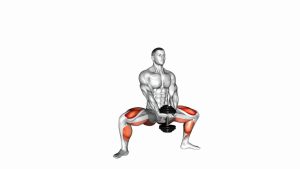
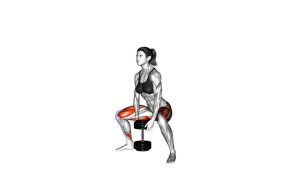
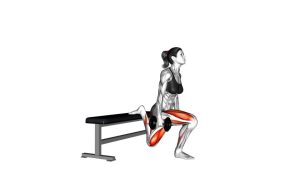
Dumbbell Walking Lunge: Proper Form, Muscles Worked & Tips
Learn the Dumbbell Walking Lunge with proper form, muscles worked, sets and reps, common mistakes, and practical tips to build stronger, steadier legs.
Dumbbell Walking Lunge
Dumbbell Walking Lunges develop lower-body strength while challenging each leg independently. Consequently, they can help improve muscular coordination, single-leg stability, and strength differences between sides. The quadriceps control knee movement, while the glutes contribute significantly to hip extension during the upward phase.
Additionally, the continuous forward movement challenges the core and hip stabilizers as body weight shifts between legs. Although dumbbells add resistance, beginners can first practice bodyweight walking lunges to establish proper technique. For the best results, prioritize comfortable stride length, steady balance, and consistent depth rather than maximum weight.
Quick Overview
| Body Part | Legs |
|---|---|
| Primary Muscle | Quadriceps and gluteus maximus |
| Secondary Muscle | Hamstrings, adductors, gluteus medius, calves, and core stabilizers |
| Equipment | Two dumbbells and a flat, stable walking surface |
| Difficulty | Intermediate, depending on dumbbell weight, coordination, balance, and movement control |
Sets & Reps (By Goal)
- Beginner technique: 2–3 sets × 6–8 steps per leg with bodyweight or light dumbbells. Rest 60–90 seconds between sets while focusing on balance.
- Muscle strength: 3–5 sets × 6–8 steps per leg using challenging but manageable dumbbells. Rest 90–180 seconds to maintain quality repetitions.
- Muscle hypertrophy: 3–4 sets × 8–12 steps per leg with moderate resistance. Use a controlled lowering phase and rest 60–120 seconds.
- Muscular endurance: 2–3 sets × 12–20 steps per leg with lighter dumbbells. Maintain steady technique and rest approximately 45–90 seconds.
- Balance and coordination: 2–3 sets × 6–10 steps per leg with minimal resistance. Pause briefly between strides and prioritize controlled foot placement.
Choosing the Right Weight and Progression
Initially, select dumbbells that allow you to maintain balance throughout every repetition. Furthermore, choose a weight that does not cause excessive forward leaning or uncontrolled stepping. The final repetitions should feel challenging without compromising technique.
Progression rule: First improve stride consistency, knee control, and repetition depth. Next increase the total steps or add a small amount of resistance. However, avoid increasing weight and walking speed simultaneously. Count one complete forward lunge on each leg as one repetition per side.
Setup / Starting Position
- Select suitable dumbbells: Choose two weights that you can hold comfortably throughout the entire walking distance. Beginners should start light and develop balance before increasing resistance.
- Prepare your walking space: Find a flat, firm, unobstructed surface with sufficient room for several forward lunges. Additionally, ensure your shoes provide reliable traction and stability.
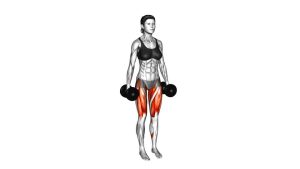
- Stand in a balanced position: Place your feet approximately hip-width apart. Keep your knees relaxed and distribute your weight evenly.
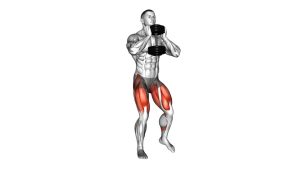
- Hold the dumbbells beside your thighs: Let your arms extend naturally with a neutral grip. Meanwhile, keep your wrists straight and shoulders relaxed. Avoid lifting or swinging the weights.
- Set your upper-body posture: Keep your chest comfortably lifted, spine neutral, and head aligned with your torso. Brace your abdominal muscles gently without holding your breath.
- Prepare your first step: Shift your weight onto one leg while staying upright. Then move the opposite foot forward into a comfortable stride. Maintain some side-to-side distance between your feet for balance.
Starting-Position Alignment
Before beginning, check that both dumbbells hang evenly beside your body. Your shoulders should remain level, while your hips stay facing forward. Furthermore, avoid placing your feet directly along a narrow imaginary line. A slightly wider walking path usually improves stability.
Tip: If balancing with dumbbells feels difficult, practice several bodyweight walking lunges first. Once your movement becomes smooth, introduce light resistance.
Execution (Step-by-Step)
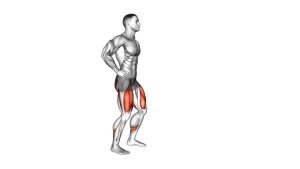
- Take a controlled forward step: Step forward with one leg while maintaining a stable torso. Place the leading foot firmly on the floor. Avoid an excessively narrow or exaggerated stride.
- Begin the lowering phase: Bend both knees while allowing your hips to descend. Keep the front foot planted and the rear heel elevated. Meanwhile, maintain gentle abdominal tension for stability.
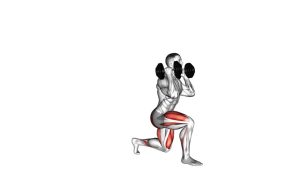
- Lower into the lunge: Continue bending the knees until your rear knee approaches the floor within a comfortable range. The front knee may bend beyond 90 degrees if mobility and control permit.
- Maintain proper knee alignment: Keep your leading knee tracking generally in the direction of your toes. Additionally, avoid allowing the knee to collapse inward as you lower.
- Control the bottom position: Briefly stabilize your body without bouncing the rear knee against the ground. Keep the dumbbells close to your sides and minimize swinging.
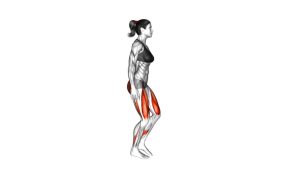
- Drive upward through the leading leg: Push through your front foot to extend the knee and hip. As a result, your body rises from the lunge. Maintain a steady torso rather than jerking upward.
- Bring the rear leg forward: Transfer your balance onto the leading leg. Then move your trailing foot forward into the next stride. Unlike a stationary lunge, do not step backward to return to your original position.
- Alternate legs continuously: Lower into the next lunge with the opposite leg leading. Repeat the same controlled movement pattern while progressing forward through the available walking space.
Breathing and Walking Rhythm
Inhale naturally during the lowering phase. Then exhale as you push upward and move into the next step. Throughout the movement, maintain a consistent rhythm rather than allowing momentum to dictate your speed.
Although the exercise involves continuous forward travel, each lunge should remain a controlled repetition. Therefore, briefly stabilize your balance whenever necessary. A slower pace is especially useful when learning to coordinate the legs and dumbbells.
Pro Tips & Common Mistakes
- Maintain a comfortable stride length: Avoid stepping excessively far forward or taking tiny steps. Instead, use a stride that allows comfortable knee flexion and stable hip positioning.
- Keep your front foot planted: Distribute pressure across the foot during each repetition. Furthermore, avoid rising onto the toes unnecessarily or allowing the heel to lift.
- Control your knee tracking: Keep the front knee moving generally in line with the toes. Excessive inward collapse may indicate poor balance, fatigue, or unsuitable resistance.
- Avoid excessive forward leaning: Maintain a controlled torso with a natural, comfortable forward inclination if needed. However, avoid rounding your back or folding excessively at the waist.
- Do not bounce the rear knee: Lower smoothly toward the floor without forceful contact. Consequently, you can maintain better muscular control and reduce unnecessary impact.
- Prevent dumbbell swinging: Keep the arms relaxed and the weights close to your thighs. Additionally, avoid using your shoulders or arms to generate momentum.
- Maintain adequate walking width: Avoid placing one foot directly in front of the other along a tightrope-like line. Instead, preserve enough lateral spacing to support comfortable balance.
- Do not rush between repetitions: Excessive speed can reduce stability and shorten the effective range of motion. Therefore, establish control before taking each new step.
- Use appropriate resistance: Heavy dumbbells are only beneficial when technique remains consistent. If your posture deteriorates, decrease the load or reduce the total repetitions.
Improving Technique and Muscle Engagement
For greater quadriceps involvement, maintain controlled knee flexion and a relatively upright torso. Meanwhile, the gluteus maximus contributes strongly as the leading hip extends during the upward phase. Both muscle groups remain important regardless of minor changes in stride length.
Additionally, practice equal numbers of repetitions with both legs. If one side feels less stable, reduce the resistance and concentrate on consistent foot placement. Over time, gradual progression can improve coordination and confidence.
Training tip: Prioritize controlled repetitions over walking distance. A shorter set with excellent form is generally more productive than a longer set performed with unstable balance and excessive momentum.
FAQ
Muscles Worked and Exercise Technique
What muscles do Dumbbell Walking Lunges work?
Dumbbell Walking Lunges primarily train the quadriceps and gluteus maximus. Additionally, the hamstrings, adductors, calves, gluteus medius, and core muscles contribute to stability and coordinated movement.
Because each leg works independently, the exercise also challenges unilateral strength and balance. Therefore, it can complement bilateral movements such as squats and leg presses.
Are Dumbbell Walking Lunges good for glute growth?
Yes. The gluteus maximus contributes to hip extension as you rise from each lunge. Consequently, progressive resistance and controlled repetitions can make walking lunges useful for a glute-focused training program.
However, muscle growth also depends on sufficient training volume, recovery, and nutrition. Pairing lunges with exercises such as hip thrusts and squats can provide additional training variety.
What is the difference between walking and stationary lunges?
Walking lunges involve moving forward with alternating steps after each repetition. In contrast, stationary lunges generally return to the same starting position without continuous travel.
As a result, walking lunges require additional coordination and balance during the forward transition. Both variations can effectively strengthen the quadriceps and glutes.
Should the front knee go past the toes during lunges?
Some forward knee movement beyond the toes is normal and is not automatically unsafe. Instead, focus on comfortable joint motion, stable foot pressure, and controlled knee tracking.
Furthermore, individual limb proportions and ankle mobility influence how far the knee travels. Adjust your stride if discomfort or instability occurs.
Programming, Progression, and Common Problems
How many Dumbbell Walking Lunges should I perform?
For muscle growth, a useful starting point is 3–4 sets of 8–12 steps per leg. Meanwhile, strength-focused workouts may use fewer repetitions with heavier resistance.
Beginners should prioritize lighter loads and fewer steps. As technique improves, gradually increase repetitions or resistance according to your training goal.
Why do I lose balance during Dumbbell Walking Lunges?
Balance problems may result from excessive resistance, narrow foot placement, rushed transitions, or insufficient hip stability. Additionally, very long strides can make the movement harder to control.
To improve stability, reduce the dumbbell weight and walk with slightly wider foot placement. Furthermore, pause briefly after each step until your balance becomes more reliable.
Can beginners perform Dumbbell Walking Lunges?
Yes, provided they can first perform controlled bodyweight lunges without significant discomfort or balance problems. Beginners should start with short sets and gradually introduce light dumbbells.
However, individuals who find walking lunges difficult may benefit from practicing stationary lunges first. Once their control improves, they can progress to alternating forward steps.
How often should I include walking lunges in my workouts?
Many training programs include walking lunges one to three times weekly, depending on total training volume and recovery. For example, they can follow a primary squat or deadlift variation during a lower-body session.
Nevertheless, avoid repeating demanding sets when your legs remain excessively fatigued. Allow sufficient recovery while adjusting weekly volume to your experience level.
Are Dumbbell Walking Lunges better than squats?
Neither exercise is universally better. Squats allow bilateral force production, while walking lunges challenge each leg separately and require additional balance during movement.
Therefore, combining both exercises can provide complementary lower-body training benefits. Choose your emphasis according to your goals, equipment, and movement ability.
Recommended Equipment
- Rubber Hex Dumbbells — provide reliable resistance for walking lunges, unilateral leg training, and full-body strength workouts. Their hexagonal shape also helps prevent rolling when placed on the floor.
- Adjustable Dumbbell Set — allows gradual resistance progression without purchasing numerous fixed-weight pairs. An adjustable set is particularly practical for home workouts with limited storage space.
- Cross-Training Gym Shoes — provide a stable base and suitable traction for forward lunges and other resistance exercises. Choose shoes with secure fitting and dependable contact with the training surface.
- Weightlifting Grip Straps — may help experienced lifters maintain their dumbbell grip during heavier or longer sets. However, they are optional and should not replace basic grip strength or safe weight selection.
- Interlocking Rubber Gym Floor Tiles — can create a durable training surface for home strength exercises. Ensure the tiles are firmly secured, level, and non-slip before performing walking lunges.
Tip: Start with suitable dumbbells and supportive training shoes. Additional accessories are optional. For better long-term progress, increase resistance gradually while maintaining stable foot placement, controlled lowering, and consistent repetitions.