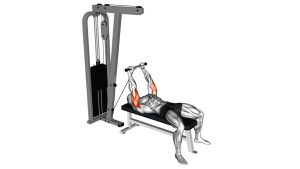
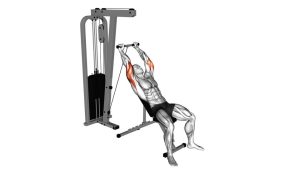
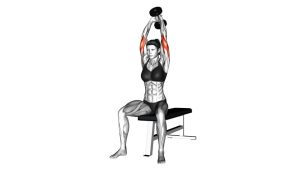
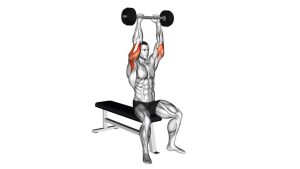
Elbow Extension: Proper Form, Sets, Muscles Worked & FAQ
Learn how to perform the elbow extension with proper form to target the triceps effectively. Includes muscles worked, setup, step-by-step execution, sets by goal, common mistakes, FAQs, and recommended equipment.
Elbow Extension
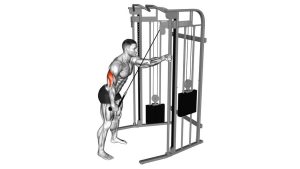
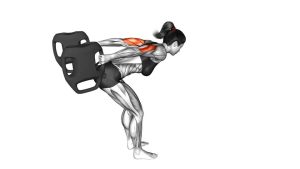
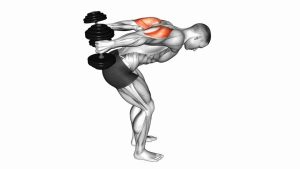
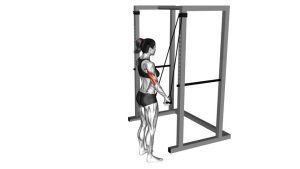
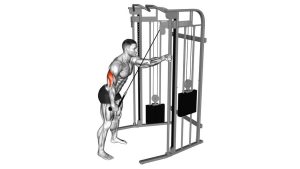
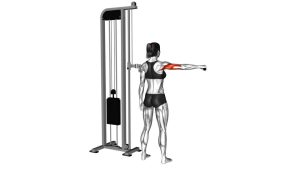
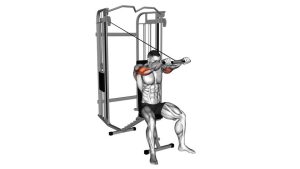
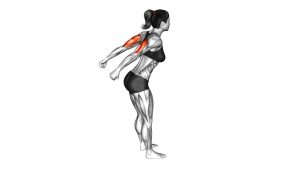
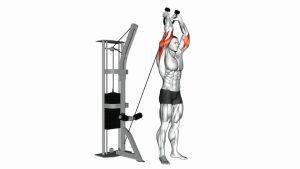
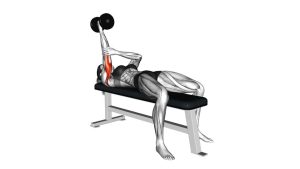
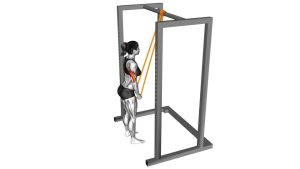
Elbow extension works best when you focus on a fixed upper arm, smooth tempo, and complete triceps contraction at the end of each rep. You should feel the effort mainly in the back of the upper arm, not in the shoulders, wrists, or lower back. Keep the movement controlled from start to finish and avoid rushing through the lockout.
Quick Overview
| Body Part | Triceps |
|---|---|
| Primary Muscle | Triceps brachii |
| Secondary Muscle | Anconeus, forearm stabilizers, shoulder stabilizers |
| Equipment | Cable machine, resistance band, or light external resistance |
| Difficulty | Beginner to Intermediate |
Sets & Reps (By Goal)
- Muscle growth: 3–4 sets × 8–15 reps with controlled tempo and full lockout
- Strength focus: 4–5 sets × 5–8 reps using heavier resistance with strict form
- Technique practice: 2–3 sets × 10–15 reps with light weight and pause at extension
- End-of-workout finisher: 2–3 sets × 12–20 reps for high-quality triceps burn
Progression rule: Add reps first, then increase resistance gradually. Only progress when you can keep the upper arm stable and complete every rep without swinging or shoulder compensation.
Setup / Starting Position
- Choose your setup: Use a cable machine, band, or similar resistance source that allows smooth elbow extension.
- Stand tall: Keep your chest up, core braced, and feet planted shoulder-width apart.
- Set the upper arm: Keep the upper arm close to the torso and avoid letting it drift forward or outward.
- Start with elbow flexion: Begin with the elbow bent and the forearm positioned so you can move through a comfortable range.
- Neutral wrist: Keep the wrist straight and grip firm but not overly tense.
Tip: Before starting the rep, think “pin the upper arm, move only the forearm” to improve isolation.
Execution (Step-by-Step)
- Brace and stabilize: Set your posture, tighten your core, and keep the shoulders down and back.
- Extend the elbow: Drive the forearm through the movement by straightening the arm until the elbow is fully or nearly fully extended.
- Squeeze the triceps: Pause briefly at the bottom or end range to maximize contraction.
- Return with control: Slowly bend the elbow and guide the forearm back to the starting position without losing tension.
- Repeat smoothly: Maintain the same path and tempo on every rep, keeping the upper arm fixed throughout.
Pro Tips & Common Mistakes
- Keep the upper arm still: The elbow is the main moving joint, not the shoulder.
- Use full but controlled range: Aim for a complete extension without slamming into lockout.
- Don’t rush the return: The eccentric phase helps build control and muscle tension.
- Avoid swinging: Momentum reduces triceps tension and shifts work away from the target muscle.
- Keep wrists neutral: Bent wrists can create unnecessary joint stress and reduce force transfer.
- Match the load to the form: Better isolation with moderate resistance beats sloppy reps with heavy weight.
FAQ
What muscle does the elbow extension work the most?
The main target is the triceps brachii, which is responsible for straightening the elbow. Secondary support comes from smaller stabilizers around the elbow, forearm, and shoulder.
Should I lock out fully on each rep?
You should aim for a full or near-full extension to train the triceps effectively, but avoid snapping aggressively into lockout. The finish should be controlled, not forceful.
Why do I feel elbow extensions in my shoulders?
That usually happens when the upper arm moves too much, the weight is too heavy, or the shoulders are shrugging. Stabilize the upper arm, reduce the load, and focus on elbow-only movement.
Is elbow extension good for building bigger arms?
Yes. Since the triceps make up a large portion of upper-arm mass, elbow extension variations are excellent for improving arm size, definition, and pressing strength.
Can beginners do elbow extensions?
Absolutely. Beginners should start with lighter resistance and prioritize control, smooth tempo, and upper-arm stability before increasing the load.
Recommended Equipment
- Tricep Rope Cable Attachment — ideal for cable-based elbow extension variations and strong peak triceps contraction
- Straight Bar Cable Attachment — useful for strict pressdown and elbow extension work with a stable grip
- Resistance Bands Set — a versatile option for home-based elbow extension training and warm-ups
- Elbow Sleeves for Weightlifting — provides warmth and compression support during repeated arm training sessions
- Home Cable Pulley System — helps recreate cable-style triceps work if you train at home
Tip: Choose equipment that allows smooth resistance and stable arm positioning. Better control usually leads to better triceps activation.