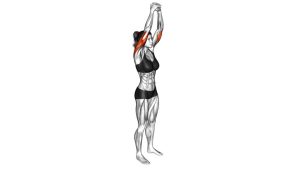
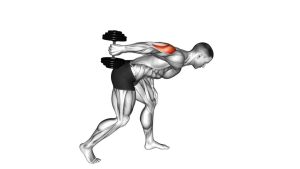
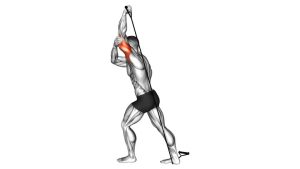
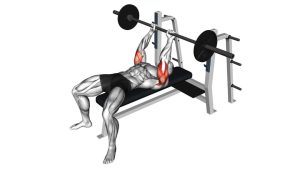
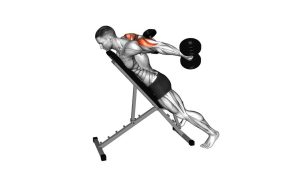
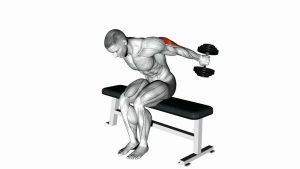
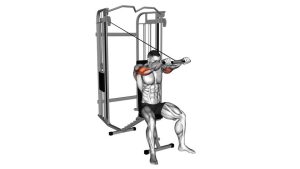
Lever Triceps Extension: Proper Form, Sets, Tips & FAQ
Learn the Lever Triceps Extension for stronger, more defined upper arms. Discover proper form, setup, step-by-step execution, sets by goal, common mistakes, FAQs, and recommended equipment.
Lever Triceps Extension
This exercise works best when the motion stays centered at the elbow joint. Your upper arms should remain relatively fixed while your forearms drive the handles through the range of motion. You should feel the triceps doing most of the work, especially near full extension, without shoulder swinging, torso rocking, or wrist collapse.
Quick Overview
| Body Part | Triceps |
|---|---|
| Primary Muscle | Triceps brachii |
| Secondary Muscle | Forearm stabilizers, anterior deltoids (minimal stabilization) |
| Equipment | Lever triceps extension machine |
| Difficulty | Beginner to Intermediate |
Sets & Reps (By Goal)
- Muscle growth: 3–4 sets × 8–15 reps, resting 60–90 seconds
- Strength focus: 4–5 sets × 6–8 reps, resting 90–120 seconds
- Technique and control: 2–3 sets × 10–15 reps with slow tempo, resting 45–75 seconds
- Finisher / pump work: 2–3 sets × 12–20 reps, short 30–45 second rest
Progression rule: First improve rep quality and range of motion, then add reps, then increase the load. Keep the elbows stable and the eccentric controlled before moving heavier.
Setup / Starting Position
- Adjust the machine: Set the seat so the elbows line up closely with the machine’s pivot point.
- Sit tall: Place your back against the pad and keep both feet flat on the floor.
- Grip the handles: Use a firm but relaxed grip with neutral wrists.
- Position the arms: Keep the elbows tucked and the upper arms steady near the torso.
- Start under control: Begin with the elbows bent and tension already on the triceps.
Tip: Good machine alignment matters. If the pivot and your elbows do not match well, the movement may feel awkward on the joints.
Execution (Step-by-Step)
- Brace and stay tall: Keep your chest up, core lightly engaged, and shoulders down.
- Extend the elbows: Press the handles through the working arc by straightening the arms.
- Keep the upper arms still: Let the forearms move while avoiding shoulder swing or torso rocking.
- Squeeze at the bottom: Reach near full extension and contract the triceps hard without jamming the elbows.
- Lower with control: Return slowly to the starting position, keeping tension on the muscle.
- Repeat smoothly: Perform each rep with the same path, tempo, and elbow position.
Pro Tips & Common Mistakes
- Keep the elbows fixed: The movement should come from elbow extension, not shoulder motion.
- Don’t rush the eccentric: Lowering slowly increases tension and improves control.
- Avoid elbow flare: Letting the elbows drift too far outward can reduce triceps isolation.
- Use full working range: Partial reps limit the contraction and the stretch.
- Don’t slam the stack or lever: Smooth transitions protect the joints and maintain tension.
- Keep wrists neutral: Bent wrists can create unnecessary strain and reduce pressing efficiency.
- Match load to form: Too much weight usually shows up as swinging, bouncing, or shortened reps.
FAQ
What muscles does the lever triceps extension work?
The main target is the triceps brachii. The forearms and shoulders help stabilize, but the triceps should do most of the work during the pressing phase.
Is the lever triceps extension good for beginners?
Yes. Machines provide a guided path, which makes it easier for beginners to learn triceps isolation without worrying as much about balance and coordination.
Should I fully lock out my elbows?
Aim for near full extension and a strong squeeze, but do not force a harsh lockout. The goal is tension on the triceps, not joint stress.
Where should I feel this exercise?
You should feel it mainly in the back of the upper arms. If you feel more strain in the shoulders, wrists, or elbows than in the triceps, check your machine setup and reduce the load.
Can I use this instead of cable pushdowns or skull crushers?
Yes. The lever triceps extension is a strong machine-based alternative for building the triceps. It can work well alongside pushdowns, overhead extensions, and free-weight triceps exercises in a balanced arm program.
Recommended Equipment
- Weightlifting Gloves — improve grip comfort and reduce hand fatigue on machine handles
- Elbow Sleeves for Weightlifting — useful for warmth, joint support, and comfort during pressing movements
- Resistance Bands Set — great for triceps warm-ups, pushdowns, and high-rep accessory work
- Gym Log Book — helps track load, reps, tempo, and progression over time
- Foam Roller — useful for general upper-body recovery and soft-tissue work between sessions
Tip: Accessories should support better training quality, not replace good technique, smart loading, and recovery.