Elevated Cycling Exercise: Core Form, Benefits, Sets, Tips & FAQ
Learn Elevated Cycling for stronger abs, hip flexors, and core control. Step-by-step form, sets by goal, common mistakes, FAQs, and equipment tips.
Elevated Cycling
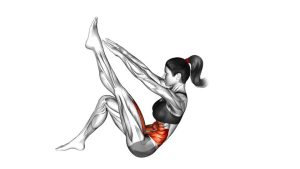
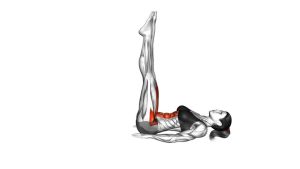
This exercise works best when the legs move with rhythm while the core keeps the pelvis stable. Because the feet stay elevated, the abs must resist lower-back arching as the hips and knees cycle. Additionally, the movement builds coordination, endurance, and control without needing equipment.
Quick Overview
| Body Part | Core |
|---|---|
| Primary Muscle | Rectus abdominis |
| Secondary Muscle | Hip flexors, transverse abdominis, obliques, quadriceps |
| Equipment | No equipment required |
| Difficulty | Beginner to Intermediate |
Sets & Reps (By Goal)
- Core endurance: 2–4 sets × 20–40 seconds
- Beginner control: 2–3 sets × 8–12 cycles per side
- Ab finisher: 3–5 sets × 30–45 seconds with short rest
- Warm-up activation: 1–2 sets × 15–20 controlled cycles
Progression rule: First improve control and breathing. Then extend the legs slightly lower, increase time, or slow the tempo to make each repetition more demanding.
Setup / Starting Position
- Lie on your back: Start flat on the floor with your torso stable and your head relaxed.
- Lift the legs: Bring both legs off the ground with the knees bent.
- Brace your core: Keep the ribs controlled and avoid letting the lower back arch excessively.
- Set your arms: Keep the arms relaxed near the sides for balance.
- Prepare the rhythm: One leg should be ready to extend as the opposite knee pulls inward.
Execution (Step-by-Step)
- Start elevated: Keep both feet off the floor and maintain a steady core brace.
- Extend one leg: Move one leg outward while the opposite knee bends toward the torso.
- Switch sides: Pull the extended leg back in as the other leg extends outward.
- Cycle smoothly: Continue alternating the legs in a controlled pedaling motion.
- Control the hips: Keep the pelvis steady and avoid rocking from side to side.
- Breathe steadily: Exhale through effort and avoid holding your breath.
Pro Tips & Common Mistakes
- Keep the movement smooth: Avoid rushing the cycling pattern or kicking aggressively.
- Do not drop the legs too low: If your lower back arches, raise the leg path higher.
- Stay controlled through the hips: The legs move, but the pelvis should remain steady.
- Avoid neck tension: Keep the head and shoulders relaxed unless your version intentionally uses a small upper-body lift.
- Do not lock the knees hard: Extend the legs with control, not with forceful snapping.
- Use a steady tempo: A slower pace often trains the abs better than fast, loose reps.
FAQ
What muscles does Elevated Cycling work?
Elevated Cycling primarily trains the abs, especially the rectus abdominis. Additionally, the hip flexors, transverse abdominis, obliques, and quadriceps assist as the legs alternate in the air.
Is Elevated Cycling the same as a bicycle crunch?
No. A bicycle crunch usually includes torso rotation and elbow-to-knee movement. However, Elevated Cycling focuses on the legs moving in a cycling pattern while the torso stays mostly steady.
Should my lower back stay on the floor?
Ideally, your lower back should stay controlled and close to the floor. If it arches strongly, shorten the range, raise your legs higher, or perform fewer reps.
Is this exercise good for beginners?
Yes, but beginners should use a small range of motion and a slower tempo. As control improves, you can gradually increase the duration or lower the leg extension angle.
How can I make Elevated Cycling harder?
You can slow the tempo, extend the legs lower, increase the set duration, or add a light ankle weight. However, only progress when your lower back stays stable.
Recommended Equipment
- Exercise Mat — adds comfort and support for floor-based core training
- Thick Yoga Mat — useful if your lower back or hips need extra cushioning
- Adjustable Ankle Weights — optional progression for advanced users with strong core control
- Core Sliders — useful for related ab drills and controlled lower-body movements
- Foam Roller — helpful for warm-ups, mobility, and recovery after core sessions
Tip: Equipment is optional. For this exercise, body control matters more than resistance.