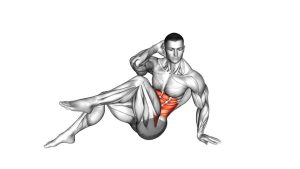
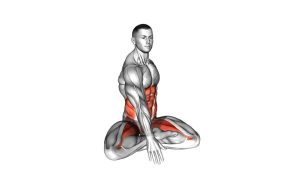
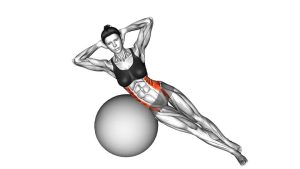
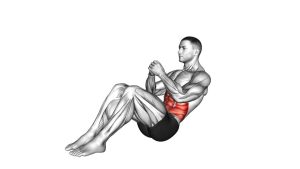
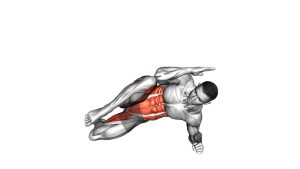
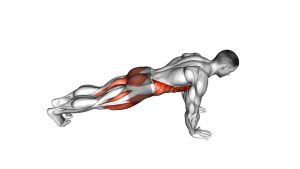
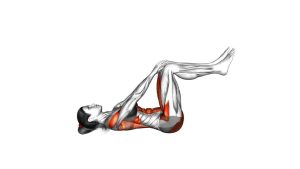
Standing Side Bend Bent-Arm: Oblique Exercise Guide
Learn the Standing Side Bend Bent-Arm exercise for oblique activation, lateral core control, posture, sets, form tips, FAQs, and equipment.
Standing Side Bend (Bent-Arm)
This exercise works best when the body moves sideways without twisting forward or leaning backward. Because the movement is done standing, it also builds body awareness, posture control, and gentle lateral core mobility. Moreover, the bent-arm style makes the exercise easy to perform without weights, which makes it useful for warm-ups, beginner core training, and low-impact oblique activation.
Quick Overview
| Body Part | Core |
|---|---|
| Primary Muscle | Obliques |
| Secondary Muscle | Quadratus lumborum, transverse abdominis, spinal stabilizers |
| Equipment | None |
| Difficulty | Beginner |
Sets & Reps (By Goal)
- Beginner control: 2–3 sets × 8–10 reps per side, using a slow and smooth tempo.
- Core activation: 3 sets × 10–15 reps per side, resting 30–45 seconds between sets.
- Warm-up mobility: 1–2 sets × 8–12 reps per side before core or full-body training.
- Endurance focus: 2–4 sets × 12–20 reps per side, keeping every repetition controlled.
Progression rule: First improve control and range quality. After that, add more reps or a slower tempo before adding external resistance.
Setup / Starting Position
- Stand tall: Place your feet about shoulder-width apart and keep your body balanced.
- Set your posture: Keep your chest open, spine tall, and head facing forward.
- Relax your lower body: Keep the knees soft, but do not squat or bounce.
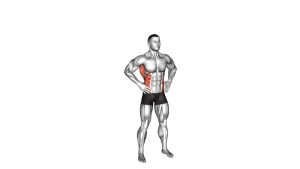
- Prepare the arm position: Raise one arm overhead with the elbow slightly bent, as shown in the movement.
- Brace lightly: Keep the core active enough to control the bend without stiffening the whole body.
Tip: The hips should remain mostly centered. Therefore, think about bending through the side of the waist rather than pushing the hips far away.
Execution (Step-by-Step)
- Start from neutral: Stand upright with the spine long and the shoulders relaxed.
- Lift one arm: Bring one arm overhead with a slight bend at the elbow.
- Bend to the opposite side: Slowly lean your torso sideways while keeping the movement smooth and controlled.
- Reach the peak position: Stop when you feel a comfortable side stretch and oblique engagement.
- Avoid twisting: Keep your chest facing forward instead of rotating the torso.
- Return to center: Use your obliques to bring the torso back to a tall standing position.
- Repeat on the other side: Switch arms and perform the same controlled side bend in the opposite direction.
Pro Tips & Common Mistakes
- Move sideways, not forward: Keep the torso bending laterally so the obliques do the work.
- Keep the hips stable: Do not exaggerate the movement by shifting the hips too far to one side.
- Control the return: The return to upright is just as important as the bend.
- Avoid momentum: Do not swing the arm or bounce through the range.
- Keep your shoulders relaxed: The raised arm should guide the movement, not create neck tension.
- Use a comfortable range: A smaller controlled bend is better than a large sloppy bend.
- Breathe naturally: Exhale during the side bend and inhale as you return to center.
FAQ
What muscles does the Standing Side Bend (Bent-Arm) work?
The exercise mainly targets the obliques, especially during the side bend and the controlled return. It also involves the quadratus lumborum and deep core stabilizers to help manage posture.
Is the Standing Side Bend good for beginners?
Yes. Because it uses bodyweight only and has a simple standing setup, it is beginner-friendly. However, beginners should use a slow tempo and avoid bending too far.
Should I use weights for this exercise?
The video shows a no-equipment version. Therefore, master the bodyweight version first. Once your form is consistent, you can progress with light resistance if your goal requires it.
Why do I feel this in my lower back?
A mild side-waist feeling can be normal. However, sharp lower-back discomfort may mean you are bending too far, twisting, or using momentum. Reduce the range and keep the hips more stable.
How often can I do Standing Side Bends?
You can include them 2–4 times per week as part of a core routine or warm-up. For light mobility work, you may use fewer sets more frequently, as long as the movement feels comfortable.
Recommended Equipment (Optional)
- Exercise Mat — useful for warm-ups, stretching, and floor-based core exercises after standing work
- Resistance Bands Set — helpful for adding light core and oblique resistance progressions
- Light Dumbbells Set — optional for advanced side bend variations after bodyweight form is mastered
- Core Sliders — useful for building additional oblique and anti-rotation core strength
- Foam Roller — helpful for general mobility work before or after core training
Tip: Equipment is optional for this exercise. Start with bodyweight first, then add tools only when control, posture, and comfort are consistent.