Standing Single-Leg Curl: Form, Hamstring Benefits, Sets & Tips
Learn the Standing Single-Leg Curl for hamstring activation, balance, and knee control. Includes form steps, sets, mistakes, FAQs, and equipment.
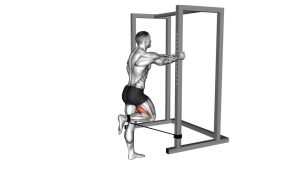
Standing Single-Leg Curl
This exercise is useful for beginners, warm-ups, home workouts, and lower-body activation sessions. It teaches you how to isolate the hamstrings without a machine, while also improving single-leg stability and body control. Keep the movement slow, keep the thigh mostly vertical, and avoid kicking or using momentum.
Quick Overview
| Body Part | Hamstrings |
|---|---|
| Primary Muscle | Hamstrings — biceps femoris, semitendinosus, semimembranosus |
| Secondary Muscle | Calves, glutes, core stabilizers, standing-leg hip stabilizers |
| Equipment | No equipment required; wall, chair, or rail optional for balance |
| Difficulty | Beginner |
Sets & Reps (By Goal)
- Beginner control: 2–3 sets × 8–12 reps per leg with slow, clean reps.
- Hamstring activation: 2–4 sets × 10–15 reps per leg before lower-body training.
- Balance and stability: 2–3 sets × 8–10 reps per leg with a 1–2 second top hold.
- Muscle endurance: 3–4 sets × 15–20 reps per leg using smooth tempo.
Progression rule: First improve control and top-position squeeze. Then increase reps, add a pause, use ankle weights, or perform the movement without hand support.
Setup / Starting Position
- Stand tall: Face a wall, chair, or stable surface and place your hands lightly on it for balance.
- Set your feet: Keep both feet about hip-width apart with your toes pointing forward.
- Shift your weight: Move your body weight onto the standing leg while keeping the knee slightly soft.
- Brace gently: Keep your ribs stacked over your hips and your core lightly active.
- Prepare the working leg: Let the working leg start straight under the hip before curling.
Execution (Step-by-Step)
- Start from a tall posture: Keep your chest lifted, shoulders relaxed, and eyes forward.
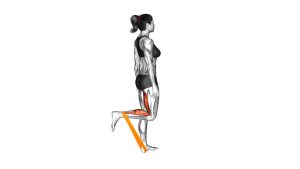
- Bend one knee: Curl the working heel upward toward your glutes.
- Keep the thigh controlled: Avoid letting the knee swing far forward or backward.
- Squeeze at the top: Pause briefly when the heel reaches its highest comfortable point.
- Lower slowly: Extend the knee with control until the foot returns near the floor.
- Repeat evenly: Complete all reps on one side, then switch legs.
Pro Tips & Common Mistakes
- Do not swing: Momentum reduces hamstring tension and turns the exercise into a loose leg swing.
- Keep the hips quiet: Avoid pushing the hip forward or arching the lower back as the heel rises.
- Use light wall support: Your hands should help with balance, not carry your body weight.
- Control the lowering phase: The eccentric portion is important for hamstring strength and control.
- Point the knee down: Keep the working knee generally under the hip instead of letting it drift forward.
- Add a top squeeze: A short pause improves mind-muscle connection and makes the exercise harder without extra equipment.
FAQ
What muscles does the Standing Single-Leg Curl work?
It mainly works the hamstrings, especially through knee flexion. The standing leg, glutes, calves, and core also help stabilize the body.
Is the Standing Single-Leg Curl good for beginners?
Yes. It is beginner-friendly because it uses bodyweight resistance and can be performed with wall support for balance.
Should I feel this exercise in my glutes or hamstrings?
You should feel it mostly in the back of the working thigh. Some glute and calf activity may happen for stability, but the main target is the hamstrings.
How can I make the exercise harder?
Add a longer top hold, slow the lowering phase, use ankle weights, or perform the movement without holding the wall.
Can this replace a machine leg curl?
It can be a useful bodyweight alternative, especially for beginners and home training. For heavier hamstring loading, machine curls, dumbbell leg curls, or resistance band curls may provide more resistance.
Recommended Equipment (Optional)
- Ankle Weights — add light resistance once bodyweight reps feel easy.
- Resistance Bands with Ankle Straps — useful for progressing standing hamstring curls with band tension.
- Exercise Mat — provides a stable, comfortable training area for warm-ups and floor-based hamstring work.
- Balance Pad — adds stability challenge for advanced single-leg control.
- Stable Support Bar / Rail — helps maintain balance while keeping the movement controlled.
Tip: Start with bodyweight first. Add resistance only when you can curl and lower the leg without swinging, leaning, or losing balance.