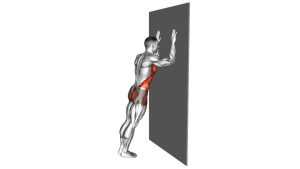
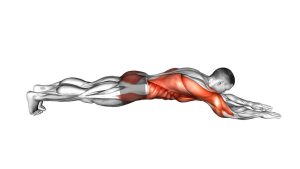
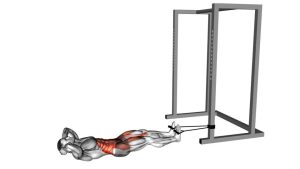
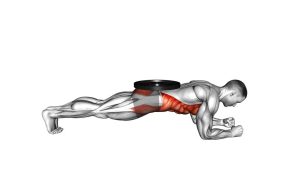
Iron Cross Plank: Proper Form, Muscles Worked, Sets, Tips & FAQ
Learn how to do the Iron Cross Plank with proper form. Discover muscles worked, benefits, sets and reps by goal, common mistakes, FAQs, and recommended equipment for better core and shoulder stability.
Iron Cross Plank
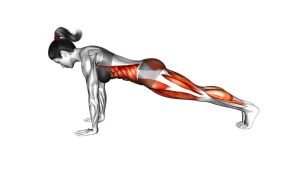
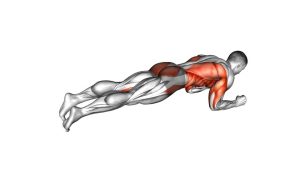
This exercise is best used as an advanced isometric hold for building anti-extension control, shoulder integrity, and bodyweight strength. Because the arm position creates a longer lever and a more demanding support angle, the Iron Cross Plank is much more difficult than a standard high plank. Focus on creating full-body tension rather than simply “holding” the position passively.
Quick Overview
| Body Part | Core |
|---|---|
| Primary Muscle | Rectus abdominis, transverse abdominis, obliques |
| Secondary Muscle | Pectorals, anterior deltoids, serratus anterior, triceps, glutes, quadriceps |
| Equipment | Bodyweight only |
| Difficulty | Advanced |
Sets & Reps (By Goal)
- Core stability: 3–4 sets × 15–30 second holds, 45–75 sec rest
- Bodyweight strength: 3–5 sets × 10–25 second holds, 60–90 sec rest
- Conditioning finisher: 2–3 sets × 20–40 second holds, 45–60 sec rest
- Skill/control practice: 2–4 sets × 8–15 second holds with perfect form
Progression rule: Add hold time first, then reduce foot width or increase total sets only if you can keep the torso rigid, shoulders stable, and hips level from start to finish.
Setup / Starting Position
- Start in a high plank: Place your hands on the floor and extend your legs behind you.
- Move the hands wide: Set the hands much wider than shoulder width, creating an “iron cross” style position.
- Set the feet: Keep the feet about hip-width apart or slightly wider for better balance.
- Brace the trunk: Tighten the abs, glutes, and quads to form one straight line from head to heels.
- Pack the shoulders: Push the floor away slightly so the upper back stays active and stable.
- Keep a neutral neck: Look down between the hands without craning the head up.
Tip: If this position feels too aggressive on the shoulders, shorten the hold time or use a slightly narrower hand position.
Execution (Step-by-Step)
- Establish full-body tension: Squeeze the glutes, tighten the core, and drive the legs back.
- Press into the floor: Keep the elbows straight and actively support yourself through the hands and shoulders.
- Hold the body rigid: Maintain a flat torso without letting the hips sag or pike upward.
- Stay square: Prevent the chest, pelvis, and ribs from rotating as you hold the position.
- Breathe under tension: Take short controlled breaths while keeping the midsection braced.
- Finish with control: Lower the knees or step out of the plank only after the hold is complete.
Pro Tips & Common Mistakes
- Push the floor away: This helps activate the serratus anterior and improves shoulder stability.
- Brace before the hold begins: Do not wait until your hips start dropping to tighten the core.
- Keep the ribs down: Flaring the ribs usually leads to low-back extension and loss of tension.
- Do not shrug the shoulders: Keep the neck long and avoid collapsing into the upper traps.
- Use quality over time: A clean 15-second hold is better than a sloppy 40-second hold.
- Avoid overly wide progression too soon: Very wide arms increase stress on the shoulders quickly.
- Do not let the hips rotate: The pelvis should stay level throughout the hold.
FAQ
What muscles does the Iron Cross Plank work most?
It mainly trains the core, especially the abdominals and obliques, while heavily challenging the shoulders, chest, serratus anterior, triceps, glutes, and quads as stabilizers.
Is the Iron Cross Plank harder than a regular plank?
Yes. The wider hand position creates a longer lever and significantly increases the demand on your shoulder stability, chest tension, and anti-extension core strength.
How long should I hold the Iron Cross Plank?
Most lifters do best with 10 to 30 seconds per set. The ideal hold length depends on whether your goal is strength, control, or conditioning, but the position should stay clean the entire time.
Who should avoid this exercise?
People with current shoulder instability, painful wrists, or poor control in a standard plank should master easier plank variations first before attempting this advanced version.
What is a good regression for the Iron Cross Plank?
A standard high plank, plank shoulder taps, or a slightly wider-than-normal plank are good progressions to build the strength and control needed for the full Iron Cross Plank.
Recommended Equipment (Optional)
- Push-Up Bars / Parallettes — helpful for reducing wrist extension and improving upper-body stability work
- Exercise Mat — adds comfort for hands, feet, and floor-based core sessions
- Core Sliders — useful for progressing anti-extension core work and advanced plank variations
- Resistance Bands — useful for shoulder prep, serratus activation, and supportive accessory training
- Ab Wheel — strong carryover for anti-extension core strength and trunk stiffness
Tip: Optional equipment should support better positioning and progression, not replace good plank mechanics.