Landmine 180: Core Rotation Form, Muscles Worked, Sets, Tips & FAQ
Learn the Landmine 180 for powerful core rotation, oblique strength, and shoulder control. Includes setup, form, sets, mistakes, FAQs, and gear.
Landmine 180
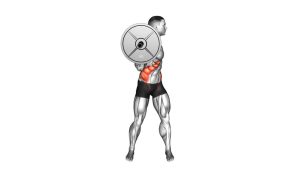
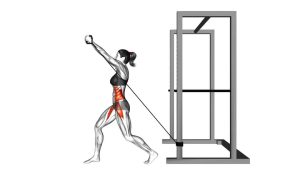
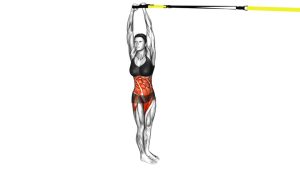
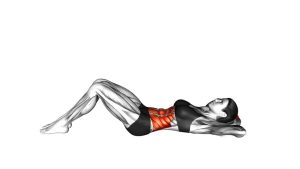
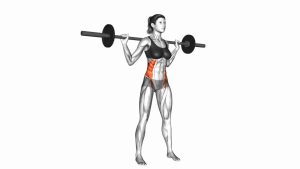
This exercise works best when the movement stays smooth, balanced, and connected. The bar should travel from one side of the body to the other in a controlled diagonal path. Meanwhile, the feet stay planted, the knees stay slightly bent, and the torso rotates without collapsing forward.
Because the Landmine 180 uses a loaded bar path, it should not feel like a loose arm swing. Instead, the core should control the turn, the shoulders should stay stable, and the hips should help the body rotate naturally.
Quick Overview
| Body Part | Obliques |
|---|---|
| Primary Muscle | Obliques |
| Secondary Muscle | Rectus abdominis, transverse abdominis, shoulders, lats, hips, glutes, and spinal stabilizers |
| Equipment | Barbell and landmine attachment or secure corner setup |
| Difficulty | Intermediate because it requires loaded rotation, bracing, and shoulder control |
Sets & Reps (By Goal)
- Technique practice: 2–3 sets × 6–8 reps per side using a light load and slow tempo.
- Core strength: 3–4 sets × 8–12 reps per side with controlled rotation and steady breathing.
- Athletic rotation: 3–5 sets × 6–10 reps per side with moderate load and crisp but controlled movement.
- Conditioning finisher: 2–3 sets × 12–16 total reps using a lighter load and consistent rhythm.
Progression rule: Add load only after you can keep the bar path smooth, your ribs controlled, and your lower back free from twisting strain.
Setup / Starting Position
- Anchor the barbell: Place one end of the barbell into a landmine attachment or a secure corner where it cannot slide.
- Stand facing the bar: Position your feet about shoulder-width apart with the bar end held in both hands.
- Grip the sleeve firmly: Stack both hands around the end of the bar and keep your wrists neutral.
- Brace your core: Keep your ribs down, chest tall, and pelvis controlled before the first rep begins.
- Set your base: Bend the knees slightly so the body can rotate without locking the legs.
- Start near center: Hold the bar in front of the chest or slightly off-center before guiding it into the first arc.
Tip: A wider stance can improve balance, while a lighter load can make the rotational path easier to learn.
Execution (Step-by-Step)
- Brace first: Tighten your midsection gently as if preparing to resist a twist.
- Guide the bar to one side: Rotate the torso and move the bar diagonally down toward the outside of one hip.
- Let the hips follow: Allow the hips and shoulders to turn together instead of forcing the spine to twist alone.
- Control the bottom position: Keep the knees soft and stop the bar before your posture collapses.
- Reverse smoothly: Pull the bar back across the body using the core, shoulders, and hips together.
- Pass through center: Keep the arms strong and the ribs down as the bar crosses the midline.
- Rotate to the opposite side: Continue the same arc toward the other hip while staying balanced.
- Repeat with rhythm: Move side to side under control without bouncing, rushing, or letting the bar pull you out of position.
Pro Tips & Common Mistakes
- Use the core, not just the arms: The hands guide the bar, but the trunk controls the rotation.
- Keep your ribs stacked: Avoid flaring the ribs or arching the lower back as the bar moves across the body.
- Rotate as one unit: Let the hips, torso, and shoulders turn together for safer power transfer.
- Do not over-twist: Stop each side before the lower back feels compressed or pulled.
- Control the descent: Lowering the bar too fast can turn the exercise into a swing instead of a strength drill.
- Stay grounded: Keep both feet planted and avoid shifting weight aggressively from side to side.
- Use a lighter start: Because the lever is long, even small weight increases can feel much harder.
- Protect the shoulders: Keep the shoulders packed and avoid shrugging as the bar travels overhead or across the body.
FAQ
What muscles does the Landmine 180 work?
The Landmine 180 mainly targets the obliques. However, it also trains the rectus abdominis, transverse abdominis, shoulders, lats, hips, glutes, and spinal stabilizers because the body must rotate and brace at the same time.
Is the Landmine 180 good for abs?
Yes. It is especially useful for training the abs through rotation and anti-rotation. Unlike basic crunches, it teaches the core to transfer force while the body is standing.
Should beginners do the Landmine 180?
Beginners can learn the pattern with a very light bar or no added plates. However, they should first understand bracing, hip rotation, and shoulder control before using heavier loads.
Why does my lower back hurt during Landmine 180s?
Lower-back discomfort often happens when the body twists too far, the ribs flare, or the bar is too heavy. Therefore, reduce the range, slow the tempo, and focus on rotating through the hips and upper body together.
How heavy should I go on Landmine 180s?
Use a load that allows smooth control on both sides. In most cases, lighter to moderate weight works better than heavy weight because the long bar path already creates a strong challenge.
Is the Landmine 180 the same as a landmine twist?
The names are often used similarly. However, Landmine 180 usually emphasizes a larger side-to-side arc, while landmine twist can describe several rotational barbell variations.
Recommended Equipment
- Barbell Landmine Attachment — provides a stable anchor point for safer landmine rotations.
- Olympic Barbell — the main tool needed for landmine 180s and other barbell landmine exercises.
- Olympic Weight Plates — allows gradual loading once your form stays controlled.
- Barbell Collars / Clips — keeps plates secure during rotational movement.
- Gym Floor Mat — helps protect the floor and improves setup stability if training at home.
Tip: For home training, a secure landmine base is usually safer and cleaner than placing the barbell directly into a wall corner.