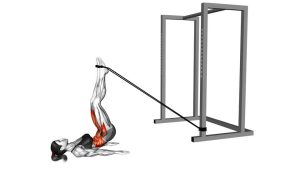
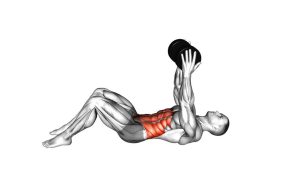
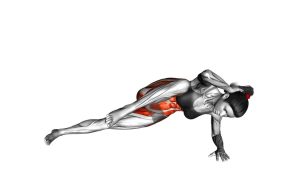
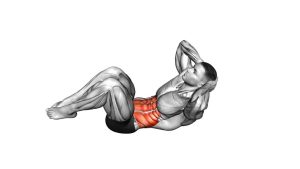
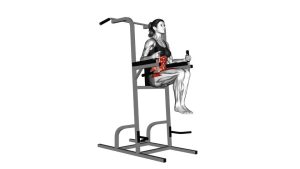
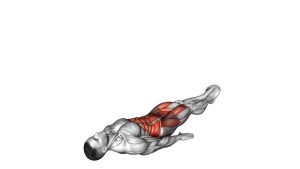
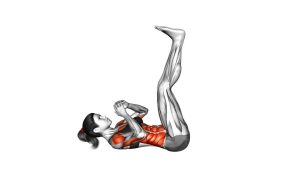
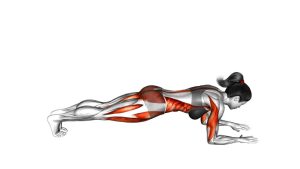
Barbell Seated Alternate Leg Raise: Core Form, Sets, Tips & FAQ
Learn the Barbell Seated Alternate Leg Raise for stronger abs, hip flexors, and core control with step-by-step form, sets, tips, FAQs, and equipment.
Barbell Seated Alternate Leg Raise
This exercise works best when every repetition looks calm and controlled. Although the legs are moving, the torso should remain tall, the shoulders should stay relaxed, and the barbell should not bounce or twist. In addition, the lower back should stay supported by active abdominal bracing rather than excessive leaning. When performed correctly, the movement builds better hip flexor strength, lower-ab control, seated posture, and coordination between the trunk and legs.
Quick Overview
| Body Part | Abs |
|---|---|
| Primary Muscle | Rectus abdominis, lower abs, and hip flexors |
| Secondary Muscle | Obliques, transverse abdominis, quadriceps, spinal stabilizers, and shoulder stabilizers |
| Equipment | Barbell, exercise mat, and optional light weight plates |
| Difficulty | Beginner to Intermediate depending on barbell load and leg height |
Sets & Reps (By Goal)
- Core control: 2–3 sets of 8–12 reps per leg using a slow and steady tempo.
- Hip flexor strength: 3–4 sets of 10–15 reps per leg with a brief pause at the top.
- Core endurance: 2–4 sets of 30–45 seconds while alternating legs continuously.
- Warm-up activation: 1–2 sets of 6–10 reps per leg before lower-body or core training.
- Technique practice: 2 sets of 6–8 reps per side with a very light barbell and perfect posture.
Progression rule: First improve posture, rhythm, and range of motion. Then add time under tension or slightly increase barbell load. However, do not add weight if your back rounds, your shoulders tense, or your legs start swinging.
Setup / Starting Position
- Sit tall on the floor: Extend both legs forward and keep your heels lightly touching the ground.
- Place the barbell securely: Hold the barbell across the upper back, shoulders, or front rack area depending on comfort and mobility.
- Grip evenly: Keep both hands balanced on the bar so the shoulders do not rotate or tilt.
- Brace the core: Pull the ribs down slightly and create light abdominal tension before lifting either leg.
- Set the posture: Keep the chest lifted, spine long, chin neutral, and shoulders relaxed.
- Prepare the legs: Keep the knees mostly straight but not locked. A small knee bend is acceptable if it helps control the movement.
- Find your range: Choose a leg height that allows you to lift without swinging or leaning backward.
A controlled starting position is important because the barbell can encourage compensation. Therefore, begin with a light load and treat the bar as a stability tool rather than a heavy resistance exercise.
Execution (Step-by-Step)
- Brace before moving: Tighten your abs gently and keep your torso upright before the first lift.
- Lift one leg: Raise one leg a few inches off the floor by pulling from the hip flexor while keeping the knee controlled.
- Hold the torso still: Keep the barbell steady and avoid leaning backward as the leg rises.
- Pause briefly: Hold the top position for a moment while keeping the foot controlled and the abs engaged.
- Lower slowly: Return the leg toward the floor without dropping it or relaxing the core.
- Switch sides: Lift the opposite leg with the same height, speed, and control.
- Continue alternating: Move in a smooth left-right rhythm while keeping the upper body quiet.
- Finish with control: Stop the set before form breaks, then lower both legs and release tension gradually.
Pro Tips & Common Mistakes
- Keep the movement small at first: A lower leg raise with perfect control is better than a high lift with momentum.
- Do not swing the legs: Swinging reduces abdominal tension and turns the exercise into a hip-flexor momentum drill.
- Avoid leaning backward: If your torso falls back during each lift, reduce the height or remove the barbell.
- Keep the barbell stable: The bar should not roll, bounce, or twist from side to side.
- Control both legs: The grounded leg should stay long and steady while the working leg lifts.
- Do not lock the knees aggressively: Keep the legs firm, but avoid forcing a hard knee lock that creates hip tension.
- Breathe through the set: Exhale lightly as each leg lifts, then inhale as it lowers.
- Use your abs before your hip flexors: Brace first so the hips can move without pulling the lower back out of position.
- Match both sides: Keep the same range and tempo on the left and right leg for balanced control.
- Stop before compensation: End the set when your posture changes, not only when your muscles feel tired.
FAQ
What muscles does the Barbell Seated Alternate Leg Raise work?
The exercise mainly works the abs and hip flexors. In addition, the obliques, deep core muscles, quadriceps, and spinal stabilizers help keep the torso upright while the legs alternate.
Is this exercise good for lower abs?
Yes, it can be useful for lower-ab control because the abs must stabilize the pelvis while each leg lifts. However, the hip flexors also work strongly. Therefore, focus on bracing the core and preventing the lower back from arching.
Should I use a heavy barbell?
No. Start with an empty barbell or very light load. The barbell is mainly used to increase postural demand and stability, not to make the exercise maximally heavy.
Why do my hip flexors cramp during seated leg raises?
Hip flexor cramping can happen when the range is too large, the tempo is too fast, or the core is not braced enough. Reduce the leg height, bend the knees slightly, and take longer rest between sets.
How can I make the exercise easier?
Remove the barbell, bend the knees slightly, place your hands behind you for support, or lift each leg only a few inches. Once control improves, return to the barbell version.
How can I make the exercise harder?
Increase the pause at the top, slow the lowering phase, keep the legs straighter, or use a slightly heavier barbell. However, only progress when your torso stays stable.
Is the Barbell Seated Alternate Leg Raise beginner-friendly?
It can be beginner-friendly if the barbell is light and the range of motion is controlled. Still, complete beginners may want to master the bodyweight seated alternate leg raise first.
Recommended Equipment
- Standard Barbell — useful for adding posture resistance and stability challenge during seated core work.
- Olympic Barbell — a strong option for gyms and advanced setups when controlled loading is needed.
- Thick Exercise Mat — improves comfort while sitting and helps protect the tailbone during floor-based core exercises.
- Barbell Pad — adds comfort if the barbell rests across the shoulders or upper back.
- Adjustable Ankle Weights — optional progression tool for advanced users who can maintain clean control.
Tip: Choose equipment that helps you control the movement better. If a tool makes your lower back strain, your torso rock, or your hip flexors cramp, reduce the load or return to the bodyweight version.