Lying Ab Hold: Proper Form, Core Benefits, Sets, Tips & FAQ
Learn the Lying Ab Hold to build core endurance, abdominal control, and anti-extension strength with safe form, sets, tips, FAQs, and gear.
Lying Ab Hold
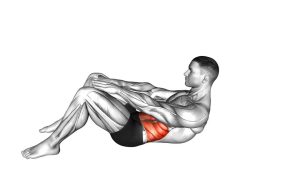
This exercise works best when the lower back stays gently pressed toward the floor, the ribs stay down, and the legs remain controlled. Moreover, the movement should feel like a strong abdominal brace rather than a strain in the neck or lower back. For that reason, beginners should start with a higher leg angle or bent knees before progressing to a lower, straighter-leg position.
Quick Overview
| Body Part | Core |
|---|---|
| Primary Muscle | Rectus abdominis |
| Secondary Muscle | Transverse abdominis, obliques, hip flexors, quadriceps |
| Equipment | None; optional exercise mat for comfort |
| Difficulty | Beginner to intermediate, depending on leg angle and hold duration |
Sets & Reps (By Goal)
- Beginner core control: 2–3 sets × 10–20 second holds, with 45–60 seconds rest
- Core endurance: 3–4 sets × 20–40 second holds, with 45–75 seconds rest
- Strength-focused core training: 3–5 sets × 15–30 second hard holds, with 60–90 seconds rest
- Warm-up activation: 1–2 sets × 10–20 second holds before planks, leg raises, or compound lifts
- Advanced hollow-body progression: 4–5 sets × 30–45 second holds while keeping the legs lower and straighter
Progression rule: First increase control, then increase time. After that, lower the legs slightly or extend the arms farther from the body to make the hold more challenging.
Setup / Starting Position
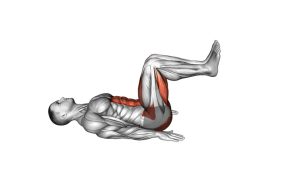
- Lie on your back: Use a flat surface and place your body in a straight line from head to heels.
- Set your ribs: Gently pull the ribs down toward the pelvis so the front of your core feels braced.
- Position the arms: Keep the arms close to your sides with palms facing down, or slightly lift them off the floor for more challenge.
- Lift the shoulders: Raise the shoulder blades slightly while keeping the neck long and relaxed.
- Raise the legs: Extend both legs together and lift them to a height where your lower back can stay controlled.
- Brace before holding: Exhale gently, tighten the abs, and prepare to maintain a still position.
If your lower back lifts from the floor, bend the knees or raise the legs higher. As a result, you will keep tension on the abs without overloading the lumbar spine.
Execution (Step-by-Step)
- Brace the core: Exhale lightly and pull the ribs down so the abs tighten before the hold begins.
- Lift into position: Raise the shoulders and legs while keeping the lower back gently pressed toward the floor.
- Hold steady: Keep the legs straight, feet together, and arms controlled beside the body.
- Breathe with control: Take small, steady breaths without letting the ribs flare upward.
- Maintain alignment: Keep the chin slightly tucked, the neck relaxed, and the eyes looking forward or slightly upward.
- Finish cleanly: Lower the shoulders and legs slowly once you can no longer hold the position with proper form.
Pro Tips & Common Mistakes
- Keep the lower back controlled: Do not let the back arch away from the floor, because this reduces abdominal tension and increases lumbar stress.
- Start with a manageable leg angle: Higher legs are easier, while lower legs are harder. Therefore, choose the lowest angle you can control safely.
- Avoid holding your breath: Instead, use short controlled breaths to keep tension without unnecessary pressure.
- Do not pull the head forward: The shoulders should lift from the upper abs, not from neck strain.
- Keep the legs together: Squeezing the legs lightly helps create full-body tension and improves control.
- Stop before form breaks: Ending early with good alignment is better than forcing extra seconds with an arched back.
- Use regressions when needed: Bent-knee holds, higher-leg holds, or alternating one-leg holds can help build strength gradually.
- Progress slowly: Once the standard hold feels stable, extend the arms overhead or lower the legs slightly for a stronger challenge.
FAQ
What is the Lying Ab Hold good for?
The Lying Ab Hold is useful for building core endurance, abdominal bracing strength, and anti-extension control. Additionally, it teaches the body to keep the ribs and pelvis connected during challenging core positions.
Is the Lying Ab Hold the same as a Hollow Body Hold?
It is very similar to a Hollow Body Hold. However, the Lying Ab Hold is often performed with the arms beside the body, which makes it slightly easier and more beginner-friendly than the full overhead hollow-body variation.
Where should I feel this exercise?
You should feel strong tension through the front of the abs, especially the rectus abdominis. You may also feel the hip flexors working, but the lower back should not feel strained.
Why does my lower back arch during the hold?
Your lower back may arch because the legs are too low, the hold is too long, or the abs are not braced enough. To fix this, raise the legs higher, bend the knees, and focus on keeping the ribs down.
How long should I hold the Lying Ab Hold?
Most beginners should start with 10–20 seconds per set. Over time, you can build toward 30–45 seconds as long as your lower back stays controlled and your breathing remains steady.
Can beginners do the Lying Ab Hold?
Yes, beginners can do it when the exercise is scaled properly. For example, bending the knees or keeping the legs higher makes the hold easier while still training the core effectively.
Should I do this exercise every day?
You can practice it often at low volume, especially for core control. Nevertheless, harder sets should be spaced out so the abs, hip flexors, and lower back can recover properly.
Recommended Equipment (Optional)
- Exercise Mat — adds comfort and support during floor-based core training
- Core Sliders — useful for progressing into dynamic ab and anti-extension drills
- Adjustable Ankle Weights — optional advanced loading for stronger athletes with excellent form
- Resistance Bands Set — helpful for core activation, dead bug progressions, and full-body warm-ups
- Ab Wheel Roller — a strong progression tool for advanced anti-extension core training
Tip: Equipment is optional for this exercise. However, a comfortable mat can improve consistency, and progression tools can help you advance once your basic hold is stable.