Dumbbell V-Up: Core Form, Sets, Tips & FAQ
Learn the Dumbbell V-Up to build stronger abs with controlled full-body flexion. Includes setup, steps, sets, mistakes, FAQs, and gear.
Dumbbell V-Up
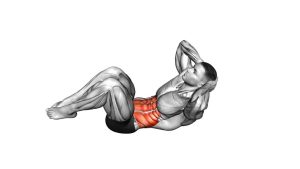
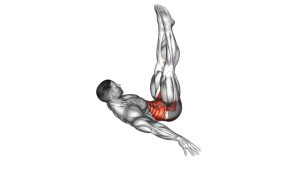
This exercise works best when the movement stays smooth, strict, and controlled. Instead of swinging the dumbbell or throwing the legs upward, focus on lifting the torso and legs together. As a result, the abs stay under tension through both the upward contraction and the controlled lowering phase. Keep the dumbbell secure with both hands, keep the legs long, and return to the floor with control after every repetition.
Quick Overview
| Body Part | Core |
|---|---|
| Primary Muscle | Rectus abdominis |
| Secondary Muscle | Hip flexors, obliques, deep core stabilizers, and anterior shoulder stabilizers |
| Equipment | Dumbbell and exercise mat |
| Difficulty | Intermediate to Advanced |
Sets & Reps (By Goal)
- Core strength: 3–4 sets × 6–10 reps with controlled form
- Muscle endurance: 2–3 sets × 10–15 reps using a light dumbbell
- Advanced ab training: 3–5 sets × 5–8 reps with a slow lowering phase
- Core finisher: 2–3 sets × 8–12 reps near the end of your workout
Progression rule: First improve control and range of motion. Then increase reps. After that, add slightly more dumbbell weight only if your lower back stays controlled.
Setup / Starting Position
- Lie on your back: Start flat on the floor with your legs straight and together.
- Hold the dumbbell securely: Grip one dumbbell with both hands and extend your arms overhead.
- Lengthen your body: Reach through the arms and legs without arching aggressively through the lower back.
- Brace your core: Before moving, lightly tighten your abs as if preparing to lift both ends of the body together.
- Keep the movement organized: Your arms, torso, and legs should move as one coordinated unit.
Tip: Use a light dumbbell at first. Since the arms are extended overhead, even a small weight can feel challenging.
Execution (Step-by-Step)
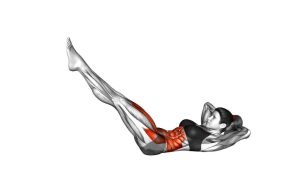
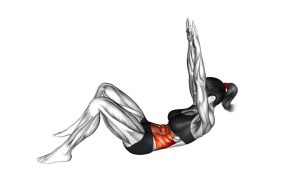
- Start fully extended: Keep the dumbbell overhead, legs straight, and body long on the floor.
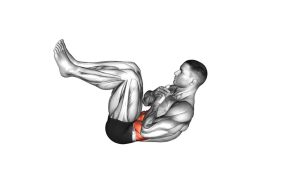
- Begin the lift: Raise your arms, torso, and legs at the same time while keeping the dumbbell controlled.
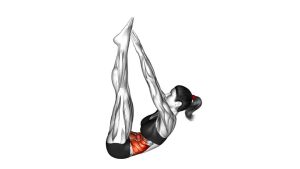
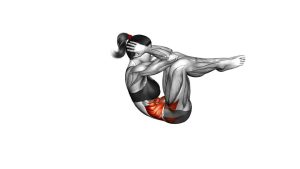
- Fold into the V position: Continue lifting until your hands travel toward your feet and your body forms a tight V shape.
- Squeeze the abs at the top: Pause briefly when the torso and legs are close together.
- Lower with control: Slowly return your arms overhead and legs toward the floor without dropping or relaxing suddenly.
- Reset before the next rep: Once you return to the extended position, brace again and repeat with the same smooth rhythm.
Pro Tips & Common Mistakes
- Use both hands on the dumbbell: This improves control and reduces the chance of the weight shifting overhead.
- Lift arms and legs together: If one side moves much earlier than the other, the exercise becomes less efficient and harder to control.
- Avoid using momentum: Swinging makes the rep easier, but it reduces abdominal tension.
- Control the lowering phase: The descent is where many people lose form, so lower slowly and keep the abs braced.
- Do not overload too soon: A heavy dumbbell can pull the shoulders, ribs, and lower back out of position.
- Keep the legs straight when possible: However, bend the knees slightly if needed to protect form and reduce lower-back strain.
- Do not pull with the neck: Let the abs lift the torso instead of leading with the head.
FAQ
What muscles does the Dumbbell V-Up work?
The Dumbbell V-Up mainly targets the rectus abdominis. In addition, it uses the hip flexors, obliques, and deep core muscles to lift and stabilize the body through the V-shaped position.
Is the Dumbbell V-Up beginner-friendly?
Not usually. Because the dumbbell adds load and the arms are extended overhead, this exercise is better for intermediate or advanced trainees. Beginners should first master bodyweight V-ups, tuck-ups, or dead bugs.
How heavy should the dumbbell be?
Start light. A small dumbbell is enough because the weight is held far from the body. If your form breaks or your lower back takes over, the dumbbell is too heavy.
Should my feet touch the dumbbell at the top?
They do not have to touch. The goal is to create a strong V position with controlled abdominal flexion. Therefore, reach toward the feet without forcing range or swinging.
Why does my lower back hurt during Dumbbell V-Ups?
Lower-back discomfort often happens when the weight is too heavy, the legs drop too fast, or the abs cannot control the full range. Reduce the load, bend the knees slightly, or switch to a bodyweight variation.
Can I use this exercise for six-pack training?
Yes, it can support six-pack training because it loads the abs through a strong flexion pattern. However, visible abs also depend on nutrition, total training volume, recovery, and body-fat level.
Recommended Equipment
- Hex Dumbbell — ideal for controlled weighted V-ups and general strength training
- Adjustable Dumbbell — useful when progressing gradually without buying many separate weights
- Thick Exercise Mat — adds comfort for the spine and hips during floor-based ab exercises
- Non-Slip Workout Mat — helps prevent sliding while lifting and lowering the legs
- Dumbbell Rack — keeps your workout area organized and makes weight selection easier
Tip: For this exercise, choose a dumbbell you can control through the full range. Better control creates better ab tension than heavier weight with poor form.