Plank Prone Plate Switch: Form, Core Benefits, Tips & FAQ
Learn the Plank Prone Plate Switch to build anti-rotation core strength, shoulder stability, and plank control with setup, reps, tips, FAQs, and equipment.
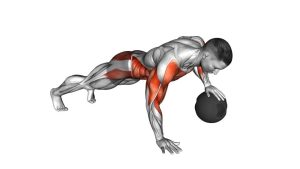
Plank Prone Plate Switch
This exercise works best when every repetition is slow, deliberate, and balanced. Because one hand leaves the floor during each plate switch, your core must work harder to prevent rotation. As a result, the movement trains your abs, obliques, shoulders, and deep stabilizers at the same time.
Quick Overview
| Body Part | Core |
|---|---|
| Primary Muscle | Rectus abdominis and obliques |
| Secondary Muscle | Transverse abdominis, shoulders, serratus anterior, chest, triceps, glutes |
| Equipment | Weight plate or similar flat sliding object |
| Difficulty | Intermediate |
Sets & Reps (By Goal)
- Core stability: 3 sets × 6–10 switches per side with slow control
- Strength endurance: 3–4 sets × 10–16 total switches with 45–75 seconds rest
- Anti-rotation control: 2–4 sets × 5–8 slow switches per side with a 1-second pause after each drag
- Conditioning finisher: 2–3 rounds × 20–30 seconds while keeping clean plank form
Progression rule: First improve control, then increase reps, and only after that use a heavier plate.
Setup / Starting Position
- Place the plate: Set a weight plate outside one hand where you can reach it without collapsing your plank.
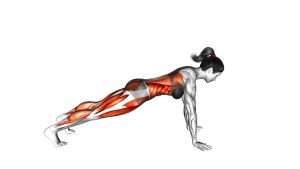
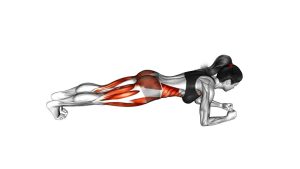
- Start in a high plank: Put your hands under your shoulders and extend both legs behind you.
- Set your feet wider than hip-width: A wider base helps you resist rotation during the plate switch.
- Brace your core: Pull your ribs down gently and keep your hips aligned with your shoulders.
- Keep your neck neutral: Look down toward the floor instead of lifting your head forward.
Execution (Step-by-Step)
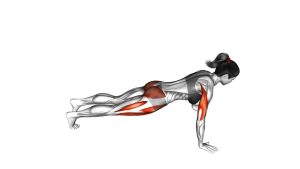
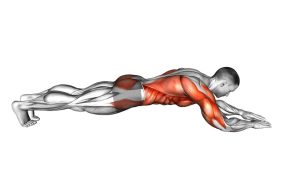
- Hold a strong plank: Press both hands into the floor and create a straight line from head to heels.
- Shift your weight slightly: Move just enough weight into the supporting arm so the opposite hand can reach the plate.
- Grab or slide the plate: Reach across the body and pull the plate toward the opposite side.
- Resist rotation: Keep your hips as square to the floor as possible while the plate moves under your torso.
- Replant your hand: Place the moving hand back on the floor before switching sides.
- Repeat with control: Continue alternating sides without letting your lower back sag or your shoulders shrug.
Pro Tips & Common Mistakes
- Use a smooth drag: Do not yank the plate across the floor because momentum reduces core tension.
- Keep your hips quiet: Small movement is normal, but large twisting means the load or speed is too high.
- Push the floor away: Strong shoulder engagement helps keep the upper body stable.
- Avoid sagging: If your lower back drops, reset your plank before continuing.
- Do not rush reps: Slow switches build better anti-rotation strength than fast, sloppy transfers.
- Choose the right plate: A flat plate slides more predictably and makes the movement easier to control.
FAQ
What muscles does the Plank Prone Plate Switch work?
It mainly works the abs and obliques because your core must resist rotation while one hand moves the plate. Additionally, your shoulders, chest, triceps, serratus anterior, glutes, and deep core stabilizers help maintain the plank.
Is the Plank Prone Plate Switch beginner-friendly?
It is usually better for intermediate trainees because it requires single-arm plank control. However, beginners can modify it by using a lighter object, widening the feet, or performing fewer slow switches.
How heavy should the plate be?
Start light enough to move the plate without twisting your hips or losing shoulder position. Once your form stays stable, you can gradually increase the load.
Why do my hips rotate during the exercise?
Hip rotation usually happens when the stance is too narrow, the plate is too heavy, or the drag is too fast. Therefore, widen your feet, slow down, and focus on keeping your hips square to the floor.
Can I do this exercise without a weight plate?
Yes. You can use a small slider, towel, sandbag, or another flat object that can move across the floor safely. Still, the object should be easy to control and should not roll away.
Recommended Equipment
- Weight Plate — the main tool for performing controlled plate switches
- Rubber-Coated Weight Plates — easier to grip and usually more floor-friendly
- Large Exercise Mat — adds comfort for wrists and improves floor protection
- Core Sliders — useful for lighter plate-switch variations and smooth dragging drills
- Workout Wrist Wraps — optional support for people who need extra wrist stability during plank work
Tip: Choose equipment that lets you keep clean plank alignment. If a tool makes the movement unstable or painful, reduce the difficulty before adding more load.