High Plank Knee Drop: Core Form, Sets, Tips & FAQ
Learn the High Plank Knee Drop for core stability, shoulder control, and hip strength. Includes form steps, sets, mistakes, FAQs, and gear.
High Plank Knee Drop
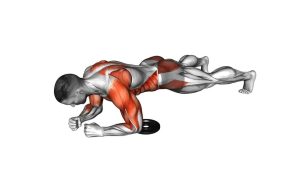
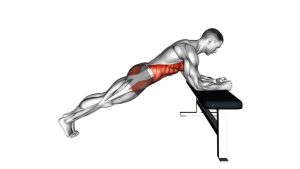
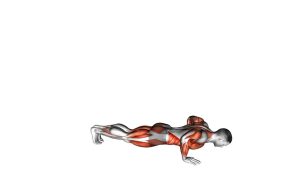
This movement works best when every repetition is slow, quiet, and controlled. Because the knees lower toward the floor, your abs must resist excessive hip sagging while your shoulders keep the upper body steady. Therefore, the goal is not speed. Instead, focus on keeping your hands planted, your ribs controlled, and your hips from collapsing as the knees move down and back up.
Quick Overview
| Body Part | Core |
|---|---|
| Primary Muscle | Rectus abdominis and transverse abdominis |
| Secondary Muscle | Obliques, hip flexors, glutes, shoulders, chest, triceps, and serratus anterior |
| Equipment | No equipment required; exercise mat optional |
| Difficulty | Beginner to intermediate |
Sets & Reps (By Goal)
- Beginner control: 2–3 sets × 6–8 reps, resting 45–60 seconds between sets.
- Core endurance: 3–4 sets × 10–15 reps, using a smooth and steady tempo.
- Warm-up activation: 1–2 sets × 6–10 reps before planks, push-ups, or bodyweight circuits.
- Strength-focused tempo: 3 sets × 8–10 reps with a 2-second lower and 2-second return.
Progression rule: First improve control and alignment. Then add reps, slower tempo, or longer plank holds between knee drops.
Setup / Starting Position
- Start on the floor: Place your hands under your shoulders with your fingers spread for support.
- Step into high plank: Extend both legs behind you and keep your feet about hip-width apart.
- Stack your joints: Keep shoulders over wrists and arms straight without locking the elbows aggressively.
- Brace your core: Pull your ribs down slightly and tighten your abs as if preparing for a plank hold.
- Set your body line: Keep your head, spine, hips, and heels aligned before starting the knee drop.
Tip: If your wrists feel uncomfortable, perform the exercise on a mat or use push-up handles to keep the wrists more neutral.
Execution (Step-by-Step)
- Hold a strong high plank: Press the floor away and keep your shoulders stable.
- Bend the knees slowly: Allow both knees to travel toward the floor while your hips lower under control.
- Keep tension: Do not relax at the bottom. Instead, hover the knees close to the floor or touch lightly without collapsing.
- Drive back to plank: Extend the knees and lift the hips back into a straight-body position.
- Reset before repeating: Rebuild your plank line, breathe, and begin the next controlled repetition.
Pro Tips & Common Mistakes
- Keep the shoulders stacked: Avoid rocking far behind the wrists as the knees drop.
- Control the bottom position: Do not rest your knees heavily on the floor between reps.
- Avoid hip sagging: Brace your abs before lowering so your lower back does not arch.
- Use a smooth tempo: Lower slowly, pause briefly, then return without bouncing.
- Press through the hands: This helps keep the upper back active and prevents shoulder collapse.
- Keep the neck neutral: Look slightly ahead of your hands instead of dropping the head.
- Do not rush reps: Fast reps often reduce core tension and turn the exercise into uncontrolled knee bending.
FAQ
What muscles does the High Plank Knee Drop work?
The High Plank Knee Drop mainly works the abs, especially the rectus abdominis and transverse abdominis. Additionally, the obliques, hip flexors, glutes, shoulders, triceps, and serratus anterior help stabilize the body.
Is the High Plank Knee Drop good for beginners?
Yes, it can be beginner-friendly when performed slowly with a short range of motion. However, beginners should first hold a clean high plank before adding the knee drop.
Should my knees touch the floor?
The knees may lightly touch or hover just above the floor. However, you should not rest at the bottom because the exercise is designed to maintain core tension throughout the movement.
Why do I feel this in my shoulders?
Your shoulders stabilize the high plank position, so some shoulder work is normal. However, if your shoulders fatigue before your core, press the floor away and avoid shifting too much weight forward.
How can I make the High Plank Knee Drop harder?
To make it harder, slow the lowering phase, pause near the floor, add more reps, or combine each knee drop with a longer high plank hold.
Recommended Equipment
- Exercise Mat — adds comfort for hands, knees, and feet during floor-based core training.
- Push-Up Handles — can reduce wrist strain while keeping the high plank position strong.
- Core Sliders — useful for progressing into more advanced plank and knee-tuck variations.
- Resistance Bands Set — helpful for pairing this exercise with glute, shoulder, and core activation drills.
- Mini Loop Bands — useful for adding hip and glute activation to warm-ups before plank work.
Tip: Equipment is optional. For this exercise, clean plank alignment and slow control matter more than adding tools.