Pull-In on Stability Ball: Core Form, Sets, Tips & FAQ
Learn the Pull-In on Stability Ball to build stronger abs, core control, and plank stability with step-by-step form, sets, tips, FAQs, and gear.
Pull-In on Stability Ball
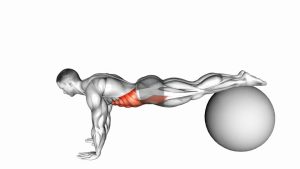
This exercise works best when the body stays controlled from the hands to the feet. Because the stability ball moves during every repetition, the core must resist unwanted swinging, lower-back sagging, and shoulder shifting. As a result, the movement becomes more than a simple knee tuck. It becomes a strong anti-extension, balance, and abdominal control drill.
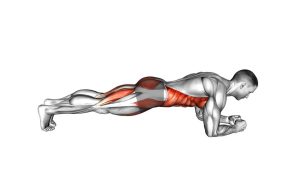
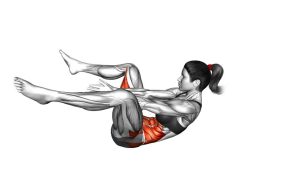
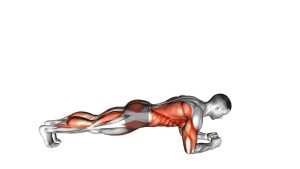
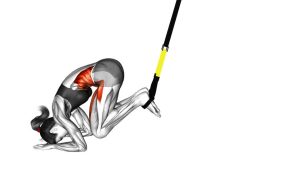
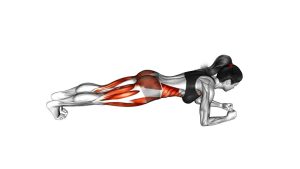
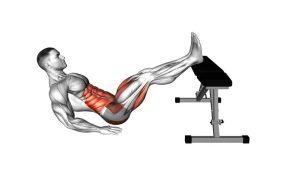
In the video, the movement starts in a straight plank line. Then, the knees bend and travel forward as the ball rolls under the lower legs. At the top, the hips flex and the abs shorten strongly. After that, the legs extend again until the body returns to a long plank shape. For best results, keep each repetition smooth, controlled, and quiet.
Quick Overview
| Body Part | Core |
|---|---|
| Primary Muscle | Rectus abdominis |
| Secondary Muscle | Hip flexors, transverse abdominis, obliques, shoulders, chest, triceps, and lower-back stabilizers |
| Equipment | Stability ball / exercise ball |
| Difficulty | Intermediate because it requires plank strength, balance, and controlled movement on an unstable surface |
Sets & Reps (By Goal)
- Core control: 2–3 sets × 6–10 slow reps with 45–75 seconds rest
- Muscle endurance: 3–4 sets × 10–15 reps with 45–60 seconds rest
- Strength and stability: 3–5 sets × 6–8 controlled reps with 60–90 seconds rest
- Workout finisher: 2–3 sets × 12–20 reps only if form remains clean
Progression rule: First, master a steady plank on the ball. Then, increase reps slowly. Finally, pull the knees closer to the chest only when your shoulders, hips, and spine remain controlled.
Setup / Starting Position
- Place the stability ball behind you: Start on your hands and position your feet, ankles, or lower shins on top of the ball.
- Set your hands under the shoulders: Keep the palms flat, fingers spread, and arms straight.
- Build a strong plank: Extend the legs, brace the abs, and create one long line from shoulders to feet.
- Stabilize the upper body: Press the floor away slightly so the shoulders do not collapse.
- Prepare the pull-in: Keep your gaze down, ribs controlled, and hips level before the first rep begins.
The setup should feel stable before you move. If the ball rolls side to side immediately, step down and practice a basic stability-ball plank first.
Execution (Step-by-Step)
- Start in a long plank: Keep the arms straight, the core braced, and the legs fully extended on the ball.
- Pull the knees forward: Bend the knees and draw them toward the chest while the ball rolls forward under your lower legs.
- Control the hips: Allow the hips to flex naturally, but avoid jumping, twisting, or throwing the body forward.
- Pause briefly at the top: Squeeze the abs when the knees are closest to the chest.
- Extend back slowly: Roll the ball away by straightening the legs until you return to the plank position.
- Reset your brace: Before the next rep, check that the shoulders are still stacked, the core is tight, and the lower back is not sagging.
Pro Tips & Common Mistakes
- Keep the arms straight: Your hands and shoulders create the base, while the core controls the ball.
- Move with control: A slower pull-in usually trains the abs better than a fast, swinging rep.
- Avoid lower-back sagging: Brace before every rep so the plank does not collapse during the return phase.
- Do not over-pike the hips: The video shows a knee pull-in pattern, not a high hip pike.
- Keep the ball centered: If it rolls to one side, slow down and reduce your range.
- Use a smaller range if needed: Pull the knees halfway in until you can control the full motion.
- Do not rush the return: Extending the legs too quickly often causes back arching and shoulder shifting.
- Breathe steadily: Exhale as the knees pull in, then inhale lightly as the legs extend back.
FAQ
What muscles does the Pull-In on Stability Ball work?
The exercise mainly works the rectus abdominis. However, it also trains the hip flexors, obliques, transverse abdominis, shoulders, chest, triceps, and spinal stabilizers because the body must hold a plank while the ball moves.
Is the Pull-In on Stability Ball good for abs?
Yes. It is an effective ab exercise because the knees pull toward the chest while the core stabilizes the plank. Additionally, the unstable ball increases the demand on balance and deep core control.
Is this exercise beginner-friendly?
It is usually better for intermediate exercisers. Beginners should first master regular planks, stability-ball planks, and slow mountain climber patterns before using the ball for full pull-ins.
Why does my lower back hurt during this exercise?
Lower-back discomfort often happens when the hips sag, the abs relax, or the legs extend too quickly. Therefore, reduce the range, slow the tempo, and brace the ribs down before each repetition.
How can I make the movement easier?
Use a smaller knee tuck, keep more of your shins on the ball, and perform fewer reps. Also, practice holding the starting plank on the ball until your shoulders and core feel stable.
How can I make the movement harder?
Increase the pause at the top, slow down the return phase, or perform more controlled reps. However, only progress when your plank alignment stays strong and the ball does not wobble excessively.
Recommended Equipment
- Anti-Burst Stability Ball — the main tool for performing the pull-in movement safely and smoothly
- Non-Slip Exercise Mat — helps keep the hands steady during the plank position
- Push-Up Handles — optional support for users who prefer a neutral wrist position
- Core Sliders — useful for practicing similar knee-tuck patterns before using a ball
- Stability Ball Pump — keeps the ball properly inflated for better control and safer rolling
Tip: Choose a stability ball size that allows you to hold a strong plank without excessive shoulder pressure or low-back sagging.