3/4 Sit-Up: Proper Form, Core Benefits, Sets, Tips & FAQ
Learn how to do the 3/4 Sit-Up with proper form to strengthen your abs, improve core control, and avoid common mistakes.
3/4 Sit-Up
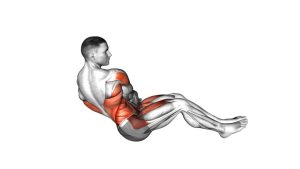
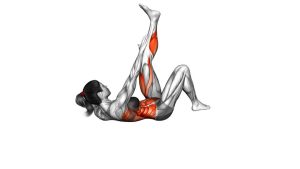
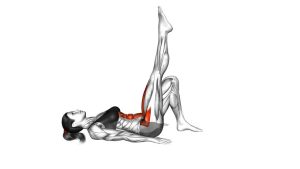
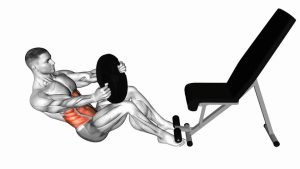
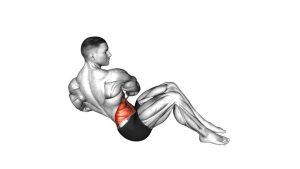
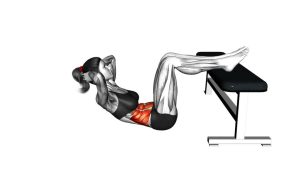
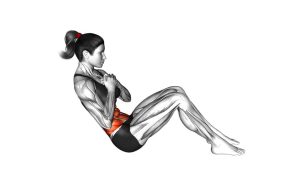
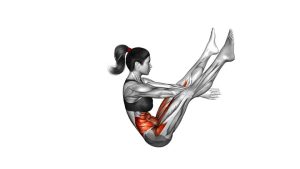
The 3/4 Sit-Up works best when every rep is slow, smooth, and controlled. Your goal is not to throw the body upward or yank the neck forward. Instead, curl the upper body off the floor, keep the feet planted, brace the abs, and stop just before the torso becomes fully vertical. This keeps more useful tension on the abdominal wall while reducing unnecessary swinging.
Quick Overview
| Body Part | Abs |
|---|---|
| Primary Muscle | Rectus abdominis |
| Secondary Muscle | Hip flexors, transverse abdominis, obliques, deep core stabilizers |
| Equipment | Bodyweight only; exercise mat optional |
| Difficulty | Beginner to intermediate |
Sets & Reps (By Goal)
- Beginner core strength: 2–3 sets × 8–12 reps with a slow, controlled tempo.
- Muscle endurance: 3–4 sets × 12–20 reps while keeping each rep clean.
- Core control: 3 sets × 8–10 reps with a 2-second pause near the top.
- Home ab workout finisher: 2–3 rounds × 15–25 reps with 30–45 seconds rest.
Progression rule: Add reps first, then add a slower lowering phase. Only make the exercise harder when you can complete every rep without pulling the neck, bouncing, or lifting the feet.
Setup / Starting Position
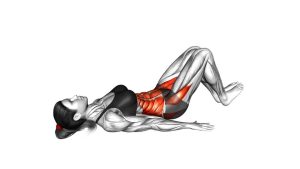
- Lie on your back: Place your body on a mat or flat floor surface.
- Bend your knees: Keep both feet flat on the ground about hip-width apart.
- Set your arms: Cross your arms over your chest or place the hands lightly near the sides of the head.
- Brace gently: Tighten the abs as if preparing for a controlled curl upward.
- Keep the neck neutral: Look slightly forward as you rise, but do not aggressively tuck the chin.
Tip: If your feet lift during the movement, reduce your speed and focus on curling through the trunk instead of kicking with the hips.
Execution (Step-by-Step)
- Start from the floor: Keep your back down, knees bent, feet planted, and core lightly braced.
- Lift the head and shoulders: Begin the rep by curling the upper back away from the floor.
- Continue upward: Raise the torso with control until you reach about three quarters of a full sit-up.
- Pause briefly: Hold the top position for a moment while keeping tension in the abs.
- Lower slowly: Return to the floor one section of the spine at a time.
- Reset softly: Touch the upper back down without fully relaxing or bouncing into the next rep.
Pro Tips & Common Mistakes
- Do not rush the first half: The opening curl should come from the abs, not from momentum.
- Avoid pulling the neck: If your hands are near your head, keep them light and relaxed.
- Stop before fully upright: The 3/4 range keeps more tension on the abs than sitting all the way up.
- Control the descent: The lowering phase builds strength when you resist gravity instead of dropping.
- Keep the feet planted: If the feet lift, reduce speed or place them slightly farther from the hips.
- Do not arch the lower back: Keep the ribs down and the abs engaged throughout the rep.
- Breathe naturally: Exhale as you rise, then inhale as you return with control.
FAQ
What is the difference between a 3/4 Sit-Up and a full sit-up?
A full sit-up brings the torso all the way upright. A 3/4 Sit-Up stops before that final upright position. This shorter range helps keep tension on the abs and can reduce the urge to swing through the movement.
Is the 3/4 Sit-Up good for beginners?
Yes. It can be beginner-friendly when performed slowly and with proper control. Beginners should start with fewer reps, avoid pulling the neck, and focus on a smooth curl rather than speed.
Where should I feel the 3/4 Sit-Up?
You should feel most of the work in the front of your abdomen, especially the rectus abdominis. Some hip flexor involvement is normal, but it should not dominate the movement.
Why does my neck hurt during sit-ups?
Neck discomfort often happens when the head is pulled forward or the chin is forced toward the chest. Keep your hands light, maintain a neutral neck, and let the abs lift the torso.
Can I do 3/4 Sit-Ups every day?
You can perform them often if the volume is moderate and your recovery is good. However, for strength and muscle development, 2–4 focused sessions per week usually works better than high-volume daily fatigue.
Recommended Equipment
- Exercise Mat — adds comfort and support for floor-based ab training.
- Ab Mat — helps support the lower back during sit-up and crunch variations.
- Non-Slip Workout Mat — improves stability when performing bodyweight core exercises.
- Ankle Weights — useful for advanced core variations, not needed for beginners.
- Resistance Bands Set — helpful for pairing sit-ups with full core and hip-strength routines.
Tip: The 3/4 Sit-Up does not require equipment. A mat is the most useful option because it improves comfort and helps you stay consistent with floor-based ab training.