Lying Single-Leg Hamstring Stretch: Form, Benefits, Tips & FAQ
Learn the Lying Single-Leg Hamstring Stretch to improve hamstring flexibility, hip mobility, and recovery with safe setup, form tips, FAQs.
Lying Single-Leg Hamstring Stretch
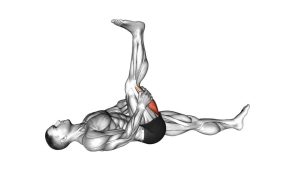
This exercise works best when it is performed with smooth control, not force. You should feel a clear but manageable stretch through the back of the raised thigh. Avoid bouncing, pulling aggressively, or rounding the lower back just to lift the leg higher. A smaller range with better pelvic control is more useful than a high leg position with poor form.
Quick Overview
| Body Part | Hamstrings |
|---|---|
| Primary Muscle | Hamstrings — biceps femoris, semitendinosus, semimembranosus |
| Secondary Muscle | Calves, glutes, hip stabilizers, lower-back stabilizers |
| Equipment | No equipment required; optional yoga strap, towel, or resistance band |
| Difficulty | Beginner |
Sets & Reps (By Goal)
- General flexibility: 2–3 sets × 20–40 seconds per leg
- Warm-up mobility: 1–2 sets × 8–12 slow controlled reps per leg
- Cool-down recovery: 2–4 sets × 30–60 seconds per leg
- Beginner tight hamstrings: 2 sets × 15–25 seconds per leg with a soft knee bend
Progression rule: Increase hold time before increasing stretch intensity. The stretch should feel controlled, breathable, and repeatable.
Setup / Starting Position
- Lie on your back: Rest flat on the floor or mat with both legs extended.
- Keep your spine neutral: Let your head, shoulders, ribs, and pelvis stay relaxed against the floor.
- Prepare one leg: Raise one leg slowly while keeping the other leg long and grounded.
- Use assistance if needed: Hold behind the thigh, behind the calf, or use a towel/strap around the foot.
- Control the pelvis: Avoid twisting, hiking one hip, or letting the lower back round aggressively.
Execution (Step-by-Step)
- Start from a relaxed supine position: Keep both legs long and your breathing calm.
- Lift one leg upward: Flex the hip and guide the leg toward the torso while keeping the knee mostly straight.
- Find the stretch: Stop when you feel tension through the back of the thigh without pain or shaking.
- Hold the position: Keep the opposite leg grounded and the pelvis stable while breathing slowly.
- Return with control: Lower the leg back down smoothly, then repeat on the opposite side.
Pro Tips & Common Mistakes
- Do not bounce: Use a steady hold or slow controlled movement to protect the hamstrings.
- Keep the opposite leg grounded: This helps reduce pelvic rotation and lower-back compensation.
- Avoid pulling from the neck: Keep your head and shoulders relaxed on the floor.
- Use a strap for better control: A towel or yoga strap can help you stretch without rounding forward.
- Do not force the knee lock: A soft knee can make the stretch safer and more comfortable.
- Breathe slowly: Exhale gently as the hamstrings relax into the stretch.
FAQ
Where should I feel the Lying Single-Leg Hamstring Stretch?
You should feel it mainly through the back of the raised thigh. Some mild calf tension may occur if the foot is flexed, but sharp pain or tingling is not the goal.
Should my knee stay completely straight?
Not necessarily. A slight knee bend is fine, especially for beginners. Keeping the pelvis stable and feeling a clean hamstring stretch is more important than locking the knee.
Is this exercise good for tight hamstrings?
Yes. It is a beginner-friendly way to improve hamstring flexibility because the floor supports your body and makes it easier to control the stretch.
Can I use a towel or strap?
Yes. A towel, yoga strap, or resistance band can help you guide the leg upward without straining your arms, neck, or lower back.
When should I do this stretch?
Use it after lower-body workouts, after running, during mobility sessions, or as a gentle cool-down stretch. For warm-ups, use shorter dynamic reps instead of long static holds.
Recommended Equipment (Optional)
- Yoga Stretching Strap — helps guide the leg into position without pulling aggressively
- Thick Exercise Mat — supports the spine, hips, and shoulders during floor stretching
- Resistance Bands Set — useful as a stretching aid and for lower-body mobility work
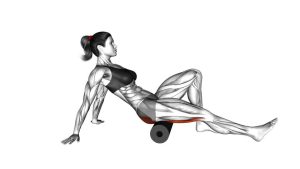
- Foam Roller — helpful for pre-stretch soft tissue preparation around the hamstrings and calves
- Stretching Strap with Loops — provides multiple grip points for controlled hamstring stretching
Tip: Equipment should make the stretch easier to control, not more aggressive. Use light assistance and avoid forcing range.