Sitting Side Step Tuck: Core Form, Benefits, Sets, Tips & FAQ
Learn the Sitting Side Step Tuck to train core control, hip flexion, and seated stability with step-by-step form, sets, tips, FAQs, and equipment.
Sitting Side Step Tuck on a Padded Stool
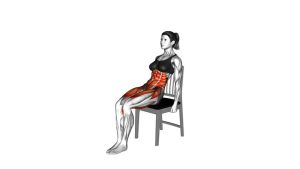
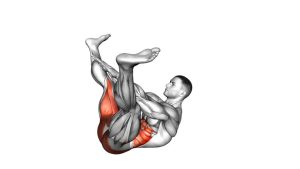
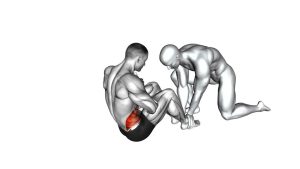
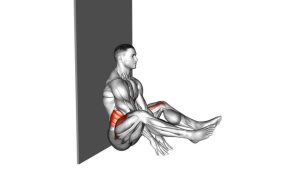
This exercise works best when the movement stays clean, small, and controlled. First, sit tall on the padded stool. Then, keep your hands lightly supported for balance while one leg moves out to the side and returns into a tucked position. As a result, the core must resist unnecessary leaning, while the hip flexors guide the leg through the tuck.
Quick Overview
| Body Part | Core |
|---|---|
| Primary Muscle | Abdominals, especially deep core stabilizers |
| Secondary Muscle | Hip flexors, obliques, adductors, and glute stabilizers |
| Equipment | Padded stool, padded bench, or stable seat |
| Difficulty | Beginner to intermediate |
Sets & Reps (By Goal)
- Core activation: 2–3 sets × 8–10 reps per side with slow control.
- Hip-flexor endurance: 3 sets × 10–15 reps per side with steady breathing.
- Balance and coordination: 2–4 sets × 6–10 reps per side using a slower tempo.
- Warm-up use: 1–2 sets × 8 reps per side before core or lower-body training.
Progression rule: First improve posture and control. After that, add more reps, slow the tempo, or reduce hand support slightly.
Setup / Starting Position
- Choose a stable surface: Sit on a padded stool or firm padded bench that does not move.
- Sit near the center: Keep enough room for one leg to move outward and return safely.
- Place your hands for support: Keep the hands lightly on the stool or beside the hips.
- Set your posture: Lift the chest gently, keep the ribs controlled, and avoid collapsing through the lower back.
- Prepare the working leg: Start with one leg ready to step out to the side while the other leg helps you stay balanced.
Keep the movement area clear. Since the leg moves laterally, avoid nearby objects that may block your range.
Execution (Step-by-Step)
- Sit tall: Brace your core lightly and keep your torso upright.
- Step the leg outward: Move one leg to the side in a controlled side-step motion.
- Control the pause: Briefly stabilize at the outer position without leaning excessively.
- Draw the leg inward: Bring the knee back toward the body into a tuck.
- Keep the torso quiet: Resist rocking, twisting, or collapsing as the leg returns.
- Repeat smoothly: Continue the side-step-to-tuck pattern for the target reps, then switch sides if needed.
Pro Tips & Common Mistakes
- Move slowly: A slower tempo makes the core work harder and reduces momentum.
- Keep your hands light: Use support for balance, but avoid pushing hard through the arms.
- Avoid leaning back: Stay tall so the movement does not turn into a passive hip swing.
- Do not rush the tuck: Pull the knee inward with control instead of snapping it toward the body.
- Control the outer step: The side position should feel stable, not loose or dropped.
- Breathe consistently: Exhale lightly as the knee tucks in, then inhale as the leg moves outward.
FAQ
What muscles does the Sitting Side Step Tuck work?
It mainly trains the core stabilizers while also involving the hip flexors, obliques, adductors, and glute stabilizers. However, the exact feeling may vary depending on posture, range, and control.
Is this exercise good for beginners?
Yes, it can be beginner-friendly when performed slowly on a stable padded stool. Still, beginners should use hand support and keep the range small at first.
Should I feel this more in my abs or hips?
You may feel both. The abs help stabilize your torso, while the hip flexors help move the leg into the tuck. If you only feel hip strain, reduce the range and sit taller.
Can I do this without a padded stool?
Yes, you can use a stable padded bench or firm chair. However, the surface must be secure and high enough to let the leg move freely.
How can I make it harder?
First, slow down the tempo. Then, reduce hand support slightly, increase reps, or hold the tucked position briefly. Do not add difficulty if balance or posture breaks down.
Recommended Equipment
- Padded Workout Stool — provides a comfortable seated base for controlled core drills.
- Adjustable Weight Bench — useful for seated core movements and many strength exercises.
- Exercise Mat — helps protect the floor and adds comfort around the training area.
- Mini Resistance Bands — optional progression tool for hip and glute activation drills.
- Non-Slip Workout Floor Mat — helps keep the stool area more secure during seated movement.
Choose equipment that feels stable and supportive. More importantly, avoid any stool or bench that rocks, slides, or feels unsafe.