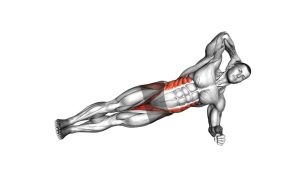
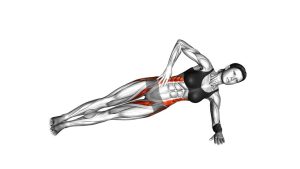
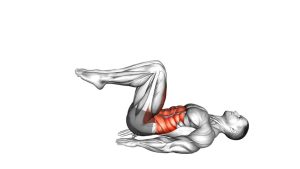
Plank Hand Switch: Core Stability, Shoulder Control & Proper Form
Learn the Plank Hand Switch for core stability, shoulder control, and anti-rotation strength. Includes form steps, sets, tips, FAQs, and equipment.
Plank Hand Switch
This exercise works best when every hand switch is smooth and controlled. Because one hand leaves the floor at a time, your core must resist twisting while your supporting shoulder keeps the body stable. Therefore, use a moderate pace, keep your feet wide enough for balance, and avoid rushing from side to side.
Quick Overview
| Body Part | Core |
|---|---|
| Primary Muscle | Rectus abdominis, transverse abdominis, and obliques |
| Secondary Muscle | Shoulders, chest, triceps, serratus anterior, glutes, and hip stabilizers |
| Equipment | No equipment required; optional exercise mat for wrist and floor comfort |
| Difficulty | Beginner to Intermediate |
Sets & Reps (By Goal)
- Core control: 2–3 sets × 8–12 total hand switches
- Shoulder stability: 3–4 sets × 10–16 total hand switches
- Conditioning: 3–5 rounds × 20–30 seconds
- Beginner practice: 2 sets × 6–8 slow switches with wider feet
Progression rule: First improve control, then add reps. After that, narrow your foot stance slightly or increase time under tension.
Setup / Starting Position
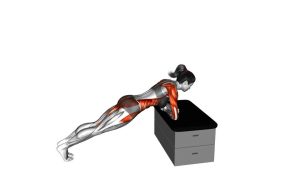
- Start in a high plank: Place your hands under your shoulders with your arms straight.
- Set your feet: Keep your feet slightly apart so your body can stay stable during each hand switch.
- Brace your core: Pull your ribs down gently and keep your hips in line with your shoulders.
- Keep your neck neutral: Look slightly ahead of your hands without dropping or lifting your head.
- Press the floor away: Keep your upper back active so your shoulders do not collapse.
Execution (Step-by-Step)
- Hold a strong plank: Keep your body in one straight line from head to heels.
- Shift your weight slightly: Move just enough weight into one supporting hand to free the opposite hand.
- Lift one hand: Raise the hand from the floor without letting your hips twist excessively.
- Switch the hand position: Move the lifted hand laterally and place it back on the floor with control.
- Re-stabilize: Pause briefly once both hands are grounded again.
- Repeat on the other side: Switch hands in the opposite direction while keeping your torso steady.
Pro Tips & Common Mistakes
- Move slowly first: A slower tempo makes the core work harder and reduces sloppy rotation.
- Do not let the hips sag: Keep your glutes lightly engaged to protect your lower back.
- Avoid shoulder collapse: Push the floor away and keep your chest from sinking between your arms.
- Keep the switch small: A moderate hand movement is enough to challenge stability.
- Control your breathing: Exhale gently during the hand switch and inhale as you reset.
- Use a wider stance when needed: Wider feet make the drill easier and help you learn clean anti-rotation control.
FAQ
What muscles does the Plank Hand Switch work?
The Plank Hand Switch mainly works the abs, obliques, and deep core muscles. Additionally, it trains the shoulders, chest, triceps, serratus anterior, glutes, and hip stabilizers because the body must stay steady while one hand moves.
Is the Plank Hand Switch good for beginners?
Yes, beginners can use this exercise if they move slowly and keep the feet wider apart. However, if the plank position feels too difficult, start with a basic high plank before adding hand switches.
Should I perform this exercise fast or slow?
Perform it slowly at first. Although faster reps can raise conditioning demand, slow switches build better core control, shoulder stability, and body awareness.
Why do my hips twist during the movement?
Hip twisting usually happens when the core loses tension or the feet are too narrow. Therefore, brace your abs, squeeze your glutes lightly, and widen your stance until the movement feels stable.
Can I do the Plank Hand Switch every day?
You can practice it often at low volume, especially as part of a warm-up. Still, for harder sets, allow recovery if your wrists, shoulders, or core feel fatigued.
Recommended Equipment
- Exercise Mat — adds comfort for wrists, hands, knees, and floor-based core training
- Push-Up Handles — can reduce wrist extension for people who prefer a neutral grip
- Workout Wrist Wraps — provide extra wrist support during plank-based exercises
- Exercise Sliders — useful for advanced plank variations and core stability progressions
- Resistance Bands Set — helpful for shoulder warm-ups, scapular control, and upper-body activation
Tip: This exercise does not require equipment. However, a supportive mat can improve comfort and help you maintain cleaner plank alignment.