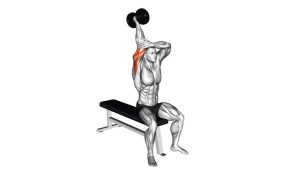
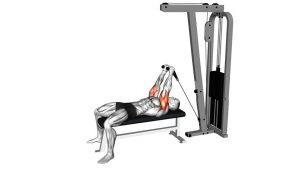
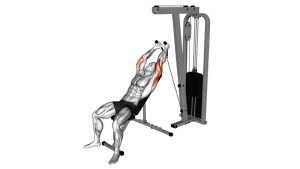
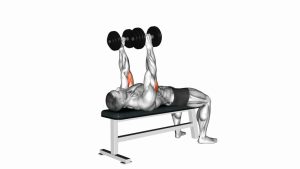
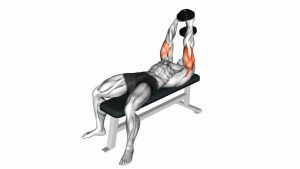
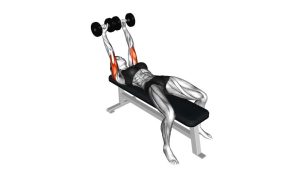
Smith Machine Incline Triceps Extension: Form, Muscles Worked, Sets & Tips
Learn the Smith Machine Incline Triceps Extension with proper form, setup, execution steps, sets by goal, common mistakes, FAQs, and recommended equipment for better triceps growth and safer training.
Smith Machine Incline Triceps Extension
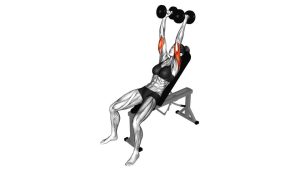
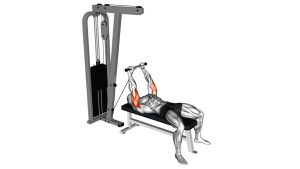
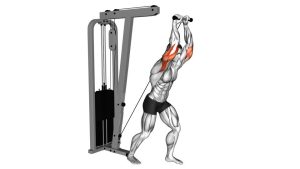
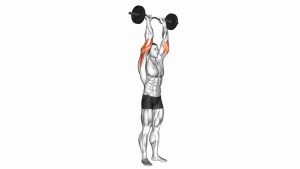
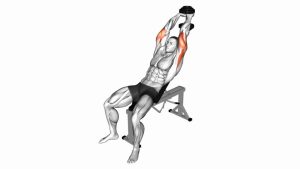
This variation works best when you treat it like a true isolation lift rather than a press. Your upper arms should stay relatively stable while the elbows do most of the work. Lower the bar under control toward the forehead or slightly behind it depending on comfort, then extend the elbows until your arms are nearly straight. The goal is strong triceps tension, not momentum, shoulder swing, or an aggressive lockout.
Quick Overview
| Body Part | Triceps |
|---|---|
| Primary Muscle | Triceps brachii (long head, lateral head, medial head) |
| Secondary Muscle | Anterior deltoids and forearm/wrist stabilizers (light stabilizing role) |
| Equipment | Smith machine, incline bench |
| Difficulty | Intermediate |
Sets & Reps (By Goal)
- Muscle growth: 3–4 sets × 8–12 reps with 60–90 sec rest
- Technique and control: 2–3 sets × 10–15 reps with slow eccentrics and 45–75 sec rest
- Strength-focused assistance work: 3–5 sets × 6–8 reps with 90–120 sec rest
- Finisher / pump work: 2–3 sets × 12–20 reps with 30–60 sec rest
Progression rule: First improve rep quality and control, then add reps, and only then increase load. Keep the bar path smooth and the elbows consistent from set to set.
Setup / Starting Position
- Place the incline bench: Set a bench inside the Smith machine at a moderate incline, usually around 30–45 degrees.
- Lie back and plant the feet: Keep your upper back supported and feet flat on the floor for balance.
- Grip the bar: Use a close to shoulder-width grip, whichever feels strongest at the wrists and elbows.
- Unrack with straight arms: Start with the bar above your upper chest or shoulder line and the elbows nearly extended.
- Set the upper arms: Angle the elbows slightly inward and keep them from drifting too wide.
Tip: A grip that is too narrow can stress the wrists, while a grip that is too wide may turn the movement into more of a pressing pattern.
Execution (Step-by-Step)
- Brace and stabilize: Keep your head, upper back, and hips steady on the bench with the chest up and wrists straight.
- Lower the bar: Bend at the elbows and bring the bar down in a controlled arc toward the forehead, hairline, or just behind the head depending on comfort and arm length.
- Keep the upper arms quiet: Do not let the shoulders take over or the elbows flare excessively to the sides.
- Reach the stretch: Lower until the triceps feel loaded but your elbows and wrists still feel stable.
- Extend the elbows: Press the bar back up by straightening the arms until you reach near lockout.
- Repeat smoothly: Maintain even tempo and tension without bouncing out of the bottom.
Pro Tips & Common Mistakes
- Keep elbows tucked but natural: Slight inward tracking is good, but do not jam them unnaturally tight.
- Use a slow lowering phase: A 2–3 second eccentric usually makes the exercise more effective and easier on the joints.
- Do not chase excessive depth: Go only as low as you can while keeping tension on the triceps and control in the elbows.
- Avoid turning it into a press: Too much shoulder motion reduces triceps isolation.
- Do not slam lockout: Finish the rep strong, but avoid snapping the elbows straight.
- Choose the right bench angle: A moderate incline often gives the best balance of comfort, stability, and long-head emphasis.
FAQ
What muscles does the Smith Machine Incline Triceps Extension work most?
It mainly targets the triceps brachii, with strong emphasis on the long head because the incline position places the upper arm in a more stretched setup than many standard pushdown variations.
Is this better than a flat skull crusher?
Not always better, but different. The incline setup can feel smoother for some lifters and may create a stronger stretch on the triceps. The Smith machine also adds stability, which can help you focus more on form.
Where should I lower the bar?
Most lifters do best lowering the bar toward the forehead, hairline, or slightly behind the head. The best path is the one that keeps tension on the triceps without irritating the elbows, wrists, or shoulders.
Should I go heavy on this exercise?
Moderate loads usually work best. This is primarily an isolation movement, so strict reps, consistent elbow position, and controlled tempo matter more than using the heaviest load possible.
Can beginners use this exercise?
Yes, but many beginners should start light and learn control first. If the setup feels awkward, easier triceps options like rope pushdowns or dumbbell extensions may be a better starting point.
Recommended Equipment
- Smith Machine — the core setup for this movement; multi-function Smith machines on Amazon commonly list triceps extensions among their supported exercises
- Adjustable Weight Bench — an incline-adjustable bench helps you set the torso angle needed for this variation
- Elbow Sleeves — weightlifting elbow sleeves are marketed for compression and support during pressing and arm training
- Wrist Wraps — useful for extra wrist stability if straight-bar extensions feel uncomfortable
- Bar Pad — optional comfort accessory for setups where contact with the bar or rack hardware feels awkward
Tip: Prioritize the Smith machine and a solid adjustable bench first. Sleeves and wraps are optional comfort/support items, not substitutes for good form. Amazon search results for these categories currently highlight Smith machines built for triceps extensions, incline-capable benches, elbow sleeves for compression/stability, and wrist wraps for support.