Squat Mobility Complex: Deep Squat Form, Mobility Tips & FAQ
Learn the Squat Mobility Complex to improve hip, ankle, and thoracic mobility with step-by-step form, sets, tips, FAQs, and gear.
Squat Mobility Complex
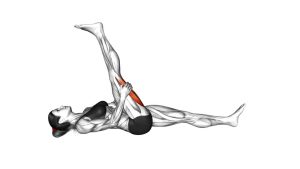
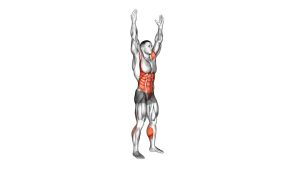
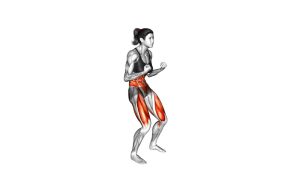
This exercise is best used before leg training, athletic movement, or lower-body mobility work. It helps improve access to a deeper squat position while teaching the hips, ankles, core, and upper back to work together. Move slowly, breathe through each position, and focus on control instead of forcing range.
Quick Overview
| Body Part | Legs |
|---|---|
| Primary Muscle | Hips, adductors, glutes, and ankle stabilizers |
| Secondary Muscle | Core, thoracic spine muscles, quads, hamstrings, calves, and shoulders |
| Equipment | Bodyweight only; optional yoga mat, mobility block, or light resistance band |
| Difficulty | Beginner to Intermediate depending on squat depth and mobility level |
Sets & Reps (By Goal)
- General warm-up: 1–2 rounds × 4–6 slow reps per side
- Hip and ankle mobility: 2–3 rounds × 30–60 seconds of controlled flow
- Squat preparation: 2 rounds before squats, lunges, deadlifts, or leg training
- Movement quality practice: 3 rounds × 3–5 deep breaths in each key position
Progression rule: Improve control first. Add deeper range, longer holds, or slower rotations only when your heels stay down and your spine stays stable.
Setup / Starting Position
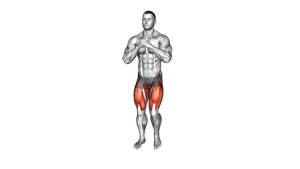
- Stand tall: Place your feet about shoulder-width to slightly wider than shoulder-width apart.
- Turn the toes slightly out: Use a natural angle that allows your knees to track comfortably over your toes.
- Brace lightly: Keep your ribs stacked over your pelvis and maintain a long spine.
- Prepare the hips: Think about sitting between your heels instead of collapsing forward.
- Relax your shoulders: Keep the upper body calm before moving into the deep squat.
Tip: If your heels lift, widen your stance slightly or reduce depth. You can also place a small wedge under the heels while building ankle mobility.
Execution (Step-by-Step)
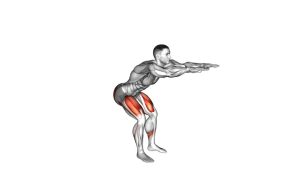
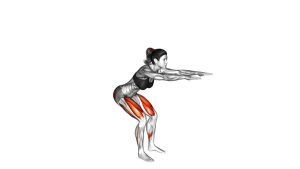
- Lower into a deep squat: Bend the knees and hips together while keeping your heels grounded.
- Open the knees: Let your knees track in the same direction as your toes without collapsing inward.
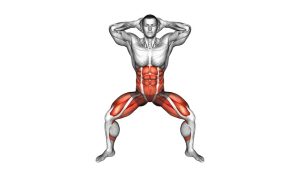
- Set the bottom position: Pause in the deep squat with your chest lifted and your spine long.
- Add a hip-opening shift: Gently shift your weight from side to side to feel the hips and inner thighs open.
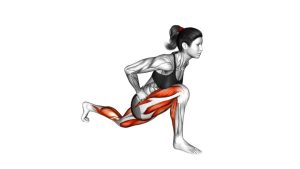
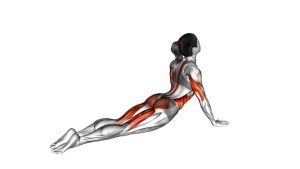
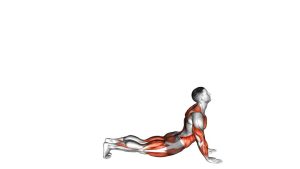
- Rotate through the upper back: Place one hand near the floor or inside the knee, then reach the opposite arm upward.
- Follow the hand with your eyes: Rotate through the chest and upper back, not by twisting aggressively through the lower back.
- Return to center: Bring the arm down, reset your squat, then repeat the rotation on the opposite side.
- Stand with control: Drive through the feet and extend the hips and knees to return to standing.
Pro Tips & Common Mistakes
- Keep the heels grounded: This keeps the drill focused on useful squat mobility instead of balance compensation.
- Move slowly: Fast reps reduce control and make it harder to feel the hips, ankles, and upper back working together.
- Do not force depth: A clean half-depth squat is better than a collapsed deep squat.
- Keep knees tracking out: Avoid letting the knees cave inward as you descend or rotate.
- Rotate from the thoracic spine: Think about opening the chest rather than twisting the lower back.
- Breathe in the bottom position: Calm breathing helps reduce unnecessary tension and improves mobility quality.
- Use support if needed: Hold a rack, door frame, or stable post if balance limits your range.
FAQ
What is the Squat Mobility Complex good for?
The Squat Mobility Complex is useful for improving deep squat comfort, hip mobility, ankle dorsiflexion, adductor flexibility, thoracic rotation, and lower-body warm-up quality.
Should I do this before leg day?
Yes. It works well before squats, lunges, deadlifts, split squats, and athletic lower-body sessions. Keep the effort controlled so it prepares the body without causing fatigue.
Why do my heels lift during the deep squat?
Heel lift often comes from limited ankle dorsiflexion, stance restriction, or balance compensation. Try a slightly wider stance, reduce depth, or use a small heel wedge while improving ankle mobility over time.
Where should I feel this exercise?
You may feel it in the hips, inner thighs, ankles, glutes, upper back, and sometimes the calves. You should not feel sharp knee pain, strong lower-back strain, or pinching in the front of the hips.
Is this a strength exercise or a mobility exercise?
It is mainly a mobility and movement-control exercise. It can build some positional strength, but its main purpose is to improve squat mechanics, range of motion, and warm-up readiness.
Recommended Equipment (Optional)
- Yoga Mat / Exercise Mat — provides a comfortable surface for deep squat mobility work
- Squat Wedge / Slant Board — helps support heel elevation while building ankle mobility
- Mobility Blocks / Yoga Blocks — useful for hand support during deep squat rotations
- Resistance Bands Set — helpful for hip activation, ankle mobility, and warm-up drills
- High-Density Foam Roller — useful before mobility work for calves, quads, glutes, and upper back
Tip: Equipment should make the movement cleaner, not harder. Use support tools when they help you keep better posture, deeper breathing, and smoother control.