Lever Seated Twist: Proper Form, Benefits, Sets, Tips & FAQ
Learn the Lever Seated Twist for stronger obliques, better core rotation, and controlled trunk stability with form cues, sets, mistakes, FAQs, and equipment.
Lever Seated Twist
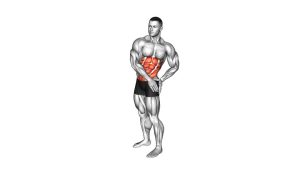
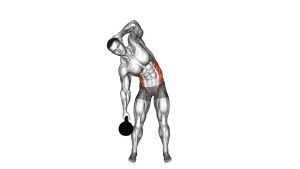
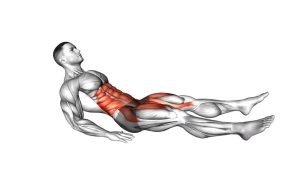
This exercise works best when the lower body stays stable and the torso moves with intention. In the video, the athlete sits upright on the lever machine, plants the feet securely, keeps the hips fixed, and rotates the upper body from side to side with a steady tempo. Each repetition shows a controlled twist, a brief peak contraction, and a smooth return to the center position.
Since the machine provides support, the Lever Seated Twist is useful for building rotational strength in a beginner-friendly way. However, the movement still needs discipline. A clean rep should feel like the ribs and shoulders rotate together while the pelvis remains locked in place. If the arms start pulling hard, the lower back takes over, or the torso snaps back quickly, the load is too heavy.
Quick Overview
| Body Part | Core |
|---|---|
| Primary Muscle | Obliques, especially internal and external obliques |
| Secondary Muscle | Rectus abdominis, transverse abdominis, spinal stabilizers, hip stabilizers |
| Equipment | Lever seated twist machine or torso rotation machine |
| Difficulty | Beginner to intermediate, depending on load and rotation control |
Sets & Reps (By Goal)
- Core activation: 2–3 sets × 10–12 reps per side using a light load and slow tempo.
- Oblique hypertrophy: 3–4 sets × 10–15 reps per side with controlled resistance.
- Rotational strength: 3–5 sets × 6–10 reps per side with heavier but strict form.
- Beginner technique practice: 2 sets × 8–10 reps per side while learning the correct range.
- Core finisher: 2–3 sets × 15–20 reps per side with lighter weight and no momentum.
Progression rule: Add weight only after you can rotate both directions evenly without swinging, leaning, or losing control at the center position.
Setup / Starting Position
- Sit on the machine: Position your hips firmly against the seat so your pelvis stays stable during the twist.
- Secure your feet: Place both feet flat on the platform or foot supports. This gives your lower body a solid base.
- Set your torso upright: Keep your chest lifted, ribs stacked, and spine tall without leaning backward.
- Grip the handles lightly: Hold the handles for support, but avoid using your arms as the main driver of the movement.
- Brace your core: Tighten your midsection gently as if preparing for a controlled rotation.
- Choose a safe starting load: Begin lighter than you think you need. This exercise rewards control more than heavy resistance.
Tip: Before starting your working sets, perform two or three slow practice reps to confirm that the seat, pads, and handles match your body position.
Execution (Step-by-Step)
- Start from the center: Sit tall with your torso facing forward and your hips locked against the machine.
- Begin the twist: Rotate your torso to one side by turning through your ribs and shoulders, not by yanking with your arms.
- Control the range: Move only as far as you can while keeping your lower body still and your spine comfortable.
- Pause briefly: Hold the end position for a short moment to feel the obliques contract.
- Return to center: Bring the lever back slowly instead of letting the weight pull you.
- Rotate to the opposite side: Repeat the same controlled motion in the other direction.
- Keep the rhythm steady: Use the same speed on both sides so one oblique does not dominate the movement.
Pro Tips & Common Mistakes
- Rotate from the torso: Think about turning your ribs around your spine instead of pulling the handles with your arms.
- Avoid using momentum: Fast twisting reduces oblique tension and increases stress on the lower back.
- Keep your hips quiet: The pelvis should remain anchored so the movement stays focused on trunk rotation.
- Do not overload too early: Heavy weight often causes swinging, shortened range, and poor control.
- Match both sides: Rotate left and right with equal speed, range, and effort.
- Stay tall through the spine: Rounding or leaning backward changes the exercise and may irritate the lower back.
- Use a short pause: A one-second hold at the end of each twist helps improve oblique engagement.
- Control the return: The eccentric phase builds strength too, so never let the lever snap back to center.
FAQ
What muscles does the Lever Seated Twist work?
The Lever Seated Twist mainly targets the internal and external obliques. It also involves the rectus abdominis, transverse abdominis, and spinal stabilizers because your core must control the rotation and the return phase.
Is the Lever Seated Twist good for beginners?
Yes. The machine guides the movement and supports the seated position, which makes it easier to learn controlled torso rotation. Beginners should start with a light load and focus on keeping the hips still.
Should I go heavy on the seated twist machine?
Heavy loads are not necessary at first. This exercise works best when the rotation is smooth, the spine stays tall, and the obliques control the movement. Increase resistance gradually after your form is consistent.
Why do I feel the Lever Seated Twist in my lower back?
Lower-back discomfort often comes from using too much weight, twisting too far, leaning backward, or allowing the hips to move. Reduce the load, shorten the range, and keep your pelvis fixed.
How slow should each rep be?
A good tempo is about 1–2 seconds into the twist, a brief pause at the end, and 2 seconds back to center. This pace keeps the movement controlled and reduces momentum.
Can this exercise help build visible obliques?
It can help strengthen and develop the obliques when combined with progressive training, enough weekly volume, and proper nutrition. For best results, pair it with anti-rotation drills, side planks, cable chops, and full-body strength work.
Recommended Equipment (Optional)
- Torso Rotation Machine — the most specific machine option for performing seated weighted twists.
- Adjustable Ab Bench — useful for other rotational and flexion-based core exercises.
- Cable Machine Handles — helpful for cable wood chops, cable rotations, and standing oblique work.
- Resistance Bands with Handles — great for home-based rotational core drills and anti-rotation training.
- Exercise Mat — useful for floor-based core exercises such as side planks, dead bugs, and hollow holds.
Tip: The machine is optional if your gym does not have it. You can train a similar movement pattern with cable rotations, band rotations, or controlled medicine ball twists.