Seated Alternate Crunch: Form, Benefits, Sets, Tips & FAQ
Learn the Seated Alternate Crunch for stronger abs and controlled core engagement. Includes setup, steps, sets, mistakes, FAQs, and equipment.
Seated Alternate Crunch
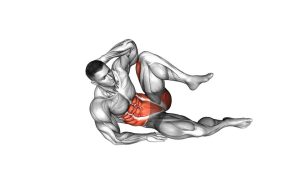
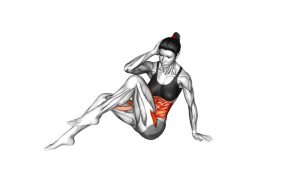
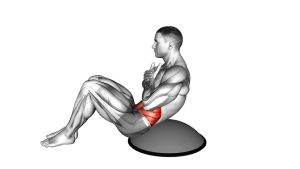
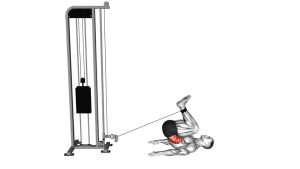
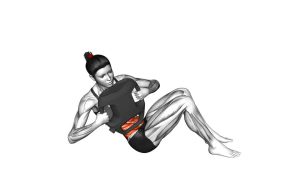
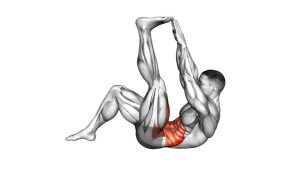
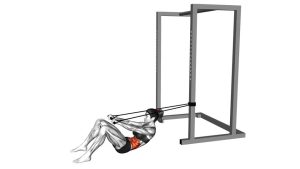
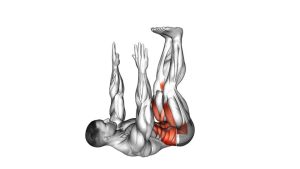
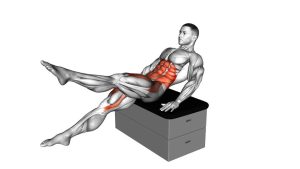
This exercise works best when the torso stays slightly reclined and the hands support the body on the bench. Because the legs move one at a time, the core must resist shifting while also helping draw the knee toward the chest. As a result, the movement is useful for building abdominal control, improving seated core strength, and training cleaner knee-tuck mechanics without needing heavy equipment.
Quick Overview
| Body Part | Abs |
|---|---|
| Primary Muscle | Rectus abdominis |
| Secondary Muscle | Obliques, hip flexors, deep core stabilizers |
| Equipment | Flat bench or stable exercise bench |
| Difficulty | Beginner to intermediate |
Sets & Reps (By Goal)
- Core activation: 2–3 sets × 8–10 reps per side with a slow, clean tempo.
- Muscle endurance: 3–4 sets × 12–16 total alternating reps with steady breathing.
- Ab strength control: 3–4 sets × 8–12 reps per side with a brief squeeze at the top.
- Beginner practice: 2 sets × 6–8 reps per side with a shorter leg extension.
Progression rule: First improve control, then increase reps. After that, extend the legs farther or slow the lowering phase to make the exercise more challenging.
Setup / Starting Position
- Sit near the middle or edge of a stable bench: Place both hands behind your hips for support.
- Lean the torso back slightly: Keep the chest open, shoulders relaxed, and spine controlled.
- Lift both feet lightly: Extend the legs forward so the abs must stabilize the body.
- Brace the core: Pull the ribs down gently and avoid arching the lower back.
- Set your rhythm: Start slowly so each knee drive is controlled rather than rushed.
The bench should not slide or wobble. Also, your hands should support balance, not push the entire movement.
Execution (Step-by-Step)
- Begin in the leaned-back position: Keep both legs extended forward and slightly elevated.
- Drive one knee inward: Pull one knee toward the chest while keeping the opposite leg extended.
- Crunch lightly through the abs: Let the torso contract slightly without rounding aggressively.
- Pause briefly: Squeeze the abs at the top while keeping the shoulders relaxed.
- Return with control: Extend the working leg back out without dropping the foot heavily.
- Switch sides: Bring the opposite knee toward the chest and repeat the same controlled pattern.
- Continue alternating: Maintain a steady rhythm until all reps are complete.
Pro Tips & Common Mistakes
Pro Tips
- Move with control: A slower tempo increases abdominal tension and reduces momentum.
- Keep the chest lifted: This helps prevent collapsing into the shoulders.
- Use the hands for balance: They should stabilize the body while the abs and legs perform the work.
- Exhale as the knee comes in: This makes the crunch feel cleaner and helps maintain bracing.
- Shorten the lever if needed: Bend the extended leg slightly if the lower back feels strained.
Common Mistakes
- Swinging the legs: Momentum reduces core engagement and makes the movement less effective.
- Arching the lower back: This shifts tension away from the abs and can create discomfort.
- Pulling too hard with the arms: The hands should support balance, not replace core effort.
- Rushing side to side: Alternating too quickly often causes hip flexor dominance.
- Dropping the feet: Keep the legs lightly controlled instead of letting them fall between reps.
FAQ
What muscles does the Seated Alternate Crunch work?
The main target is the rectus abdominis. In addition, the obliques help control the alternating motion, while the hip flexors assist the knee drive.
Is the Seated Alternate Crunch good for beginners?
Yes. It can be beginner-friendly when performed slowly with a short range of motion. However, beginners should keep the legs slightly bent and avoid leaning back too far.
Should my feet touch the floor between reps?
Ideally, the feet stay lightly elevated to maintain core tension. Still, if you are learning the exercise, you may briefly tap the floor to reset your control.
Why do I feel this more in my hip flexors than my abs?
This usually happens when the legs swing or the lower back arches. To fix it, slow down, exhale during the knee drive, and focus on bringing the ribs toward the pelvis.
Can I do this exercise without a bench?
Yes, but the version shown uses a bench for hand support and better body positioning. Without a bench, the movement may feel less stable and may require more balance.
Recommended Equipment
- Flat Weight Bench — useful for seated alternate crunches, seated knee tucks, and supported ab work.
- Adjustable Workout Bench — allows different torso angles for easier or harder core variations.
- Thick Non-Slip Exercise Mat — helpful for warm-ups, floor-based ab drills, and safer training around the bench.
- Core Sliders — useful for progressing into sliding knee tucks and other dynamic ab exercises.
- Resistance Bands Set — useful for pairing this ab exercise with anti-rotation drills and upper-body support work.
Tip: Choose stable equipment first. A secure bench and controlled body position matter more than adding advanced tools too early.