Weighted Counterbalanced Squat: Form, Muscles & Tips
Learn the Weighted Counterbalanced Squat with a weight plate to build quad strength, improve squat control, and master safe form, sets, tips, and FAQs.
Weighted Counterbalanced Squat
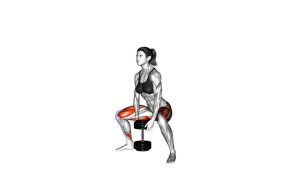
The Weighted Counterbalanced Squat is particularly useful for developing squat technique, lower-body coordination, and controlled movement through a comfortable range of motion. Because the weight stays in front of the torso, it changes the body’s balance demands during the squat. As a result, some lifters find it easier to descend while keeping their chest relatively upright. Meanwhile, the quadriceps control knee flexion during the descent and extend the knees during the ascent. The glutes also contribute as the hips extend toward the standing position. Additionally, the shoulders and core work to stabilize the forward-held plate. However, the weight should remain manageable because the extended-arm position can fatigue the shoulders.
Quick Overview
| Body Part | Legs |
|---|---|
| Primary Muscle | Quadriceps (rectus femoris, vastus lateralis, vastus medialis, and vastus intermedius) |
| Secondary Muscle | Gluteus maximus, adductor magnus, hamstrings, calves, abdominal stabilizers, spinal erectors, and anterior deltoids |
| Equipment | Weight plate held with both hands; optional squat wedges or firm, non-slip exercise flooring |
| Difficulty | Beginner to Intermediate, depending on squat mobility, plate weight, shoulder endurance, and balance control |
Sets & Reps (By Goal)
The ideal training volume depends on your experience, movement quality, and available resistance. Therefore, begin with a plate you can hold steadily throughout every repetition. In addition, prioritize consistent squat depth and smooth knee tracking before increasing difficulty.
Recommended Training Volume
- Strength and technique: 3–4 sets × 6–10 reps with a controlled descent and 90–120 seconds of rest. Focus on strong, coordinated hip and knee extension rather than heavy plate loading.
- Muscle hypertrophy: 3–4 sets × 10–15 reps with a moderate plate and 60–90 seconds of rest. Maintain consistent tension through the legs while preventing excessive shoulder fatigue.
- Muscular endurance: 2–3 sets × 15–20 reps with a lightweight plate and 45–60 seconds of rest. Keep the movement rhythm steady without sacrificing posture or depth.
- Mobility and squat control: 2–3 sets × 6–10 reps with a 2–3-second pause near the bottom. Use comfortable depth and deliberate movements to practice balance and positioning.
- Rehabilitation-style practice: 1–3 sets × 5–8 controlled reps with minimal resistance and 60–90 seconds of rest. Use this approach only when appropriate for your condition and professional guidance.
Tempo and Progressive Overload
For most beginners, a 3-second descent, brief bottom pause, and controlled ascent provides useful technique practice. Additionally, slowing the lowering phase can help you recognize changes in balance and knee position. Once your repetitions become consistent, gradually increase repetitions or pause duration. Afterward, consider a slightly heavier plate if your arms and torso remain stable. However, excessive plate weight may shift the training limitation from your legs to your shoulders.
Progression rule: Improve squat depth, stability, and movement consistency before increasing resistance. If the plate begins dropping, your torso collapses forward, or your heels lift unintentionally, reduce the difficulty and restore proper control.
Setup / Starting Position
Correct positioning allows the weight plate to counterbalance your body without disrupting natural squat mechanics. Therefore, establish your stance and grip before beginning the first repetition.
Foot Placement and Weight Plate Position
- Select an appropriate weight plate: Choose a lightweight plate that you can securely hold with both hands. Ideally, its weight should allow your arms to remain extended without excessive shoulder strain.
- Stand with a balanced stance: Position your feet approximately shoulder-width apart. Turn your toes slightly outward if this provides a more comfortable path for your knees.
- Grip the plate securely: Hold the plate firmly with both hands, using its grip openings or outer edges as appropriate. Additionally, keep your wrists reasonably straight and your grip symmetrical.
- Extend your arms forward: Raise the plate directly in front of your body to approximately shoulder height. Keep your elbows nearly straight without aggressively locking the joints.
- Establish neutral posture: Lift your chest comfortably while keeping your ribs aligned over your pelvis. Meanwhile, maintain a natural spinal position rather than excessively arching your lower back.
- Brace your abdominal muscles: Create gentle abdominal tension to stabilize your torso. Keep your shoulders controlled and avoid elevating them toward your ears.
- Prepare for the descent: Distribute pressure through your heels, the bases of your big toes, and the bases of your little toes. Finally, look forward with your head aligned naturally over your torso.
Final Starting Position Checklist
Before descending, confirm that your weight is balanced between both feet. Your knees should be free to bend naturally, while the plate remains steady in front. Furthermore, your shoulders should feel engaged but not strained. If holding the plate already causes significant fatigue, select a lighter weight.
Setup tip: Practice several unloaded squats before adding the plate. Consequently, you can identify a comfortable stance and squat depth without additional balance demands.
Execution (Step-by-Step)
The movement consists of a controlled downward squat, a stable bottom position, and a coordinated return to standing. Throughout the repetition, the weight plate remains extended in front of the body.
Descent and Bottom Position
- Initiate the squat: Begin bending your knees and hips together while maintaining a stable torso. Allow your hips to move backward and downward instead of pushing them excessively behind you.
- Maintain the forward counterbalance: Keep the plate approximately at shoulder height with both arms extended. Meanwhile, prevent it from swinging or dropping as your body moves downward.
- Lower your hips under control: Continue bending your knees while allowing them to travel naturally in the direction of your toes. Keep your feet planted and distribute pressure across the whole foot.
- Maintain your torso position: Keep your chest relatively upright while preserving a comfortable, natural spinal alignment. Although a small forward torso inclination is normal, avoid excessive rounding or collapsing.
- Reach your comfortable squat depth: Descend until your hips reach a depth that your mobility and control allow. In the demonstrated variation, the athlete reaches a deep squat with the hips below knee level. However, that depth is not mandatory for every individual.
- Stabilize at the bottom: Pause briefly without bouncing or relaxing your abdominal brace. During this position, keep your knees aligned, heels supported, and plate steady.
- Begin the upward movement: Push firmly through your feet while extending your knees and hips together. As a result, your body rises smoothly without relying on arm momentum.
- Return to standing: Continue extending your legs until you reach an upright position. Keep your abdominal muscles engaged and avoid leaning backward at the top.
- Reset before the next repetition: Maintain the plate in front of your shoulders while restoring your balance and breathing. Finally, repeat with the same controlled tempo and comfortable squat depth.
Breathing and Movement Control
Inhale before or during the controlled descent while maintaining appropriate abdominal tension. Then, exhale during the upward phase without releasing all torso stability. Additionally, avoid holding your breath excessively during longer sets, especially if you are a beginner.
The plate should remain relatively steady as your hips and knees move. Therefore, select a weight that allows you to maintain proper arm positioning throughout the set. Rather than chasing maximum depth, emphasize smooth movement and balanced foot pressure.
Pro Tips & Common Mistakes
Small adjustments can make the Weighted Counterbalanced Squat more comfortable and effective. However, the forward plate position should support your movement rather than become an additional obstacle.
Pro Tips for Better Squat Technique
- Keep the plate extended forward: Maintain approximately shoulder-height positioning throughout the repetition. Consequently, the counterbalance remains consistent as your hips travel downward.
- Start with a manageable weight: A lightweight plate is often sufficient for learning the movement. Additionally, lighter resistance helps prevent excessive shoulder fatigue.
- Maintain balanced foot pressure: Press through the entire foot instead of shifting onto your toes. As a result, your body remains more stable during the descent and ascent.
- Allow natural knee movement: Let your knees travel forward as needed while following the direction of your toes. However, avoid forcing an uncomfortable knee position.
- Control the lowering phase: Descend smoothly rather than dropping quickly into the squat. Furthermore, a slower tempo makes it easier to detect balance or posture errors.
- Use appropriate squat depth: Lower only as far as your current mobility and control permit. Over time, comfortable depth may improve through consistent practice.
- Coordinate the upward movement: Extend your knees and hips together while keeping the weight plate steady. Meanwhile, avoid lifting the plate higher to help yourself stand.
- Maintain abdominal tension: Brace your core lightly to support torso stability. Nevertheless, continue breathing comfortably throughout the exercise.
Common Mistakes to Avoid
- Using an excessively heavy plate: Heavy resistance can cause shoulder fatigue and disturb the counterbalance. Instead, choose a plate that remains easy to control.
- Dropping the arms during descent: Lowering the plate changes the intended weight distribution. Therefore, maintain consistent forward arm positioning.
- Allowing the knees to collapse inward: Uncontrolled inward knee movement can reduce stability. Keep your knees tracking comfortably in line with your feet.
- Rounding the lower back excessively: Forcing unnecessary squat depth may cause significant pelvic or spinal compensation. Consequently, reduce depth if your torso position becomes difficult to control.
- Lifting the heels unintentionally: Excessive forward weight shifting may reduce balance. Instead, adjust your stance, depth, or ankle mobility demands.
- Bouncing at the bottom: Rapidly reversing direction can reduce control. Use a brief, steady pause when practicing squat mechanics.
- Leaning backward at the finish: Excessive backward extension may disturb spinal alignment. Finish tall with your ribs comfortably aligned over your pelvis.
FAQ
Technique and Muscles Worked
What muscles does the Weighted Counterbalanced Squat work?
The Weighted Counterbalanced Squat primarily targets the quadriceps, which extend the knees during the upward phase. Additionally, the gluteus maximus and adductor magnus assist with hip extension. Meanwhile, the core and spinal stabilizers help maintain torso position. The anterior deltoids also work isometrically to support the forward-held weight plate.
What is the purpose of holding the weight plate in front?
The forward plate creates a counterbalance that changes how the body distributes its weight. Consequently, some lifters can maintain a more upright torso during the squat. Additionally, this position may make certain squat depths easier to practice. However, the plate does not automatically correct poor technique or limited mobility.
Is the Weighted Counterbalanced Squat different from a goblet squat?
Yes. During a goblet squat, the weight normally stays close to the chest. In contrast, the Weighted Counterbalanced Squat uses extended arms to position the weight farther in front of the torso. Therefore, the two variations produce different balance and shoulder-stabilization demands.
How deep should I squat during this exercise?
Lower into the deepest position you can control comfortably while keeping your feet supported. Although the demonstration shows a deep squat, not everyone needs to reach that depth immediately. Instead, prioritize stable knees, controlled hips, and comfortable spinal positioning. As your mobility and strength improve, you may gradually explore a greater range.
Programming and Exercise Progression
Is the Weighted Counterbalanced Squat suitable for beginners?
Yes, this exercise can be beginner-friendly when performed with an appropriately light plate. Additionally, the counterbalance may help some beginners practice squat positioning. However, holding the plate away from the torso increases shoulder demands. Therefore, beginners should first demonstrate a comfortable bodyweight squat and secure plate grip.
Can the Weighted Counterbalanced Squat improve squat mobility?
It can help you practice controlled squat depth and become more familiar with lower-body positioning. Furthermore, the counterbalance may allow some individuals to explore a comfortable deeper squat. Nevertheless, it does not directly resolve every ankle, hip, or balance limitation. For best results, combine controlled squats with appropriate mobility and strength exercises.
How heavy should the weight plate be?
Choose a plate that allows your arms to stay steady for the entire set. Initially, a very light plate may provide enough counterbalance for technique practice. Afterward, increase resistance gradually if your squat mechanics remain consistent. However, avoid using weights that cause shoulder discomfort or excessive trunk compensation.
Can I use this squat to build muscle?
Yes, the movement trains the quadriceps and glutes through repeated hip and knee extension. Additionally, controlled repetitions can contribute to muscular endurance and lower-body conditioning. However, shoulder fatigue may limit the load your legs can handle. Therefore, heavier squat variations may be more practical for long-term maximal strength or hypertrophy.
Safety and Common Concerns
Why do my heels lift during the Weighted Counterbalanced Squat?
Heel lifting may result from stance selection, limited ankle mobility, balance changes, or attempting a depth beyond your current control. First, try a comfortable stance and reduce the squat depth. Additionally, maintain pressure across the entire foot. If necessary, suitable squat wedges may help modify ankle-position demands during practice.
Why do my shoulders become tired before my legs?
Holding a plate with extended arms creates a sustained demand on the shoulder muscles. Consequently, your anterior deltoids may fatigue before the quadriceps and glutes. To reduce this limitation, select a lighter plate or perform shorter sets. Alternatively, use another squat variation when greater leg loading is the priority.
Should I perform Weighted Counterbalanced Squats if I have knee pain?
Knee discomfort requires an individualized approach because symptoms have many possible causes. Although squatting can be appropriate for some people, loading and depth should remain tolerable. Therefore, avoid forcing painful repetitions or relying on the counterbalance to overcome symptoms. If pain persists, consult a qualified healthcare professional before continuing.
Recommended Equipment
The Weighted Counterbalanced Squat requires only a securely held weight plate. Nevertheless, additional training accessories can support technique practice, gradual progression, and a stable workout environment.
- Weight Plate with Grip Handles — provides a secure two-handed grip for maintaining the forward counterbalance throughout each repetition
- Lightweight Exercise Weight Plates — useful for beginners learning squat positioning without excessive shoulder or grip fatigue
- Squat Heel Wedges — optional heel-elevation tools that can modify ankle demands and support selected squat variations
- Mini Resistance Bands — useful for supplementary glute activation, lateral walks, and lower-body warm-up exercises
- Non-Slip Rubber Gym Flooring Mat — provides a firm training surface with traction for controlled squats and other lower-body exercises
Equipment tip: Prioritize a secure plate grip, manageable resistance, and stable footing. Furthermore, choose firm flooring rather than thick, unstable foam surfaces. If additional equipment changes your balance or causes discomfort, discontinue its use and reassess your setup.