Barbell Sumo Deadlift: Proper Form, Muscles Worked, Sets, Tips & FAQ
Learn the Barbell Sumo Deadlift for stronger glutes, adductors, quads, and posterior chain with step-by-step form, sets, mistakes, and equipment.
Barbell Sumo Deadlift
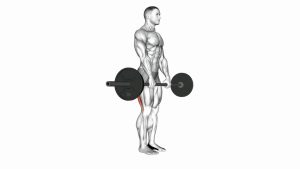
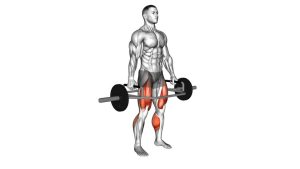
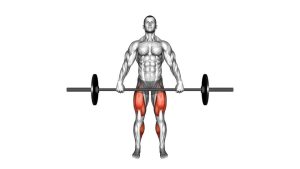
The Barbell Sumo Deadlift works best when the setup is precise and the pull is controlled from the floor. Because the stance is wide, the hips start closer to the bar and the torso stays more upright. This makes the movement especially useful for building lower-body strength, improving hip drive, and targeting the inner thighs and glutes. Each rep should begin with tight bracing, knees pushed outward, and the bar positioned over the midfoot.
Quick Overview
| Body Part | Legs |
|---|---|
| Primary Muscle | Glutes, adductors, quadriceps |
| Secondary Muscle | Hamstrings, lower back, traps, forearms, core stabilizers |
| Equipment | Barbell, weight plates, optional lifting belt, chalk, and flat shoes |
| Difficulty | Intermediate |
Sets & Reps (By Goal)
- Strength: 3–5 sets × 3–5 reps with heavier weight and 2–4 minutes rest.
- Muscle growth: 3–4 sets × 6–10 reps with controlled tempo and 90–150 seconds rest.
- Technique practice: 3–5 sets × 3–6 reps using light-to-moderate weight and clean form.
- Beginner progression: 2–3 sets × 5–8 reps with a light barbell or elevated bar position.
- Posterior-chain conditioning: 2–4 sets × 8–12 reps with moderate load and strict positioning.
Progression rule: Add weight only when every rep starts from a stable setup, the bar stays close to the body, and the hips and knees lock out together without lower-back compensation.
Setup / Starting Position
- Set a wide stance: Stand with your feet wider than shoulder-width, with toes turned outward slightly.
- Position the bar: Place the barbell over the midfoot so it stays close to your body before the pull begins.
- Grip inside the knees: Reach down and grip the bar with both hands inside your legs using a double-overhand, mixed, or hook grip.
- Push the knees out: Open the hips and drive the knees in line with the toes to create space for the torso.
- Brace the core: Take a deep breath, tighten your midsection, and keep your ribs stacked over your pelvis.
- Set the back: Keep the spine neutral, chest proud, shoulders slightly in front of the bar, and lats tight.
- Create tension: Pull the slack out of the bar before lifting so the body feels connected to the weight.
Setup tip: Your hips should not be extremely low like a squat or too high like a stiff-leg deadlift. Find the position where your shins are near vertical, knees are pushed out, and you can push through the floor powerfully.
Execution (Step-by-Step)
- Brace before the pull: Lock in your core, keep your chest tall, and maintain full-body tension.
- Push the floor away: Begin the lift by driving through the feet instead of yanking the bar upward with the arms.
- Keep the bar close: Let the bar travel straight up while staying close to the shins and thighs.
- Extend the knees and hips together: As the bar rises, keep the knees out and bring the hips forward smoothly.
- Pass the knees with control: Once the bar clears the knees, squeeze the glutes and finish the hip extension.
- Lock out tall: Stand fully upright with hips and knees extended, shoulders stacked over hips, and glutes tight.
- Lower with control: Push the hips back slightly, guide the bar down close to the body, and return it to the floor under control.
- Reset each rep: Re-brace, check your stance, and rebuild tension before starting the next repetition.
Pro Tips & Common Mistakes
- Push, do not yank: Start the lift by pushing your feet into the floor, not by pulling with your arms.
- Keep the knees out: Letting the knees cave inward reduces hip power and may stress the knees.
- Use your lats: Think about pulling the bar toward your body to keep it close and stable.
- Avoid over-leaning at lockout: Finish tall by squeezing the glutes, not by leaning backward through the lower back.
- Do not squat the deadlift: The hips should be lower than a conventional deadlift, but the movement is still a hinge-and-pull pattern.
- Control the descent: Dropping the bar without control can reduce training quality and make each rep harder to reset.
- Use flat shoes: Flat, stable footwear improves balance and keeps the pull efficient.
- Check stance width: Too wide may limit power, while too narrow may reduce the sumo advantage.
FAQ
What muscles does the Barbell Sumo Deadlift work?
The Barbell Sumo Deadlift mainly works the glutes, adductors, and quadriceps. It also trains the hamstrings, lower back, traps, forearms, and core as stabilizing muscles.
Is the sumo deadlift better than the conventional deadlift?
It depends on your body structure, goal, and comfort. The sumo deadlift usually uses a wider stance and a more upright torso, while the conventional deadlift often places more demand on the hamstrings and lower back. Both are effective strength exercises.
Should beginners do the Barbell Sumo Deadlift?
Beginners can learn the Barbell Sumo Deadlift if they start light and focus on setup, bracing, and bar path. A coach, mirror, or video review can help confirm that the hips, knees, and spine stay in safe alignment.
Why do I feel the sumo deadlift in my inner thighs?
Feeling the inner thighs is normal because the wide stance strongly involves the adductors. However, sharp groin pain or hip pinching is not normal and may mean your stance is too wide or your hips need more mobility work.
How wide should my stance be for a sumo deadlift?
Your stance should be wide enough that your hands can grip inside the knees while your knees track over your toes. Avoid forcing an extreme stance. Choose the width that lets you keep balance, tension, and a neutral spine.
Why does my lower back hurt during sumo deadlifts?
Lower-back discomfort may come from poor bracing, rounding the spine, letting the bar drift forward, or starting with the hips too high. Reduce the weight and focus on keeping the bar close, the core tight, and the spine neutral.
Recommended Equipment
- Olympic Barbell — essential for performing standard barbell sumo deadlifts with progressive loading.
- Bumper Plates — useful for consistent bar height and safer deadlift practice from the floor.
- Deadlift Jack — helps load and unload plates more easily during heavy deadlift sessions.
- Weightlifting Belt — supports stronger bracing during heavy sets when used correctly.
- Lifting Chalk — improves grip security and reduces slipping during heavier pulls.
Equipment tip: Flat shoes, chalk, and a stable barbell setup can make the Barbell Sumo Deadlift feel cleaner and more controlled, especially when the weights become heavier.