Weighted Plate Lying Crunch: Form, Sets, Tips & Core Benefits
Learn the Weighted Plate Lying Crunch for stronger abs with safe form, controlled reps, setup cues, common mistakes, FAQs, and equipment tips
Weighted Plate Lying Crunch
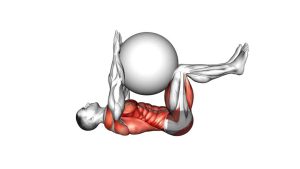
This exercise works best when the weight supports the crunch instead of creating momentum. Because the plate adds resistance, every rep should stay slow, compact, and controlled. Moreover, the goal is to lift the shoulder blades from the floor while keeping the lower body quiet and stable.
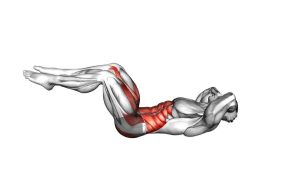
Unlike a full sit-up, the Weighted Plate Lying Crunch does not require the entire torso to rise. Instead, the visible movement is a small upper-abdominal curl. Therefore, the abs should do the work while the hips, legs, and arms remain steady.
Quick Overview
| Body Part | Abs |
|---|---|
| Primary Muscle | Rectus abdominis |
| Secondary Muscle | Obliques, deep core stabilizers, hip flexors lightly for position control |
| Equipment | Weight plate and exercise mat recommended |
| Difficulty | Beginner to intermediate, depending on plate weight and control |
Sets & Reps (By Goal)
- Core strength: 3–4 sets × 8–12 reps with a moderate plate and controlled tempo.
- Muscle endurance: 2–3 sets × 12–20 reps with a lighter plate and steady breathing.
- Beginner technique: 2–3 sets × 8–10 reps using a very light plate or no weight first.
- Finisher workout: 2 sets × 15–25 reps with strict form and no swinging.
Progression rule: Add reps first, then add plate weight. However, only increase resistance when you can keep the plate stable and lift through the abs without jerking.
Setup / Starting Position
- Lie on your back: Start flat on the floor or on an exercise mat.
- Bend your knees: Keep both feet planted on the ground so the lower body stays stable.
- Hold the plate: Grip the weight plate with both hands and position it over the chest or slightly above the chest line.
- Set the neck: Keep the head relaxed and avoid pulling the chin aggressively toward the chest.
- Brace lightly: Before lifting, tighten the abs enough to control the first inch of movement.
Tip: If the plate feels unstable, reduce the weight. A controlled light plate is better than a heavy plate that forces swinging.
Execution (Step-by-Step)
- Start from the floor: Keep your knees bent, feet planted, and plate steady over your chest.
- Exhale and curl upward: Lift your head and shoulders off the floor by contracting your abs.
- Move the plate with your torso: Let the plate travel slightly upward and forward, but do not swing it.
- Pause at the top: Stop when your shoulder blades are lifted and your abs feel fully engaged.
- Lower with control: Return your upper back, shoulders, and head toward the floor slowly.
- Reset before the next rep: Keep the feet planted and repeat with the same compact range.
Pro Tips & Common Mistakes
Pro Tips
- Keep the range short: Lift the shoulder blades instead of sitting all the way up.
- Control the plate: Hold the plate steady so the abs create the movement, not arm momentum.
- Exhale on the lift: Breathing out helps the ribs come down and the abs contract harder.
- Lower slowly: The descent builds control and prevents the body from dropping to the floor.
- Use a mat: A mat improves comfort, especially when repeating multiple sets.
Common Mistakes
- Using too much weight: A heavy plate often causes swinging, neck tension, or poor range.
- Turning it into a sit-up: Rising too high shifts focus away from the compact crunch pattern.
- Pulling with the arms: The plate should move with the torso, not drive the torso upward.
- Rushing the reps: Fast reps reduce abdominal tension and make form harder to control.
- Lifting the feet: Keep the feet planted so the lower body remains stable.
FAQ
What muscles does the Weighted Plate Lying Crunch work?
The main target is the rectus abdominis, which helps flex the spine during the crunch. Additionally, the obliques and deep core muscles assist with stability while the weight plate increases resistance.
Is the Weighted Plate Lying Crunch good for beginners?
Yes, but beginners should start with a very light plate or practice the movement without weight first. Once the crunch stays smooth and controlled, a light plate can be added gradually.
How heavy should the plate be?
Choose a plate that lets you complete every rep without swinging or straining the neck. For most people, a lighter plate is better at first because the goal is strict abdominal control.
Should I lift my whole back off the floor?
No. Based on the visible movement, this exercise uses a compact crunch range. Lift the head and shoulders, then stop when the shoulder blades come off the floor and the abs are strongly engaged.
Why do I feel it in my neck?
Neck tension often happens when the plate is too heavy, the reps are rushed, or the head leads the movement too aggressively. Reduce the weight, slow down, and think about curling from the ribs instead of pulling the head forward.
Recommended Equipment
- Weight Plate — the main resistance tool for this weighted crunch variation.
- Rubber-Coated Weight Plate — easier to grip and more comfortable for floor-based core work.
- Thick Exercise Mat — supports the back and improves comfort during repeated crunch sets.
- Ab Workout Mat — helps create a more comfortable setup for controlled floor crunches.
- Adjustable Dumbbell Set — useful alternative resistance if a weight plate is not available.
Tip: Choose equipment that helps you control the movement. If the load makes your plate swing or your neck tense, the weight is too heavy for this exercise.