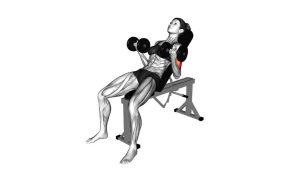
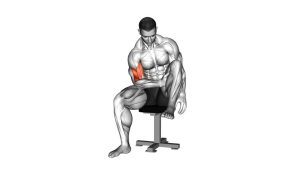
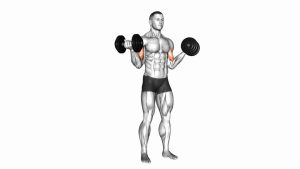
Barbell Drag Curl: Proper Form, Muscles Worked, Sets, Tips & FAQ
Learn how to do the Barbell Drag Curl with proper form to target the biceps, especially the long head. Includes muscles worked, setup, step-by-step execution, sets and reps by goal, common mistakes, FAQs, and recommended equipment.
Barbell Drag Curl
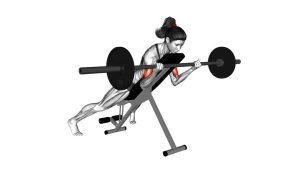
The Barbell Drag Curl is ideal for lifters who want a more controlled arm exercise that emphasizes biceps contraction over swinging the weight. Because the bar stays close to the body and the elbows drift behind the torso, the movement changes the resistance profile compared to a standard curl and can be a great option for improving biceps peak development, strict curl mechanics, and mind-muscle connection.
Quick Overview
| Body Part | Biceps |
|---|---|
| Primary Muscle | Biceps brachii (especially the long head) |
| Secondary Muscle | Brachialis, brachioradialis, forearm flexors |
| Equipment | Barbell (straight bar or EZ-curl bar variation can also be used) |
| Difficulty | Beginner to Intermediate |
Sets & Reps (By Goal)
- Muscle growth: 3–4 sets × 8–12 reps with controlled tempo and a hard squeeze at the top
- Strength-focused arm work: 3–5 sets × 5–8 reps using strict form and full control
- Technique practice / mind-muscle connection: 2–3 sets × 10–15 reps with lighter weight
- Finisher after back or arm training: 2–3 sets × 12–15 reps with short rest
Progression rule: Increase reps first, then add small amounts of weight while keeping the bar in contact with or very close to the torso throughout the rep.
Setup / Starting Position
- Stand tall: Place your feet about hip-width apart and brace your core.
- Grip the bar: Use a shoulder-width underhand (supinated) grip.
- Let the bar hang at the thighs: Start with arms extended and the bar resting close to the upper thighs.
- Set the shoulders: Keep the chest up, shoulders down, and avoid rounding forward.
- Prepare the elbows: Think about keeping the elbows slightly back rather than letting them drift forward during the curl.
Tip: The setup should feel stable and quiet. If you already feel the need to lean back before the curl starts, the load is probably too heavy.
Execution (Step-by-Step)
- Start the curl by dragging the bar upward: Pull the bar straight up along the front of your torso rather than outward in an arc.
- Move the elbows back slightly: As the bar rises, allow the elbows to travel behind the body just enough to maintain the drag path.
- Keep the bar close: The bar should stay in contact with or very near your shirt from the thighs toward the lower chest or upper abdomen.
- Squeeze at the top: When the bar reaches the top position, contract the biceps hard without shrugging the shoulders.
- Lower under control: Reverse the movement slowly, guiding the bar back down the same close path until the arms are straight again.
Pro Tips & Common Mistakes
- Keep the bar close to the torso: That close drag path is what makes this variation unique.
- Lead with the elbows slightly back: This helps emphasize the long head of the biceps.
- Don’t turn it into a swing curl: Avoid hip drive, torso rocking, or excessive lean-back.
- Use moderate weight: Too much load usually causes the bar to drift forward and the shoulders to take over.
- Control the lowering phase: The eccentric is where you can build more tension and quality stimulus.
- Keep wrists neutral: Don’t over-curl the wrists just to move the bar higher.
- Avoid shrugging: Upper traps should not dominate the movement.
FAQ
What muscles does the Barbell Drag Curl work?
It primarily targets the biceps brachii, especially the long head. It also involves the brachialis, brachioradialis, and forearm muscles for support.
Is the Barbell Drag Curl better than a regular barbell curl?
It is not automatically better, but it is different. The drag curl keeps the bar close to the body and shifts the movement pattern to emphasize strict biceps tension and reduce momentum. It works very well as a variation in an arm-building program.
Should the elbows stay pinned in place?
Not completely. In a drag curl, the elbows usually move slightly backward as the bar travels upward. That elbow path is part of what makes the exercise effective.
How heavy should I go on drag curls?
Use a load that lets you keep the bar close to the torso without swinging or leaning back. Most people should use a bit less weight than they would for a looser standard barbell curl.
Can beginners do Barbell Drag Curls?
Yes. Beginners can learn it well with light to moderate weight. Start by mastering the bar path and elbow motion before chasing heavier loads.
Recommended Equipment
- Olympic Barbell — the main tool for performing standard barbell drag curls
- Weight Plates Set — allows gradual load progression while keeping your form strict
- EZ Curl Bar — a joint-friendlier alternative for lifters who feel wrist discomfort with a straight bar
- Weightlifting Gloves or Grip Pads — optional support for grip comfort during higher-rep arm sessions
- Home Gym Mirror — useful for checking bar path, elbow position, and torso control during drag curls
Tip: For most lifters, a standard barbell plus manageable plates is all you need. Technique matters much more than loading this exercise too aggressively.