Seated Alternating Dumbbell Biceps Curl: Form, Muscles Worked, Sets, Tips & FAQ
Learn how to perform the Seated Alternating Dumbbell Biceps Curl with proper form. Discover muscles worked, setup, step-by-step execution, sets and reps by goal, common mistakes, FAQs, and recommended equipment.
Seated Alternating Dumbbell Biceps Curl
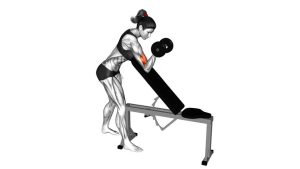
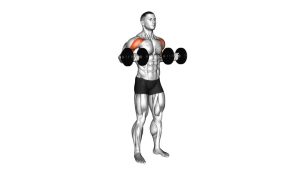
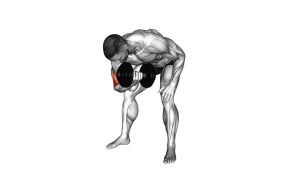
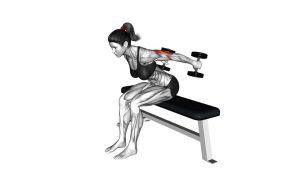
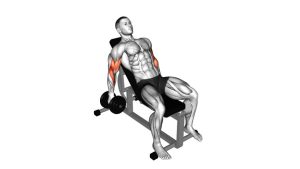
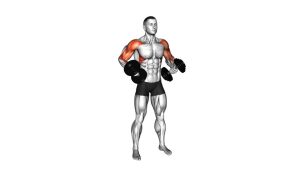
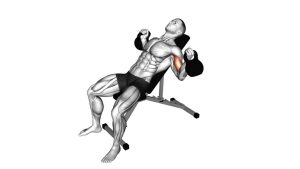
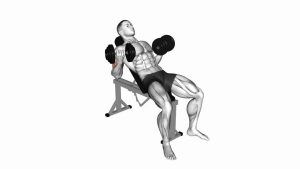
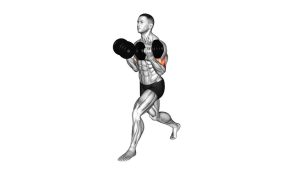
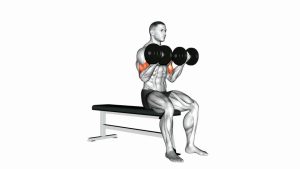
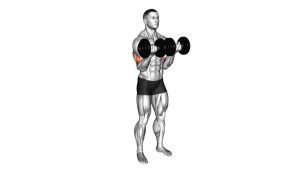
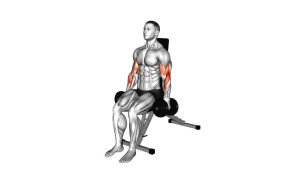
This exercise is ideal for lifters who want to isolate the biceps without excessive help from the hips or lower back. Because you are seated, it becomes easier to control the tempo, minimize cheating, and focus on each arm individually. Use a full but comfortable range of motion, rotate the wrist into a supinated position as the dumbbell rises, and lower the weight under control for maximum tension.
Quick Overview
| Body Part | Biceps |
|---|---|
| Primary Muscle | Biceps brachii |
| Secondary Muscle | Brachialis, brachioradialis, forearms |
| Equipment | Dumbbells and flat bench or seat |
| Difficulty | Beginner to Intermediate |
Sets & Reps (By Goal)
- Muscle growth: 3–4 sets × 8–12 reps per arm, 60–90 sec rest
- General arm strength: 3–5 sets × 6–10 reps per arm, 90 sec rest
- Muscle endurance / pump work: 2–3 sets × 12–15 reps per arm, 45–60 sec rest
- Technique practice: 2–3 sets × 10–12 controlled reps per arm with lighter weight
Progression rule: Increase weight only when you can complete every rep with clean form, full control, and no torso rocking.
Setup / Starting Position
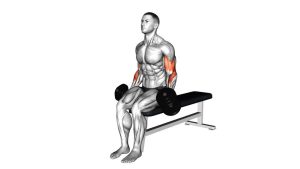
- Sit tall on a bench: Place your feet flat on the floor and keep your spine neutral.
- Hold a dumbbell in each hand: Let the arms hang naturally at your sides with a neutral grip.
- Set your shoulders: Pull them slightly back and down to keep the chest open.
- Keep elbows close: Your elbows should stay near the torso throughout the movement.
- Brace lightly: Tighten your core just enough to keep the body still during each curl.
Tip: Start with a load you can control smoothly. This exercise works better with strict execution than with heavy cheating reps.
Execution (Step-by-Step)
- Begin from the bottom: Sit upright with both arms extended and dumbbells at your sides.
- Curl one dumbbell up: Flex the elbow and rotate the palm upward as the weight rises.
- Keep the elbow still: Do not let it drift too far forward or away from your body.
- Squeeze at the top: Bring the dumbbell near shoulder height and contract the biceps briefly.
- Lower under control: Slowly return the dumbbell to the starting position.
- Repeat on the opposite side: Curl the other dumbbell while keeping the non-working arm still.
- Continue alternating: Maintain a smooth rhythm until all reps are complete.
Pro Tips & Common Mistakes
- Use full control: Lift smoothly and lower slowly to keep tension on the biceps.
- Rotate the wrist naturally: Supinate on the way up for a stronger contraction.
- Don’t swing the torso: Stay tall and avoid using momentum to finish reps.
- Keep elbows tucked: Excessive elbow movement turns the curl into a front-delt-assisted lift.
- Don’t rush the lowering phase: The eccentric portion is valuable for muscle growth.
- Use matching form on both sides: Alternating reps are excellent for spotting strength imbalances.
FAQ
What muscles does the seated alternating dumbbell biceps curl work?
It mainly targets the biceps brachii, while the brachialis, brachioradialis, and forearm muscles assist during the curl.
Is seated better than standing for dumbbell curls?
Seated curls often make it easier to reduce momentum and focus on strict biceps work. Standing curls can allow heavier loading, but seated curls usually provide better isolation.
Should I curl both arms together or alternate them?
Alternating reps can help improve control, focus, and side-to-side balance. Curling both arms together can be efficient, but alternating often makes technique easier to manage.
How heavy should I go?
Choose a weight that lets you complete your target reps with clean form, steady posture, and no body swing. If you need to rock your torso to lift the dumbbell, it is too heavy.
Can beginners do this exercise?
Yes. It is one of the best beginner-friendly biceps exercises because the seated position helps control the movement and makes it easier to learn proper arm mechanics.
Recommended Equipment
- Amazon Basics Adjustable Dumbbell Hand Weight Set with Storage Case — practical for home lifters who want adjustable resistance without buying multiple dumbbell pairs
- FLYBIRD Adjustable Weight Bench — a stable adjustable bench that works well for seated dumbbell arm training and other upper-body exercises
- ATERCEL Workout Gloves — useful for grip comfort, palm protection, and reducing hand fatigue during repeated curls
- CAP Barbell Dumbbell Rack — helps organize dumbbells safely and keeps your training space cleaner
Tip: For this exercise, prioritize a comfortable bench height, a dumbbell weight you can control strictly, and enough grip security to keep every rep smooth.