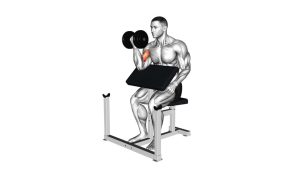
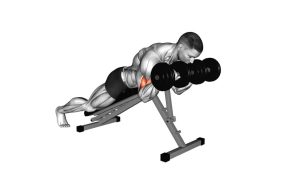
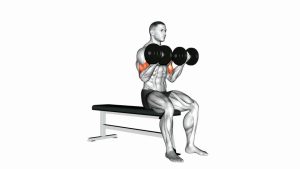
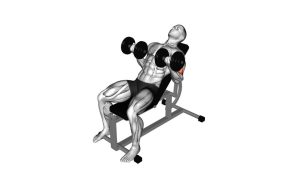
Dumbbell Biceps Curl: Proper Form, Sets, Reps, Tips & FAQ
Learn how to do the Dumbbell Biceps Curl with proper form for stronger, bigger arms. Includes step-by-step execution, sets and reps by goal, common mistakes, FAQs, and recommended equipment.
Dumbbell Biceps Curl
This movement is simple, effective, and highly versatile for lifters at almost any training level. The dumbbell setup allows each arm to work independently, which can help reduce side-to-side imbalances while giving you a strong biceps contraction through a full range of motion. To get the most from the exercise, avoid swinging the torso, keep your wrists stable, and focus on smooth elbow flexion instead of using momentum.
Quick Overview
| Body Part | Biceps |
|---|---|
| Primary Muscle | Biceps brachii |
| Secondary Muscle | Brachialis, brachioradialis, forearm flexors |
| Equipment | Pair of dumbbells |
| Difficulty | Beginner to Intermediate |
Sets & Reps (By Goal)
- Muscle growth (hypertrophy): 3–4 sets × 8–12 reps with 60–90 sec rest
- Strength focus: 4–5 sets × 5–8 reps with 90–120 sec rest
- Muscular endurance / tone: 2–3 sets × 12–20 reps with 30–60 sec rest
- Beginner practice: 2–3 sets × 10–12 reps using light-to-moderate weight
Progression rule: Increase reps first while keeping form strict, then raise the dumbbell load gradually once you can complete all sets without swinging or shortening the range.
Setup / Starting Position
- Stand tall: Place your feet about hip-width to shoulder-width apart and brace your core lightly.
- Hold the dumbbells at your sides: Let your arms hang fully extended with a neutral or slightly supinated grip.
- Set your posture: Keep your chest up, shoulders down and back, and neck neutral.
- Tuck the elbows in: Keep your elbows close to your torso so the upper arms stay mostly fixed.
- Prepare the wrists: Keep them straight and stable to avoid unnecessary forearm strain.
Tip: Before the first rep, think “curl with the elbows, not the shoulders.” This helps keep the movement strict and biceps-dominant.
Execution (Step-by-Step)
- Start from full extension: Hold the dumbbells at your sides with your arms straight and elbows pinned near the body.
- Curl the weights upward: Flex your elbows and bring the dumbbells up in a smooth arc toward shoulder level.
- Supinate as needed: Turn the palms more fully upward during the curl to maximize biceps involvement.
- Squeeze at the top: Briefly contract the biceps when the dumbbells reach the top position without letting the shoulders take over.
- Lower with control: Slowly return the dumbbells to the starting position until the arms are fully extended again.
Pro Tips & Common Mistakes
- Keep the elbows tucked: Excessive elbow drift turns the movement into more of a front-delt-assisted curl.
- Control the lowering phase: The eccentric portion is valuable for muscle growth, so do not let the dumbbells drop.
- Avoid torso swinging: Leaning back or using momentum reduces biceps tension and increases cheating.
- Use a full range of motion: Start from full arm extension and curl high enough to fully shorten the biceps.
- Do not overflex the wrists: Keep them neutral to reduce strain and improve force transfer.
- Choose the right load: A slightly lighter dumbbell with strict form is usually more effective than a heavy weight with sloppy reps.
FAQ
What muscles does the dumbbell biceps curl work?
The primary target is the biceps brachii. It also involves the brachialis, brachioradialis, and supporting forearm muscles that help control the dumbbells.
Is the dumbbell biceps curl better than the barbell curl?
Both are effective. Dumbbells allow a more natural arm path, help address imbalances between sides, and often feel easier on the wrists for many lifters.
Should I curl both dumbbells at the same time or alternate them?
Either option works. Curling both together can save time and keep the workout flowing, while alternating reps may help you focus on one arm at a time and maintain stricter control.
How heavy should I go on dumbbell curls?
Use a weight that lets you complete all prescribed reps with clean form, no torso swing, and controlled lowering. If your elbows move excessively or you need momentum, go lighter.
Can beginners do dumbbell biceps curls?
Yes. This is one of the most beginner-friendly arm exercises. Start with light dumbbells, master technique first, and gradually increase resistance as your control improves.
Recommended Equipment
- Adjustable Dumbbells — versatile option for progressive overload without needing a full rack of weights
- Fixed Neoprene or Rubber Dumbbells — convenient for beginners, home workouts, and lighter-volume arm training
- Weightlifting Gloves — can improve grip comfort and reduce palm irritation during higher-rep sets
- Adjustable Weight Bench — useful if you want to pair curls with seated, incline, or concentration curl variations
- Resistance Bands Set — helpful for warm-ups, pump-finisher sets, or adding variety to arm training
Tip: For long-term progress, adjustable dumbbells are usually the most practical investment because they make it easier to increase load gradually over time.