Dumbbell Drag Biceps Curl: Proper Form, Muscles Worked, Sets, Tips & FAQ
Learn how to do the Dumbbell Drag Biceps Curl with proper form to build stronger, fuller biceps. Includes muscles worked, setup, step-by-step execution, sets by goal, common mistakes, FAQs, and recommended equipment.
Dumbbell Drag Biceps Curl
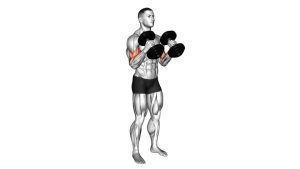
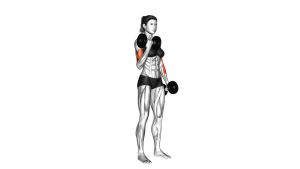
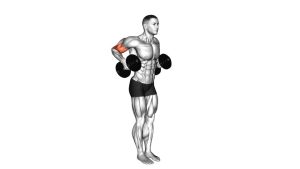
This exercise works best with moderate weight, a stable torso, and a strict vertical path. The goal is to keep the dumbbells brushing or staying very close to your torso while your elbows move back slightly during the curl. That change in arm path reduces front-delt involvement and helps keep more tension where you want it: on the biceps.
Quick Overview
| Body Part | Biceps |
|---|---|
| Primary Muscle | Biceps brachii (especially the long head) |
| Secondary Muscle | Brachialis, brachioradialis, forearms |
| Equipment | Pair of dumbbells |
| Difficulty | Beginner to Intermediate |
Sets & Reps (By Goal)
- Muscle growth: 3–4 sets × 8–12 reps with controlled tempo and 60–90 sec rest
- Strength-focused arm work: 4–5 sets × 6–8 reps using stricter form and 90–120 sec rest
- Pump / finishing work: 2–3 sets × 12–15 reps with lighter weight and short rest
- Technique practice: 2–3 sets × 10–12 reps using light dumbbells and perfect drag path
Progression rule: Increase reps first, then load. If the dumbbells stop tracking close to your torso, the weight is probably too heavy for clean drag curls.
Setup / Starting Position
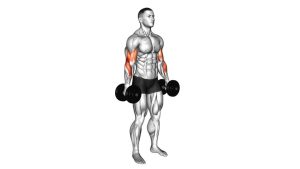
- Stand tall: Place your feet about hip-width to shoulder-width apart and brace your core.
- Hold the dumbbells at your sides: Let your arms hang straight with the dumbbells close to the thighs.
- Set your shoulders: Keep your chest up, shoulders down, and neck relaxed.
- Choose your grip: Use a supinated or slightly turned-out grip so the palms face forward or slightly inward.
- Lock in posture: Stay tall and still—no leaning back, no swinging, no hip drive.
Tip: The dumbbells should begin very close to the body. If they start out hanging forward, you’ll drift into a regular curl path.
Execution (Step-by-Step)
- Start the curl: Begin bending the elbows while drawing them slightly backward.
- Drag the dumbbells upward: Keep the weights close to your torso and let them travel up along the body.
- Keep the elbows back: Don’t let the elbows drift forward like a standard curl.
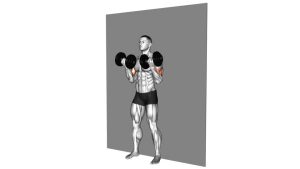
- Squeeze at the top: When the dumbbells reach the upper-ab area or lower chest line, pause briefly and contract the biceps hard.
- Lower with control: Reverse the same path slowly until the arms are fully extended again.
- Reset and repeat: Stay upright and keep each rep smooth, strict, and close to the body.
Pro Tips & Common Mistakes
- Keep the bells close: The closer the dumbbells stay to the torso, the better the drag curl does its job.
- Use moderate weight: Too much load usually turns this into a sloppy front curl with body English.
- Lead with the elbows: Think “elbows back” as you curl, not “hands up.”
- Don’t swing: Avoid leaning backward to cheat the weight up.
- Control the negative: The lowering phase is where a lot of growth stimulus happens.
- Don’t shrug: Keep traps relaxed so the biceps stay the star of the movement.
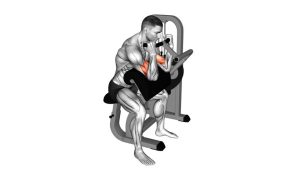
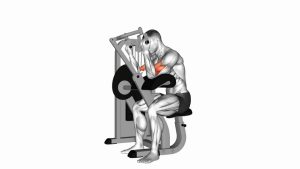
- Use it strategically: Drag curls work great after standard curls, preacher curls, or incline curls for added long-head emphasis.
FAQ
What is the main benefit of the dumbbell drag biceps curl?
Its biggest advantage is increased biceps tension with a stricter curl path. Because the dumbbells stay close to the body and the elbows move back slightly, many lifters feel a stronger contraction in the biceps, especially the long head.
Is this better than a regular dumbbell curl?
It’s not automatically better—it’s just different. A regular curl gives you a more conventional path, while a drag curl changes the mechanics to emphasize strictness and peak biceps tension. Both can work well in the same program.
How heavy should I go on drag curls?
Usually lighter than your regular standing curls. This exercise punishes sloppy form quickly, so choose a load you can control without swinging or letting the dumbbells drift forward.
Where should I feel this exercise?
You should mainly feel it in the front of the upper arms—the biceps. You may also notice forearm involvement, but the shoulders and lower back should not be doing much work if your form is clean.
Can beginners use the dumbbell drag curl?
Yes. It’s beginner-friendly as long as the weight stays manageable. Start light, learn the drag path, and focus on control before trying to load it aggressively.
Recommended Equipment
- Adjustable Dumbbells — versatile for progressive overload and home arm training
- Preacher Curl Bench — useful for pairing drag curls with stricter isolation work
- Resistance Bands Set — excellent for warm-ups, arm finishers, and joint-friendly extra volume
- Lifting Straps — optional grip support if forearms fatigue before the biceps on heavier sets
- Exercise Mat — helpful for a cleaner training area, warm-up drills, and home workouts
Tip: Adjustable dumbbells, preacher curl benches, and resistance band sets are all widely available on Amazon, making them practical additions for lifters building a home arm-training setup.