Dumbbell Incline Inner Biceps Curl: Form, Sets, Tips & FAQ
Learn the Dumbbell Incline Inner Biceps Curl for a deep biceps stretch and strong peak contraction. Step-by-step form, sets by goal, common mistakes, FAQs, and recommended equipment.
Dumbbell Incline Inner Biceps Curl
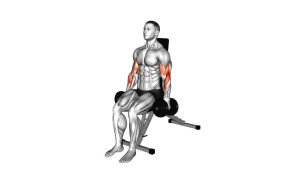
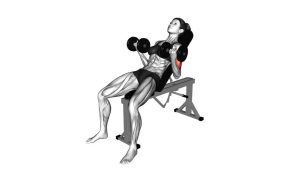
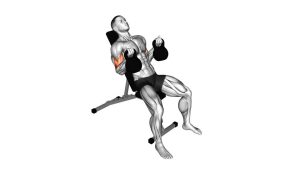
This exercise works best when you stay strict and let the biceps do the work. The incline setup reduces momentum and makes the bottom position more demanding, which is excellent for hypertrophy. You should feel a deep stretch near the lower biceps at the bottom and a clean squeeze at the top—not shoulder strain, wrist discomfort, or body rocking.
Quick Overview
| Body Part | Biceps |
|---|---|
| Primary Muscle | Biceps brachii (with strong emphasis on the short head during the squeeze) |
| Secondary Muscle | Brachialis, brachioradialis, forearm supinators, and grip musculature |
| Equipment | Incline bench and dumbbells |
| Difficulty | Beginner to Intermediate |
Sets & Reps (By Goal)
- Muscle growth: 3–4 sets × 8–12 reps with controlled form and a full stretch
- Strength-focused isolation: 3–5 sets × 6–8 reps using strict tempo and no body English
- High-tension pump work: 2–4 sets × 12–15 reps with lighter weight and strong top squeeze
- Finisher after compound pulling: 2–3 sets × 10–15 reps with short rest
Progression rule: First improve control, range, and supination quality. Then add reps. Increase the dumbbell load only when you can keep the elbows stable and the lowering phase smooth.
Setup / Starting Position
- Set the bench: Adjust an incline bench to roughly 45–60 degrees.
- Sit back fully: Keep your head, upper back, and torso supported by the bench.
- Hold the dumbbells at your sides: Let the arms hang straight down with a slight bend at the elbow, not locked rigidly.
- Start with a neutral-to-supinated grip: Palms can face partly inward at the bottom, then rotate harder upward during the curl.
- Set the shoulders: Keep the chest open and shoulders down, without shrugging forward.
Tip: The bottom stretch is one of the main benefits of this exercise. Don’t rush out of it—own the position.
Execution (Step-by-Step)
- Begin from the stretched bottom: Let the arms hang naturally while keeping the torso glued to the bench.
- Curl the dumbbells upward: Flex the elbows and start rotating the palms upward as the weights rise.
- Supinate hard through the middle: Turn the pinkies slightly upward to increase biceps involvement as you approach the top.
- Squeeze at peak contraction: Bring the dumbbells near shoulder level without letting the elbows drift excessively forward.
- Lower under control: Take 2–4 seconds to return to the bottom and re-establish the full stretch before the next rep.
Pro Tips & Common Mistakes
- Use full supination: Turning the palms up is a major part of making curls feel better in the biceps.
- Don’t rush the eccentric: The lowering phase is where a lot of the growth stimulus comes from.
- Keep the upper arm mostly quiet: A little natural movement is fine, but avoid turning the curl into a front raise.
- Stay back on the bench: Don’t sit up or rock your torso to finish tough reps.
- Choose the right bench angle: Too upright reduces the stretch; too flat can stress the shoulder for some lifters.
- Don’t overload early: This exercise is more effective with precision than with sloppy heavy dumbbells.
FAQ
What makes the incline version different from a regular dumbbell curl?
The incline bench places your arms behind the torso, which increases the stretch on the biceps at the bottom. That longer range of motion often makes the exercise feel harder and more effective with lighter weight.
Does this exercise target the inner biceps?
It can strongly emphasize the biceps during the squeeze, especially when you use good supination and controlled technique. In practical training terms, lifters often use it to improve biceps shape, contraction, and overall upper-arm development.
Should I curl both dumbbells at the same time or alternate them?
Both work. Curling both together is efficient and keeps the set moving, while alternating can help you focus more on each side and maintain stricter form.
How heavy should I go on incline curls?
Usually lighter than standing curls. Because the stretched bottom position is more demanding, strict form matters more than load here.
What should I avoid during this exercise?
Avoid swinging, shrugging, cutting the range short, or letting the shoulders take over. If the rep stops looking like a curl, the weight is too heavy.
Recommended Equipment
- Adjustable Weight Bench — the key setup tool for incline curls and other upper-body dumbbell work
- Adjustable Dumbbells — ideal for progressive overload without needing multiple fixed dumbbell pairs
- Arm Blaster / Biceps Isolator — helpful for lifters who struggle to keep the elbows stable during curls
- Resistance Band Set — useful for warm-ups, arm pump finishers, and elbow-friendly biceps volume
- Preacher Curl Bench — a good secondary option if you want even stricter biceps isolation on other curl variations
Tip: For most people, the best starting combo is a solid adjustable bench plus adjustable dumbbells. Optional accessories can come later.