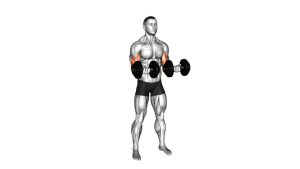
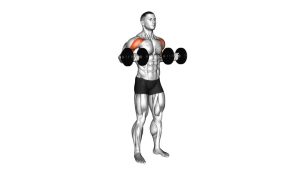
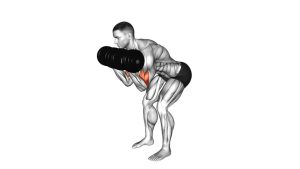
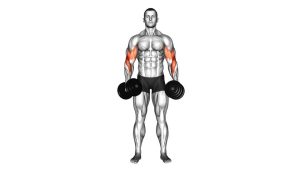
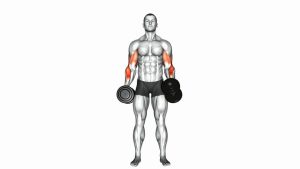
Dumbbell Incline Hammer Curl: Form, Muscles Worked, Sets, Tips & FAQ
Learn how to perform the Dumbbell Incline Hammer Curl with proper form. Discover muscles worked, setup, step-by-step execution, sets and reps by goal, common mistakes, FAQs, and recommended equipment.
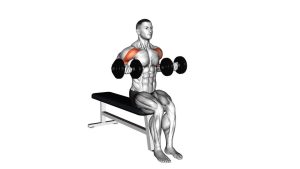
Dumbbell Incline Hammer Curl
This variation is excellent for building arm size with cleaner mechanics than many standing curl variations. The incline position reduces cheating, limits body swing, and helps you train through a deeper stretched bottom position. Focus on controlled elbow flexion, a stable shoulder position, and a slow lowering phase for the best results.
Quick Overview
| Body Part | Arms |
|---|---|
| Primary Muscle | Brachialis |
| Secondary Muscle | Brachioradialis and Biceps Brachii |
| Equipment | Dumbbells and an incline bench |
| Difficulty | Beginner to Intermediate |
Sets & Reps (By Goal)
- Muscle growth: 3–4 sets × 8–12 reps with 60–90 sec rest
- Strength-focused arm work: 4–5 sets × 6–8 reps with 90–120 sec rest
- Technique and control: 2–3 sets × 10–15 reps with a slower eccentric and 45–75 sec rest
- Finisher / pump work: 2–3 sets × 12–15 reps with moderate weight and short rest
Progression rule: Increase reps first, then load. Only move up in weight when you can keep the elbows stable, avoid swinging, and lower every rep under full control.
Setup / Starting Position
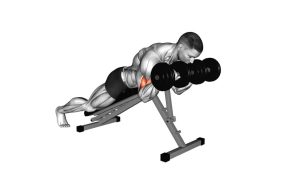
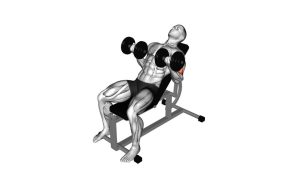
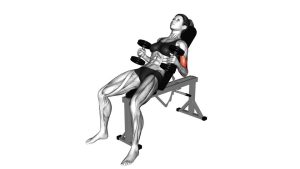
- Set the bench: Adjust an incline bench to roughly 45–60 degrees.
- Sit back fully: Keep your head, upper back, and torso supported against the bench.
- Plant your feet: Place both feet firmly on the floor for stability.
- Hold the dumbbells neutrally: Let your palms face each other throughout the set.
- Start with arms hanging down: Allow the arms to extend fully beneath the shoulders, slightly behind the torso because of the incline angle.
- Brace lightly: Keep the chest up, shoulders relaxed, and core engaged without arching hard.
Tip: Use a load you can control through the entire range. The incline position makes even moderate dumbbells feel much harder when form is strict.
Execution (Step-by-Step)
- Begin from a dead hang: Start with full arm extension and a neutral grip.
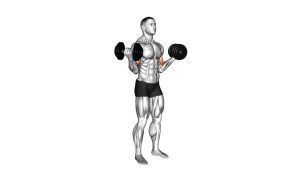
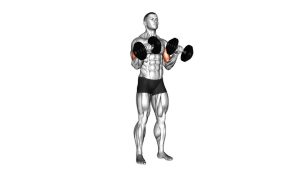
- Curl the dumbbells upward: Flex at the elbows and bring the weights up in a smooth arc while keeping your palms facing inward.
- Keep the upper arms quiet: Do not let the elbows drift forward excessively or the shoulders take over the motion.
- Squeeze near the top: Pause briefly when the dumbbells approach shoulder height without losing wrist neutrality.
- Lower slowly: Control the eccentric until your arms are fully extended again and the muscles are stretched at the bottom.
- Repeat cleanly: Maintain the same path and tempo on every rep.
Pro Tips & Common Mistakes
- Use a true hammer grip: Keep palms facing each other from start to finish.
- Let the incline do the work: Stay pinned to the bench to reduce cheating.
- Control the bottom stretch: Don’t bounce out of the fully lengthened position.
- Don’t swing: Momentum shifts tension away from the target muscles.
- Avoid elbow travel: Small natural movement is fine, but major forward drift turns it into a different curl pattern.
- Keep wrists straight: Excessive wrist flexion can reduce force transfer and create discomfort.
- Slow down the eccentric: A controlled lowering phase can make this exercise far more effective for hypertrophy.
FAQ
What muscles does the Dumbbell Incline Hammer Curl work most?
It primarily targets the brachialis, with strong assistance from the brachioradialis and additional work from the biceps brachii. The incline angle also increases stretch at the bottom.
Why use an incline bench for hammer curls?
The incline bench places your arms slightly behind your torso, which increases the stretch and makes it harder to use momentum. That usually leads to stricter reps and better isolation.
Should I curl both dumbbells at the same time or alternate?
Both methods can work. Curling both at once saves time and keeps tension symmetrical, while alternating may help you focus more on each arm individually.
How heavy should I go on incline hammer curls?
Use a weight that allows full control, especially during the lowering phase. Most lifters need less weight here than on standing hammer curls because the bench removes momentum.
Is this exercise better for biceps peak or overall arm thickness?
It is especially useful for building overall upper-arm thickness because of the strong brachialis contribution, though the biceps still work hard throughout the movement.
Recommended Equipment
- Adjustable Incline Weight Bench — essential for setting the correct torso angle and maintaining strict body support
- Adjustable Dumbbells — convenient for progressing load without needing a full dumbbell rack
- Dumbbell Grip Covers — useful if you want a more comfortable neutral grip during higher-rep sets
- Weightlifting Gloves — can improve grip comfort and reduce palm irritation during longer arm sessions
- Foam Roller — helpful for upper-body mobility work before or after training
Tip: For this exercise, the most important tools are a stable incline bench and dumbbells that let you progress gradually while keeping clean form.