Lever Preacher Curl: Proper Form, Muscles Worked, Sets, Tips & FAQ
Learn how to perform the Lever Preacher Curl with strict form to isolate the biceps, build arm size, and improve curl mechanics. Includes muscles worked, setup, step-by-step execution, sets by goal, common mistakes, FAQ, and recommended equipment.
Lever Preacher Curl
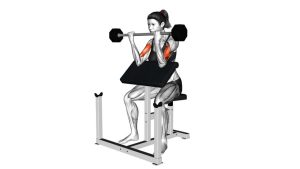
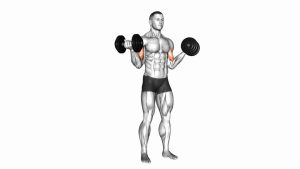
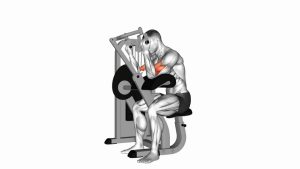
This exercise works best when you keep the upper arms planted firmly against the preacher pad and let the elbows do all the movement. The machine path helps create a stable curl pattern, which makes the Lever Preacher Curl excellent for building arm size, improving curl discipline, and limiting cheating from the shoulders or lower back. Done correctly, you should feel strong tension in the biceps from the bottom stretch all the way to peak contraction.
Quick Overview
| Body Part | Biceps |
|---|---|
| Primary Muscle | Biceps brachii |
| Secondary Muscle | Brachialis and brachioradialis |
| Equipment | Lever preacher curl machine |
| Difficulty | Beginner to Intermediate |
Sets & Reps (By Goal)
- Muscle growth: 3–4 sets × 8–12 reps with controlled tempo and 60–90 seconds of rest
- Strength-focused arm work: 4–5 sets × 6–8 reps with a slightly heavier load and 90–120 seconds of rest
- Technique and isolation practice: 2–3 sets × 10–15 reps with light to moderate weight and strict form
- Finisher / pump work: 2–3 sets × 12–15 reps with a slow eccentric and a strong squeeze at the top
Progression rule: Increase reps first, then add small amounts of weight only when you can keep your elbows fixed on the pad and control the lowering phase without swinging.
Setup / Starting Position
- Adjust the machine: Set the seat height so your armpits rest comfortably near the top edge of the preacher pad and your elbows line up naturally with the machine’s pivot path.
- Take a secure grip: Use the machine handles with an underhand grip and keep your wrists neutral rather than bent backward.
- Plant the upper arms: Press the back of your upper arms firmly into the preacher pad so they stay supported throughout the rep.
- Brace your torso: Sit tall with the chest up, shoulders relaxed, and feet flat on the floor for stability.
- Start at full stretch: Extend the arms almost fully at the bottom while maintaining tension and avoiding a harsh lockout.
Tip: Proper seat height is essential. If the seat is too low or too high, the curl path may feel awkward and place extra stress on the elbows.
Execution (Step-by-Step)
- Begin from the stretched position: Let the elbows extend under control while keeping the upper arms glued to the pad.
- Curl the handle upward: Drive the movement by bending the elbows only. Do not lift the shoulders or shift the torso.
- Pass through the mid-range smoothly: Keep the motion steady as the forearms approach a right angle and the biceps start to contract harder.
- Squeeze at the top: Bring the handle to the highest comfortable point and briefly contract the biceps without letting the elbows come off the pad.
- Lower under control: Reverse the motion slowly and resist the weight on the way down to maximize eccentric tension.
- Return to the bottom carefully: Reach a deep stretch without bouncing or relaxing completely between reps.
Pro Tips & Common Mistakes
- Keep the upper arms pinned: The preacher pad should stabilize the movement, not just support it loosely.
- Use a full but controlled range: Get a strong stretch at the bottom, but do not slam into elbow lockout.
- Slow down the eccentric: Lowering too quickly reduces tension and makes the machine do the work for you.
- Don’t cheat with the shoulders: The lever preacher curl is meant to isolate the biceps, so avoid rocking or shrugging.
- Keep wrists neutral: Excessive wrist extension can shift tension away from the biceps and irritate the joints.
- Pause at peak contraction: A brief squeeze at the top improves control and mind-muscle connection.
- Avoid ego loading: Too much weight often shortens the range of motion and turns the curl into a sloppy half-rep.
FAQ
What muscles does the Lever Preacher Curl work?
The exercise primarily targets the biceps brachii, while the brachialis and brachioradialis assist during the curl. The preacher setup also reduces body momentum, which increases biceps isolation.
Is the Lever Preacher Curl better than regular standing curls?
It is better for strict isolation because the preacher pad limits cheating and shoulder involvement. Standing curls can still be useful, but machine preacher curls make it easier to keep constant tension on the biceps.
Should I fully lock out my elbows at the bottom?
You can approach full extension for a deep stretch, but avoid aggressively snapping into lockout. Keep the bottom position controlled to protect the elbows and maintain tension.
How heavy should I go on preacher curls?
Use a weight that allows you to complete all reps with clean elbow positioning, a smooth curl, and a controlled eccentric. If your elbows lift or your shoulders take over, reduce the load.
Is this exercise good for building bigger biceps?
Yes. The Lever Preacher Curl is excellent for hypertrophy because it emphasizes strict movement, strong bottom-range tension, and peak contraction with minimal momentum.
Recommended Equipment
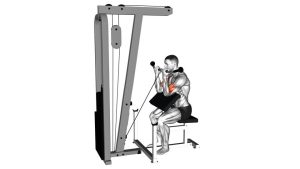
- Preacher Curl Bench — useful if you want to replicate preacher-style arm support for barbell or dumbbell curls at home
- Preacher Curl Attachment — a practical add-on for some home gym benches to create a preacher curl station
- EZ Curl Bar — a classic arm-training tool that pairs well with preacher curls and often feels easier on the wrists than a straight bar
- Arm Blaster — helps reinforce strict curling mechanics by keeping the elbows in a more fixed position
- Wrist Wraps — optional support if your wrists feel strained during high-volume arm training
Tip: Choose equipment that helps you maintain strict curl mechanics rather than just lifting heavier weight. Better setup usually means better biceps tension.