Dumbbell Seated Drag Curl: Proper Form, Sets, Tips & FAQ
Learn the Dumbbell Seated Drag Curl to target the biceps with strict form and constant tension. Includes setup, execution, sets by goal, common mistakes, FAQs, and recommended equipment.
Dumbbell Seated Drag Curl
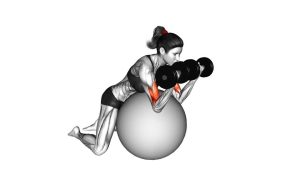
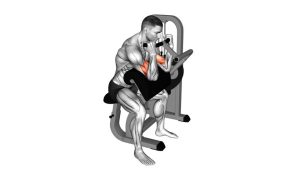
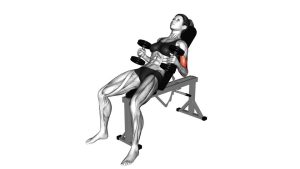
This exercise works best with clean mechanics, controlled tempo, and moderate load. Because the seated position removes a lot of body English, the Dumbbell Seated Drag Curl is excellent for lifters who want to improve biceps isolation, feel stronger peak contraction, and reduce cheating during their curl work.
Quick Overview
| Body Part | Biceps |
|---|---|
| Primary Muscle | Biceps brachii |
| Secondary Muscle | Brachialis, brachioradialis, forearm flexors |
| Equipment | Dumbbells and a flat bench |
| Difficulty | Beginner to Intermediate |
Sets & Reps (By Goal)
- Muscle growth: 3–4 sets × 8–12 reps with controlled tempo and 60–90 sec rest
- Technique practice: 2–3 sets × 10–15 reps using lighter dumbbells and perfect form
- Strength-focused curl accessory: 3–4 sets × 6–8 reps with strict execution and 90 sec rest
- Finisher / pump work: 2–3 sets × 12–15 reps with short rest and constant tension
Progression rule: Add reps first, then increase dumbbell load only when you can keep the weights close to the torso and avoid torso rocking.
Setup / Starting Position
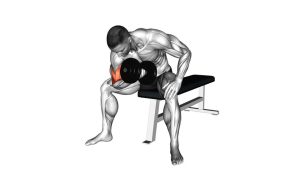
- Sit tall on a flat bench: Keep your chest lifted, spine neutral, and feet planted flat on the floor.
- Hold a dumbbell in each hand: Let the arms hang straight down at your sides with palms facing inward or slightly forward.
- Set the shoulders: Pull them down and back lightly so the upper traps do not take over.
- Keep elbows close: Start with the elbows near the sides of the torso, not flared outward.
- Brace the core: Stay still on the bench so the curl comes from the arms—not from swinging the body.
Tip: A slightly proud chest and stable seated posture make it easier to maintain the drag path.
Execution (Step-by-Step)
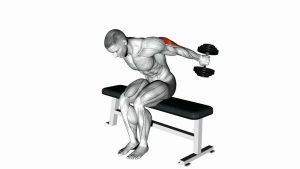
- Begin the curl smoothly: Start raising the dumbbells while keeping them close to your thighs and torso.
- Drag, don’t swing: Let the elbows travel slightly backward as the dumbbells move upward along the body.
- Keep the wrists neutral: Avoid excessive wrist bending or trying to “flick” the weight upward.
- Squeeze at the top: Stop when the dumbbells reach the upper waist or lower rib area and your biceps are fully contracted.
- Lower with control: Reverse the same path slowly until the arms are fully extended again.
Pro Tips & Common Mistakes
- Keep the dumbbells close: The closer they stay to the torso, the more the movement feels like a true drag curl.
- Do not rush the lowering phase: The eccentric helps build tension and control.
- Avoid shrugging: Keep the shoulders down so the traps and front delts do not dominate.
- Do not over-swing the elbows: A slight backward path is good; excessive shoulder motion is not.
- Use moderate weight: This exercise rewards strict form more than heavy loading.
- Stay seated and stable: No leaning back, bouncing, or using momentum to finish reps.
FAQ
What muscles does the Dumbbell Seated Drag Curl work?
It mainly targets the biceps brachii, with help from the brachialis, brachioradialis, and forearm muscles that stabilize the dumbbells.
How is this different from a regular seated dumbbell curl?
In a regular curl, the dumbbells usually move in a more open arc. In a drag curl, the weights stay close to the body and the elbows move slightly back, which changes the feel and increases strict biceps tension.
Should I go heavy on seated drag curls?
Usually no. This lift works best with controlled reps and a weight that lets you maintain the drag path without swinging or leaning back.
Can beginners use this exercise?
Yes. Beginners can use it to learn strict curling mechanics, as long as they start with manageable dumbbells and focus on clean motion.
Where should I feel it most?
You should feel the contraction mainly in the front of the upper arms. If you feel mostly shoulders or traps, reduce the load and tighten your technique.
Recommended Equipment
- Adjustable Dumbbells — versatile for progressive overload and home biceps training
- Adjustable Weight Bench — provides a stable seated position for strict curls and other upper-body work
- Wrist Wraps — helpful for lifters who want extra wrist support during curling movements
- Arm Blaster — useful for keeping the upper arms in position during curl-focused sessions
- Grip Training Tool — can help improve grip endurance for dumbbell arm work
Tip: Choose equipment that supports strict execution first. Better positioning and control usually improve this exercise more than simply adding weight.