Bodyweight Seated Single-Arm Concentration Curl: Form, Sets, Benefits & Mistakes
Learn how to do the Bodyweight Seated Single-Arm Concentration Curl with proper form. Discover muscles worked, setup, execution steps, sets by goal, common mistakes, FAQs, and recommended equipment.
Bodyweight Seated Single-Arm Concentration Curl
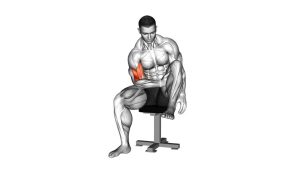
This exercise works best when performed with strict control and a clear focus on elbow flexion. Since the setup limits cheating, it is excellent for improving mind-muscle connection, building cleaner curl mechanics, and increasing tension in the biceps through a shortened range. Keep the working arm locked into position, avoid torso swinging, and think about pulling with the biceps rather than lifting with the shoulder.
Quick Overview
| Body Part | Biceps |
|---|---|
| Primary Muscle | Biceps brachii |
| Secondary Muscle | Brachialis, brachioradialis, forearm flexors |
| Equipment | Bodyweight only (bench or sturdy seat optional) |
| Difficulty | Intermediate (requires control, tension awareness, and clean positioning) |
Sets & Reps (By Goal)
- Muscle growth: 3–4 sets × 8–15 reps per arm with slow, controlled reps and 45–75 sec rest
- Mind-muscle connection: 2–3 sets × 10–12 reps per arm with a 1–2 second squeeze at the top
- Finisher / burnout work: 2–3 sets × 12–20 reps per arm with minimal momentum and short rest
- Technique practice: 2–3 sets × 6–10 clean reps per arm, focusing on elbow position and tempo
Progression rule: Increase control, pause duration, and rep quality before trying to make the movement harder. In bodyweight curl variations, better leverage and stricter execution often create more stimulus than simply moving faster.
Setup / Starting Position
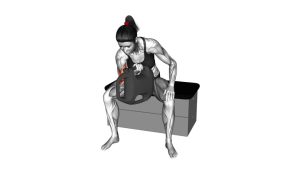
- Sit down securely: Use a bench, box, or sturdy seat with your feet planted and knees apart enough to create room for the working arm.
- Brace the elbow: Place the elbow of the working arm firmly against the inside of the thigh to lock the upper arm in place.
- Lean slightly forward: Angle your torso just enough to keep tension on the arm without rounding excessively through the back.
- Set the wrist: Keep the wrist neutral or only slightly supinated so the forearm stays aligned with the curl path.
- Start from the bottom: Let the arm extend under control without losing elbow contact with the thigh.
Tip: The stronger your elbow brace and body position, the easier it is to isolate the biceps and avoid turning the movement into a loose arm swing.
Execution (Step-by-Step)
- Lock in the setup: Keep the elbow glued to the inner thigh and the torso steady before each rep begins.
- Initiate the curl: Flex at the elbow and pull the forearm upward in a smooth arc without jerking or swinging.
- Keep the shoulder quiet: Do not let the upper arm drift forward or the shoulder roll into the rep.
- Squeeze at the top: When the forearm reaches the highest strong position, contract the biceps hard for a brief pause.
- Lower with control: Return slowly to the stretched position without dropping the arm or losing tension.
Pro Tips & Common Mistakes
- Keep the elbow anchored: This is the main feature that turns the movement into a true concentration curl.
- Use a slow tempo: A controlled curl and a slower lowering phase create more useful tension than rushing reps.
- Don’t swing the torso: Momentum reduces biceps isolation and makes the rep less effective.
- Don’t overbend the wrist: Excessive wrist flexion shifts effort away from the biceps and may irritate the forearm.
- Focus on the squeeze: The top contraction is one of the biggest benefits of this variation, so do not skip it.
- Train both arms evenly: Since it is unilateral, use the same setup quality and rep standard on each side.
FAQ
What makes this different from a normal concentration curl?
The movement pattern is similar, but instead of relying on a dumbbell, this version uses bodyweight leverage and positioning to create resistance. That makes control and setup even more important.
Where should I feel this exercise most?
You should mainly feel it in the biceps, especially near the middle and top of the curl. Some forearm involvement is normal, but the shoulder should not dominate the movement.
Is this good for building bigger biceps?
Yes, it can be useful for hypertrophy when performed with enough control, effort, and total volume. It works especially well as a strict isolation exercise or as a finisher after heavier curls.
Should I use full range of motion?
Use as much range as you can control while keeping the elbow braced and the rep clean. If the bottom or top position causes you to lose form, slightly shorten the range and build up gradually.
Can beginners do this exercise?
Beginners can use it, but it is usually better for people who already understand how to control elbow position and feel their biceps working. If needed, start slowly and use fewer reps until the pattern feels natural.
Recommended Equipment
- Adjustable Workout Bench — provides a stable seat and consistent body position for strict unilateral curl work
- Arm Blaster for Biceps Training — helps reinforce strict elbow positioning and improves curl discipline
- Resistance Bands Set — useful for adding biceps volume, warm-ups, and alternative curl variations
- Wrist Wraps — can improve wrist comfort if you tend to lose alignment during arm isolation work
- Grip Strength Trainer — supports forearm and grip endurance, which can help during strict curling movements
Tip: Accessories should support better form and comfort, but the real value of this exercise still comes from controlled reps, clean elbow bracing, and strong biceps contraction.