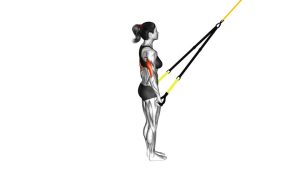
Suspension Triceps Extension Push-Up: Form, Sets, Tips & FAQ
Learn the Suspension Triceps Extension Push-Up to build stronger triceps with suspension straps. Includes setup, form cues, sets by goal, common mistakes, FAQs, and recommended equipment.
Suspension Triceps Extension Push-Up
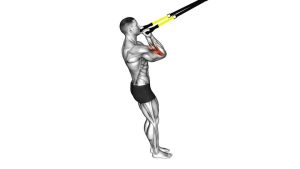
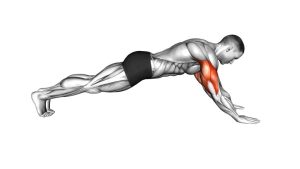
This exercise is excellent for building triceps strength, improving upper-body control, and adding variety to bodyweight training. Because the straps create instability, even moderate reps can feel demanding. The more you lean forward, the harder the exercise becomes. Focus on a smooth range of motion, quiet shoulders, and a strong plank from head to heels.
Quick Overview
| Body Part | Triceps |
|---|---|
| Primary Muscle | Triceps brachii |
| Secondary Muscle | Anterior deltoids, chest, core, forearms, scapular stabilizers |
| Equipment | Suspension trainer / TRX-style straps |
| Difficulty | Intermediate |
Sets & Reps (By Goal)
- Muscle growth: 3–4 sets × 8–15 reps, 60–90 sec rest
- Strength / control: 4–5 sets × 5–8 reps, 90–120 sec rest
- Endurance / bodyweight conditioning: 2–4 sets × 12–20 reps, 45–75 sec rest
- Warm-up activation: 2–3 sets × 6–10 easy reps with a more upright body angle
Progression rule: First increase control and reps, then make the body angle steeper to raise difficulty. A more horizontal body position increases the load significantly.
Setup / Starting Position
- Anchor the straps securely: Set the handles to around chest height or slightly higher, depending on your body angle and experience level.
- Face away from the anchor point: Hold the handles with a neutral grip and walk your feet back until your body forms a straight leaning plank.
- Brace your core: Keep your ribs down, glutes engaged, and neck neutral so your body stays aligned from head to heels.
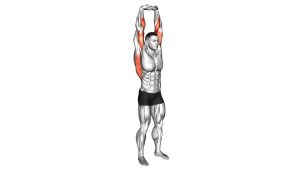
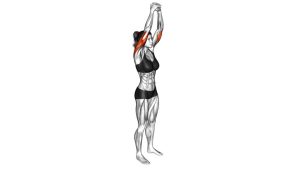
- Start with arms extended: Hands are in front of you, elbows straight but not hyperextended, and shoulders packed down.
- Choose your intensity: The farther forward you lean, the harder the movement becomes.
Tip: Beginners should stand more upright first. Intermediate and advanced lifters can lean farther forward to make the triceps work much harder.
Execution (Step-by-Step)
- Lock in your plank: Keep your body rigid and your shoulders stable before starting the rep.
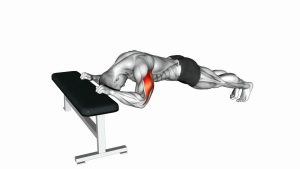
- Bend only at the elbows: Lower your body by bringing the handles toward the sides of your head or temples.
- Keep upper arms mostly fixed: Avoid letting the elbows drift too far outward or turning it into a regular pressing motion.
- Pause briefly near the bottom: Stop when the elbows are deeply bent and you still have full control of the straps.
- Extend the elbows to return: Press back to the start position by squeezing the triceps until your arms are straight again.
- Repeat smoothly: Maintain the same body line and tempo on every rep without swinging or shortening the range.
Pro Tips & Common Mistakes
- Keep the movement elbow-dominant: This should feel like a triceps extension, not a chest press.
- Stay in a straight line: Head, torso, hips, and legs should move together as one unit.
- Don’t flare the elbows too wide: Let them track naturally, but keep them controlled.
- Use a slow lowering phase: A 2–3 second descent increases tension and improves technique.
- Adjust difficulty with body angle: More upright is easier; more forward lean is harder.
- Avoid momentum: Swinging through reps takes tension off the triceps and stresses the shoulders.
- Keep wrists neutral: Don’t let the handles fold your wrists backward excessively.
FAQ
What muscles does the Suspension Triceps Extension Push-Up work?
The main target is the triceps brachii. The shoulders, chest, forearms, and core also assist by stabilizing your body and the straps.
Is this the same as a regular push-up?
No. A regular push-up is more chest-dominant and involves greater shoulder horizontal pressing. This movement should be more elbow-driven, with the triceps doing most of the work.
How do I make it easier?
Stand more upright, shorten the range slightly, and slow the tempo. A less aggressive body angle reduces the amount of bodyweight your triceps have to move.
How do I make it harder?
Lean farther forward, pause at the bottom, use a slower eccentric, or perform more total reps while maintaining strict form.
Is this a good substitute for skull crushers?
Yes. It can be an excellent bodyweight alternative to skull crushers, especially if you want to train the triceps without dumbbells, barbells, or a cable machine.
Recommended Equipment (Optional)
- TRX PRO3 Suspension Trainer — premium suspension system for bodyweight strength training, travel, and home workouts
- Bodytorc Suspension Trainer — a full-body strap trainer with door anchor and adjustable setup options
- Door Anchor for Suspension Trainer — useful for secure indoor setup when you do not have a permanent mount
- Amazon Basics Extra Thick Exercise Yoga Mat — adds floor comfort for setup, warm-ups, and accessory core work
- Perfect Pushup Elite — useful for pairing with other triceps and bodyweight pressing movements on non-suspension days
Tip: For this exercise, the most important purchase is a stable suspension trainer and a secure anchor setup. Everything else is optional support equipment.