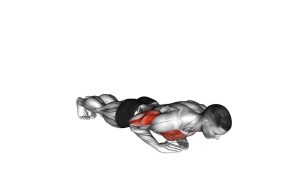
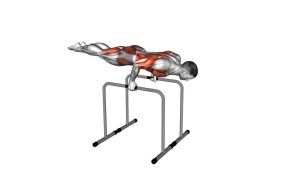
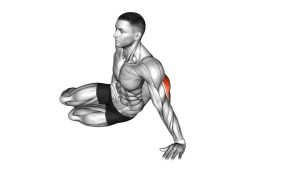
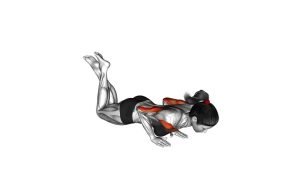
Suspension Trainer Triceps Kickback: Form, Sets, Tips & FAQ
Learn the Suspension Trainer Triceps Kickback with proper form, setup, sets by goal, common mistakes, FAQs, and recommended equipment. A great bodyweight suspension exercise for building stronger triceps.
Suspension Trainer Triceps Kickback
This exercise is best performed with strict control and a steady body angle. The upper arms should stay mostly fixed while the forearms move from a bent position into full extension. Because the resistance comes from body angle and strap tension, even small form changes can make the movement much easier or much harder. Keep your core braced, shoulders down, and avoid turning it into a full-body swing.
Quick Overview
| Body Part | Triceps |
|---|---|
| Primary Muscle | Triceps brachii |
| Secondary Muscle | Rear delts, forearms, core, upper back stabilizers |
| Equipment | Suspension trainer / TRX-style straps |
| Difficulty | Intermediate |
Sets & Reps (By Goal)
- Muscle growth: 3–4 sets × 8–15 reps
- Muscular endurance: 2–4 sets × 12–20 reps
- Technique practice: 2–3 sets × 8–10 slow reps
- Accessory arm work: 2–4 sets × 10–15 reps after pressing or pulling work
Progression rule: First increase control and range of motion, then increase difficulty by leaning farther forward to place more bodyweight into the straps.
Setup / Starting Position
- Adjust the straps: Set the suspension handles to a mid-length that allows a comfortable forward lean.
- Face the anchor point: Grab the handles with a neutral grip and step into position under light tension.
- Lean forward: Shift your bodyweight forward so your body forms a straight line from head to heel.
- Tuck the elbows: Keep the elbows close to your torso and bend them to roughly 90 degrees.
- Brace the body: Tighten your core, keep the chest lifted, and set the shoulders down and back.
Tip: The more forward you lean, the harder the exercise becomes. Start with a moderate angle before progressing.
Execution (Step-by-Step)
- Start under tension: Hold the leaned-forward position with bent elbows and stable shoulders.
- Extend the elbows: Push the handles backward by straightening your arms until the elbows reach near full extension.
- Squeeze the triceps: Briefly pause at the back without locking aggressively or shrugging the shoulders.
- Return with control: Slowly bend the elbows and bring the forearms back to the start position.
- Repeat smoothly: Maintain the same body angle and avoid swinging or changing torso position between reps.
Pro Tips & Common Mistakes
- Keep the elbows tucked: Letting them flare out shifts tension away from the triceps and stresses the shoulders.
- Do not swing the torso: A rigid body makes the exercise much more effective.
- Use full but controlled extension: Reach near full elbow straightening to fully engage the triceps.
- Do not rush the return: The eccentric phase helps build control and muscle stimulus.
- Adjust difficulty with body angle: Step farther forward to make it harder, or stand more upright to make it easier.
- Keep wrists neutral: Avoid excessive bending at the wrists while pressing the handles back.
FAQ
What muscles does the Suspension Trainer Triceps Kickback work?
The main target is the triceps brachii. The exercise also uses the rear delts, forearms, upper back, and core for stability.
Is this the same as a dumbbell triceps kickback?
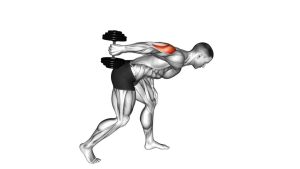
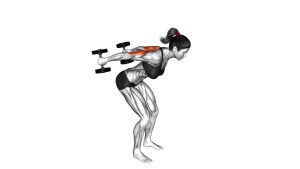
No. The motion is similar, but the resistance comes from bodyweight and suspension strap angle rather than gravity acting on a dumbbell. That creates a different tension profile and stability demand.
How do I make this exercise harder?
Lean farther forward, slow down the tempo, add a pause at full extension, or perform more reps while keeping your form strict.
Can beginners do suspension trainer triceps kickbacks?
Yes, but beginners should start with a more upright body angle and focus on elbow control before increasing difficulty.
Why do I feel this in my shoulders more than my triceps?
That usually happens when the elbows move too much, the shoulders shrug, or the torso swings. Keep the upper arms stable and reduce the lean if needed.
Recommended Equipment
- Suspension Trainer System — the main tool for performing triceps kickbacks and other bodyweight strap exercises
- Door Anchor for Suspension Trainer — useful for home setups when you do not have a fixed overhead anchor point
- Exercise Mat — provides better foot traction and comfort during standing suspension work
- Liquid Grip Chalk — helps improve handle grip if your hands get sweaty during suspension training
- Adjustable Weight Vest — optional progression tool for advanced users who want more whole-body loading
Tip: A stable anchor setup matters more than adding extra load. Prioritize secure mounting and smooth strap adjustment first.