Dumbbell Incline Triceps Extension: Proper Form, Sets, Tips & FAQ
Learn how to do the Dumbbell Incline Triceps Extension with proper form. Discover setup tips, step-by-step execution, sets and reps by goal, common mistakes, FAQs, and recommended equipment.
Dumbbell Incline Triceps Extension
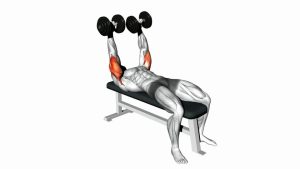
This exercise is excellent for building stronger, fuller triceps and improving upper-arm definition. The incline setup changes the angle enough to create a strong stretch and a very effective contraction, especially for lifters who want more direct arm work after presses, dips, or pushdowns. Focus on a smooth lowering phase, stable elbows, and a complete extension at the top without swinging the dumbbells.
Quick Overview
| Body Part | Triceps |
|---|---|
| Primary Muscle | Triceps brachii (especially the long head) |
| Secondary Muscle | Anconeus, forearm stabilizers, front delts for light stabilization |
| Equipment | Incline bench and a pair of dumbbells |
| Difficulty | Intermediate |
Sets & Reps (By Goal)
- Muscle growth: 3–4 sets × 8–12 reps with 60–90 seconds rest
- Strength-focused arm work: 4–5 sets × 6–8 reps with 90–120 seconds rest
- Technique and control: 2–3 sets × 10–15 reps with a slow lowering phase
- Finisher / pump work: 2–3 sets × 12–15 reps with lighter dumbbells and strict form
Progression rule: Increase reps first, then increase dumbbell weight once you can complete all target reps with clean elbow positioning and full control through the entire range of motion.
Setup / Starting Position
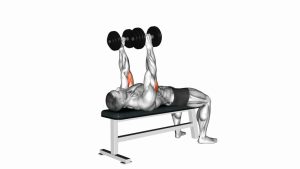
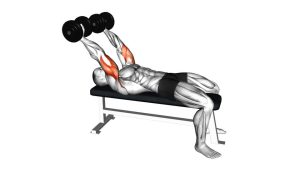
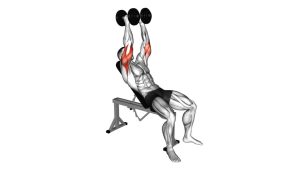
- Set the bench: Adjust an incline bench to roughly 30–45 degrees.
- Grab the dumbbells: Hold one dumbbell in each hand with a neutral grip, palms facing each other.
- Lie back securely: Keep your head, upper back, and glutes supported by the bench, with feet planted firmly on the floor.
- Press the dumbbells up: Start with the arms extended above the upper chest/shoulder line, not directly over the face.
- Set the elbows: Keep them pointed forward and tucked in rather than flared wide.
Tip: Before starting the first rep, brace your core lightly and make sure your wrists stay straight to keep the dumbbells stable.
Execution (Step-by-Step)
- Start from the top: Hold the dumbbells steady with arms extended and elbows close together.
- Lower under control: Bend only at the elbows and bring the dumbbells down in a smooth arc beside the head.
- Keep upper arms steady: Avoid letting the shoulders take over or the elbows drift too far outward.
- Reach the bottom stretch: Lower until you feel a deep but comfortable stretch in the triceps.
- Extend back up: Contract the triceps to straighten the elbows and return the dumbbells to the starting position.
- Repeat smoothly: Maintain the same path and tempo for every rep without bouncing or rushing.
Pro Tips & Common Mistakes
- Use a controlled eccentric: Lowering the dumbbells slowly increases tension and helps protect the elbows.
- Keep the elbows tucked: A little natural movement is fine, but excessive flare shifts stress away from the triceps.
- Don’t go too heavy too soon: This exercise works best with strict form, not momentum.
- Maintain neutral wrists: Letting the wrists fold back can make the dumbbells feel unstable and uncomfortable.
- Don’t shorten the range: Partial reps reduce the stretch that makes this variation effective.
- Avoid pressing the dumbbells up: The motion should come from elbow extension, not shoulder pressing.
- Match both arms: Keep the tempo and path symmetrical so one side does not dominate the rep.
FAQ
What muscles does the Dumbbell Incline Triceps Extension work?
It primarily targets the triceps brachii, especially the long head. The incline angle helps create a deeper stretch, which can make the exercise especially effective for upper-arm development.
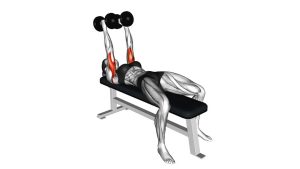
Is this better than flat dumbbell triceps extensions?
Not always better, but different. The incline version can place the triceps under a slightly different stretch and angle, which many lifters find excellent for long-head emphasis and variety in arm training.
How low should I lower the dumbbells?
Lower them until you feel a strong but comfortable stretch in the triceps while keeping control. Do not force the bottom position if it causes elbow or shoulder discomfort.
Should I use a neutral grip or palms-forward grip?
A neutral grip is usually the most comfortable and stable option for most people. It can help reduce wrist strain and make it easier to keep the elbows in a strong position.
Where should I place this exercise in my workout?
It works well after compound presses such as bench press or overhead press, or during an arm-focused session. Most people use it as a mid-to-late workout isolation exercise.
Recommended Equipment
- Adjustable Dumbbells — versatile for progressing load without needing multiple pairs of dumbbells
- Adjustable Incline Weight Bench — essential for setting the right angle for this exercise
- Weightlifting Gloves — can improve grip comfort and reduce hand fatigue during dumbbell work
- Wrist Wraps for Weightlifting — useful for added wrist support if heavy dumbbells feel unstable
- Exercise Floor Mat — adds comfort and protects the training area around your bench setup
Tip: Choose dumbbells that let you control the lowering phase fully. Better control usually means better triceps stimulation.