Barbell Finger Curls: Proper Form, Sets, Forearm Tips & FAQ
Learn how to do Barbell Finger Curls for stronger forearms and better grip strength. Includes proper form, sets and reps by goal, common mistakes, FAQs, and recommended equipment.
Barbell Finger Curls
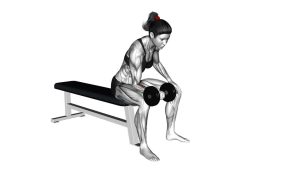
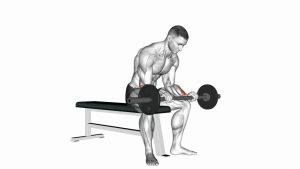
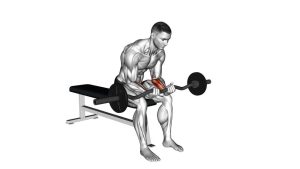
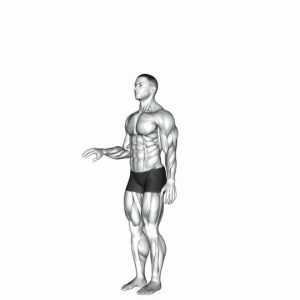
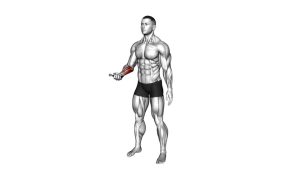
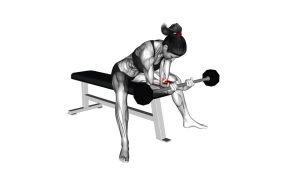
Barbell Finger Curls are best performed with the forearms supported on the thighs or a bench so the hands can move freely. The key is to keep the motion smooth: allow the bar to travel toward the fingertips under control, then squeeze it back into the palm before finishing with a small wrist curl. Done correctly, this feels more like a grip-and-forearm drill than a heavy cheat-style wrist curl.
Quick Overview
| Body Part | Forearms |
|---|---|
| Primary Muscle | Finger flexors / forearm flexors |
| Secondary Muscle | Wrist flexors, grip stabilizers, brachioradialis support |
| Equipment | Barbell, light to moderate weight plates, bench (optional) |
| Difficulty | Beginner to Intermediate |
Sets & Reps (By Goal)
- Forearm muscle growth: 3–4 sets × 12–20 reps, 45–75 sec rest
- Grip endurance: 2–4 sets × 15–25 reps, controlled tempo, 30–60 sec rest
- Strength-focused forearm work: 3–5 sets × 8–12 reps, slightly heavier load, 60–90 sec rest
- Finisher after pulling sessions: 2–3 sets × 15–20 reps, moderate load, full control
Progression rule: Add reps first, then add small amounts of weight. Keep the bar path smooth and make sure the fingers—not momentum—do the work.
Setup / Starting Position
- Sit on a bench: Sit tall with your feet planted and a loaded barbell resting across your thighs.
- Use an underhand grip: Grab the bar with palms facing upward at about shoulder-width or slightly narrower.
- Position the hands near the knees: Let the wrists sit close to the edge of the thighs so the hands can move freely.
- Start with the bar in the palms: Grip the bar securely, but do not over-squeeze before the rep begins.
- Brace lightly: Keep the forearms supported, shoulders relaxed, and torso still.
Tip: Use a manageable load. This exercise becomes much more effective when you can feel the bar rolling through the fingers under control.
Execution (Step-by-Step)
- Begin from the palms: Start with the bar held in the hands while your forearms stay supported on your thighs.
- Roll the bar downward: Slowly allow the bar to travel from the palms toward the fingertips by opening the fingers under control.
- Reach the stretch position: Let the bar sit low in the fingers without dropping it or losing tension.
- Curl the fingers closed: Squeeze the fingers to roll the bar back into the palms.
- Finish with a wrist curl: Once the bar is secure in the hands, flex the wrists slightly upward to complete the rep.
- Lower and repeat: Reverse the motion slowly and keep every repetition smooth and deliberate.
Pro Tips & Common Mistakes
- Let the bar roll into the fingers: That is the signature part of the movement—do not skip it.
- Do not go too heavy: Excessive weight often turns this into a sloppy partial wrist curl.
- Control the bottom: Never let the bar free-fall toward the fingertips.
- Keep forearms planted: Avoid lifting the elbows or bouncing the thighs.
- Delay the wrist curl: Close the fingers first, then finish with the wrists.
- Use higher reps well: Finger curls usually respond very well to controlled moderate-to-high rep work.
- Avoid excessive body movement: No swinging, shrugging, or jerking the torso to create momentum.
FAQ
What do barbell finger curls work most?
They mainly train the finger flexors and forearm flexors, with additional help from the wrist flexors and grip stabilizers. This makes them useful for both forearm development and better hand strength.
Should I use heavy weight on finger curls?
Usually no. Moderate weight with full control is better than going so heavy that the bar drops fast or the wrists take over too early.
Are finger curls better than regular wrist curls?
They are different. Finger curls emphasize the rolling action through the fingers, which can make them especially useful for grip and forearm thickness. Regular wrist curls are more wrist-flexor dominant.
Can beginners do barbell finger curls?
Yes. Beginners should start with a light barbell or even an empty bar so they can learn the roll-and-squeeze pattern correctly.
When should I place this exercise in my workout?
It works best near the end of an upper-body, pulling, or arm session because fatigued forearms can reduce performance on rows, deadlifts, and other grip-heavy lifts.
Recommended Equipment
- Wrist Roller / Forearm Roller — excellent for adding extra forearm and grip work alongside finger curls
- Thick Grip Adapters — make barbells and dumbbells harder to hold, increasing grip demand
- Barbell Collars / Clamps — help keep plates secure while setting up lighter barbell forearm work
- Lifting Straps — useful for balancing grip fatigue on heavier pulling days when forearm work volume is high
- Hand Gripper / Grip Trainer — a simple accessory for extra finger and crushing-grip practice outside the gym
Tip: Pair finger curls with one or two other grip-focused tools instead of overloading your routine with too many forearm isolation exercises.