Finger Flexor Stretch: Proper Form, Benefits, Sets, Tips & FAQ
Learn how to do the Finger Flexor Stretch to reduce forearm tightness, improve wrist and finger flexibility, and support grip recovery. Includes setup, execution, sets by goal, mistakes, FAQs, and recommended equipment.
Finger Flexor Stretch
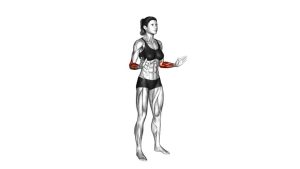
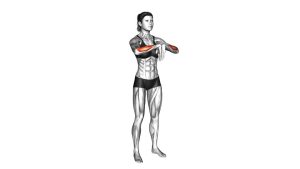
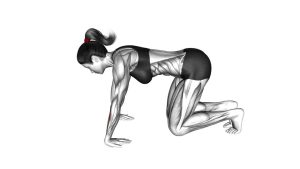
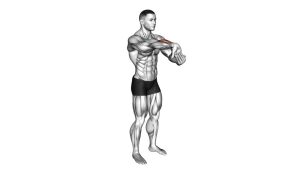
This stretch works best when performed slowly and with control. You should feel a mild-to-moderate pulling sensation through the palm side of the wrist, fingers, and inner forearm. It should never feel sharp, numb, tingling, or forceful. The movement is not about pushing as hard as possible—it is about restoring comfortable range and reducing excess tension in the tissues that help close the hand and grip.
Quick Overview
| Body Part | Forearms |
|---|---|
| Primary Muscle | Finger flexors |
| Secondary Muscle | Wrist flexors, palm and hand soft tissue |
| Equipment | None |
| Difficulty | Beginner |
Sets & Reps (By Goal)
- General flexibility: 2–3 sets per side × 20–30 second holds
- Post-workout recovery: 2–4 sets per side × 15–30 second holds
- Desk / grip fatigue relief: 1–3 sets per side × 15–20 second holds
- Mobility warm-up: 1–2 light sets per side × 10–15 second holds
Progression rule: Increase hold time gently before increasing intensity. The best stretches feel controlled and repeatable—not forced.
Setup / Starting Position
- Stand or sit tall: Keep your chest up, shoulders relaxed, and neck neutral.
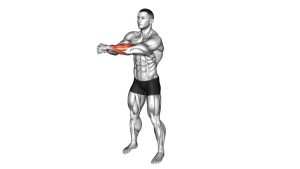
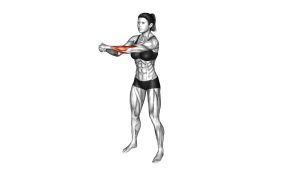
- Extend one arm forward: Straighten the working arm in front of you at about shoulder height.
- Turn the palm up: Supinate the forearm so the palm faces the ceiling.
- Keep the elbow straight: Do not let the arm bend as you begin the stretch.
- Use the opposite hand: Reach across and place your free hand on the fingers of the working hand.
Tip: Keep the shoulder relaxed and down. The stretch should come from the wrist and fingers, not from shrugging or twisting the torso.
Execution (Step-by-Step)
- Start with the arm long: Extend the arm fully with the palm facing up.
- Pull the fingers back: Use the opposite hand to gently draw the fingers downward and backward.
- Extend the wrist: Let the wrist move into extension as the fingers are pulled back.
- Hold the stretch: Pause when you feel a steady stretch along the palm side of the forearm and into the fingers.
- Breathe and stay relaxed: Avoid clenching the jaw, curling the shoulder, or forcing extra range.
- Release slowly: Return the hand to neutral under control, then switch sides.
Pro Tips & Common Mistakes
- Keep the elbow straight: A bent elbow usually reduces the stretch through the full forearm line.
- Stretch the fingers and wrist together: Pulling only at the palm can reduce finger involvement.
- Use gentle pressure: This is a mobility drill, not a pain-tolerance test.
- Do not bounce: Bouncing can irritate already tight tissue.
- Do not shrug the shoulder: Keep the upper body relaxed so the stretch stays focused on the forearm.
- Use after gripping sessions: This stretch fits well after deadlifts, rows, pull-ups, climbing, or long typing sessions.
- Avoid twisting the torso: Keep your body square and let the stretch come from the arm and hand position.
FAQ
Where should I feel the finger flexor stretch?
You should feel it mainly along the inside of the forearm, around the wrist flexors, and sometimes into the palm and fingers. It should feel like a steady stretch, not a sharp pain.
Should I keep my elbow straight during the stretch?
Yes. Keeping the elbow straight usually gives a cleaner stretch through the forearm and finger flexor chain. If your elbow bends, the stretch often becomes less effective.
When is the best time to do this stretch?
It works well after grip-heavy training, after repetitive hand use, or as part of a light mobility routine. You can also use it during the day if your forearms feel tight from typing or manual work.
How intense should the stretch feel?
Aim for a mild-to-moderate stretch. You want tension, not pain. If you feel sharp discomfort, tingling, or numbness, ease off immediately.
Can this help with tight forearms from lifting or climbing?
It can be a useful recovery and mobility tool for people whose forearms get tight from frequent gripping. It is not a replacement for diagnosis or treatment if symptoms are severe or persistent.
Recommended Equipment
- Finger Stretcher Bands — useful for balancing heavy gripping work with finger extension training
- Hand Therapy Kit — convenient for hand mobility, recovery, and light rehab-style work
- Massage Ball for Forearm Release — helps loosen tight forearm tissue before or after stretching
- Wrist Support Brace — optional support for people managing wrist irritation during daily activity
- Resistance Bands Set — useful for pairing forearm mobility with upper-body warm-up and recovery work
Tip: Equipment is optional. This stretch is effective on its own, but simple recovery tools can make forearm care easier if you train grip often.