Barbell Standing Back Wrist Curl: Proper Form, Sets, Tips & FAQ
Learn the Barbell Standing Back Wrist Curl to build stronger forearm extensors and improve wrist strength. Includes setup, step-by-step form, sets by goal, common mistakes, FAQs, and recommended equipment.
Barbell Standing Back Wrist Curl
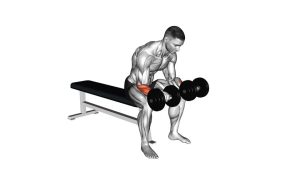
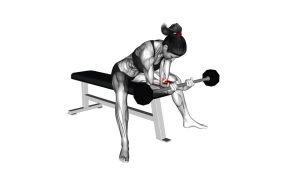
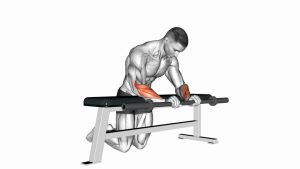
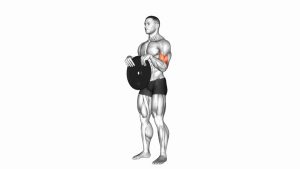
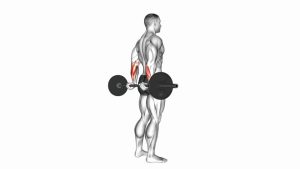
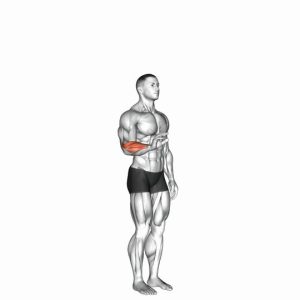
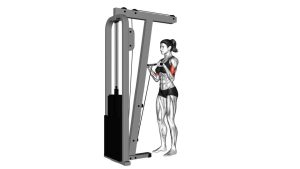
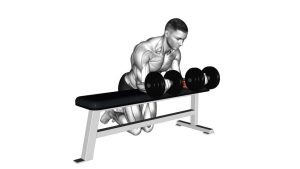
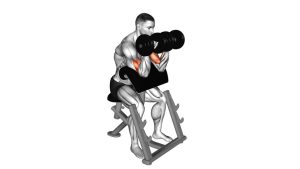
This exercise is especially useful for lifters who want to improve forearm balance, support overall grip strength development, and train the often-overlooked muscles that extend the wrist. Because the movement range is small, execution quality matters more than heavy loading. Use a manageable weight, move slowly, and focus on feeling the back of the forearms doing the work.
Quick Overview
| Body Part | Forearms |
|---|---|
| Primary Muscle | Forearm extensors |
| Secondary Muscle | Brachioradialis, finger extensors, grip stabilizers |
| Equipment | Barbell (preferably a lighter straight bar or standard barbell with manageable plates) |
| Difficulty | Beginner to Intermediate |
Sets & Reps (By Goal)
- Muscle growth: 3–4 sets × 10–15 reps with slow, strict control
- Forearm endurance: 2–4 sets × 15–20 reps using a lighter load and smooth tempo
- Strength-focused assistance: 3–5 sets × 6–10 reps with a controlled eccentric
- Finisher work: 2–3 sets × 12–20 reps after pulling or arm training
Progression rule: Add reps first, then increase weight in small increments. On this exercise, better control and cleaner wrist motion usually produce better results than chasing heavier loads.
Setup / Starting Position
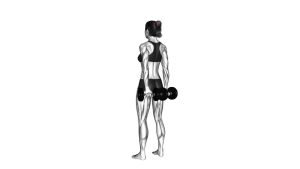
- Stand tall: Place your feet about hip-width apart and keep your spine neutral.
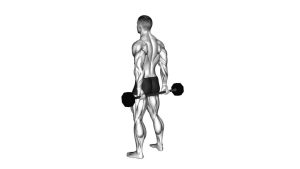
- Hold the bar behind your body: Let it rest near the back of your thighs or glutes.
- Use an overhand grip: Your palms should face backward, away from your body.
- Keep the arms straight: Elbows stay extended without locking aggressively.
- Start neutral: Begin with the wrists straight or slightly flexed and the shoulders relaxed.
Tip: Use a lighter bar than you think you need. This exercise becomes much more effective when you can control the top and bottom of every rep without body swing.
Execution (Step-by-Step)
- Brace lightly: Stand still, keep your chest tall, and let the shoulders stay down.
- Extend the wrists: Lift the bar by bending only at the wrists, bringing the backs of the hands upward.
- Keep the elbows quiet: Do not curl the bar with the arms or shrug the shoulders.
- Squeeze at the top: Pause briefly when the wrist extensors are fully contracted.
- Lower slowly: Return the bar under control to the starting position without dropping it.
- Repeat smoothly: Maintain a steady rhythm and keep tension in the forearms throughout the set.
Pro Tips & Common Mistakes
- Use wrist motion only: The best reps come from true wrist extension, not lifting the bar with the arms.
- Keep the range realistic: This is a short-range movement, so avoid forcing an exaggerated top position.
- Control the eccentric: Lowering slowly helps build more forearm tension and better joint control.
- Do not overload too early: Heavy weight often shifts tension away from the target muscles.
- Relax the traps: Shoulder shrugging reduces isolation and usually signals poor load selection.
- Train forearm balance: Pair this movement with wrist curls or grip work for more complete forearm development.
FAQ
What muscles does the Barbell Standing Back Wrist Curl work?
It mainly targets the wrist extensors, which are the muscles on the back of the forearm. These muscles help extend the wrist and contribute to forearm strength and balance.
Is this the same as a reverse wrist curl?
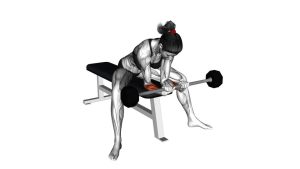
Yes. The Barbell Standing Back Wrist Curl is a variation of the reverse wrist curl performed with the bar held behind the body instead of in front.
How heavy should I go on this exercise?
Start lighter than you would for most barbell movements. Because the range of motion is short and the target muscles are small, strict technique matters much more than heavy loading.
Should I feel this in my wrists or my forearms?
You should mainly feel the exercise in the back of the forearms. A little wrist effort is normal, but sharp wrist discomfort usually means the load is too heavy or the range is too aggressive.
Where should I place this exercise in a workout?
It works well near the end of an upper-body, pull, or arm workout as a forearm accessory. It can also be used after grip training for additional extensor work.
Recommended Equipment
- Standard 1-Inch Straight Barbell — ideal for controlled wrist curl variations at home
- Standard 1-Inch Weight Plates — lets you make small load adjustments for strict forearm work
- Wrist Wraps — useful for added support if your wrists fatigue during barbell accessory work
- Thick Grip Adapters — can increase grip and forearm demand during supporting exercises
- Wrist Roller / Forearm Trainer — a good companion tool for extra forearm endurance and grip-focused training
Tip: For this movement, a lighter bar with small plates is often better than a full-size heavy setup. Cleaner reps usually beat heavier reps for forearm isolation.