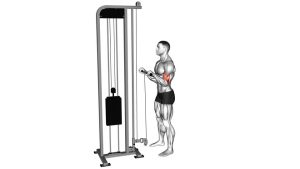
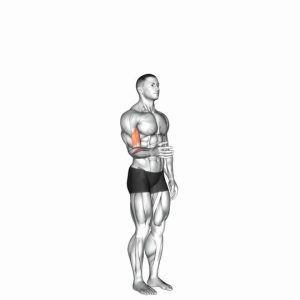
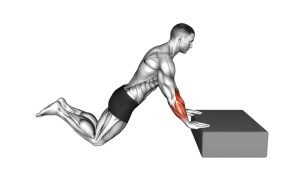
Barbell Reverse Wrist Curl: Forearm Extensor Form, Sets, Tips & FAQ
Learn the Barbell Reverse Wrist Curl to strengthen wrist extensors, improve forearm balance, and build grip-supporting strength with proper form, sets, tips, FAQs, and equipment.
Barbell Reverse Wrist Curl
The Barbell Reverse Wrist Curl may look simple, but it rewards precision. Because the wrist extensors are smaller than many major upper-body muscles, this exercise should be performed with a light-to-moderate load, strict control, and a smooth range of motion. The goal is not to lift the heaviest bar possible. The goal is to isolate the wrist joint, keep the forearms stable, and create clean tension across the top of the forearms.
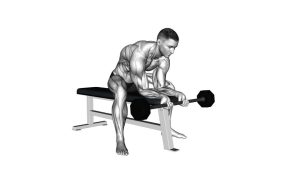
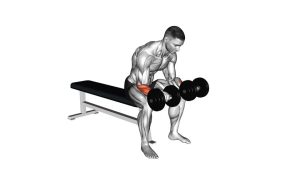
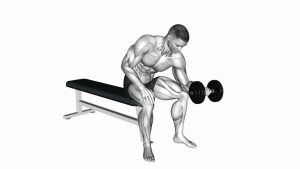
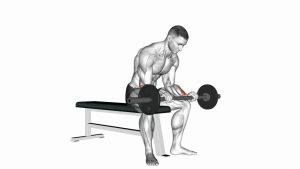
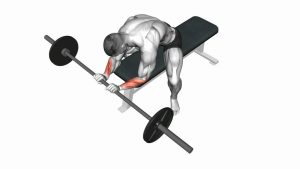
In the video demonstration, the lifter sits with the forearms supported on the thighs, palms facing down, and the barbell held with a controlled overhand grip. The wrists lower into a gentle stretch, then extend upward until the forearm extensors contract. The elbows stay planted, the shoulders remain relaxed, and the bar path is short and controlled. This is exactly how the exercise should feel: small movement, high focus, and no swinging.
Quick Overview
| Body Part | Forearms |
|---|---|
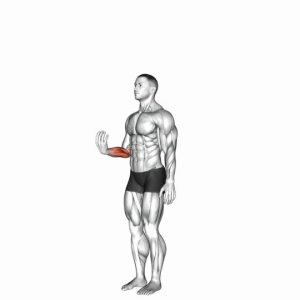
| Primary Muscle | Wrist extensors, including extensor carpi radialis, extensor carpi ulnaris, and extensor digitorum |
| Secondary Muscle | Brachioradialis, finger extensors, grip stabilizers, and small wrist-supporting muscles |
| Equipment | Straight barbell, bench or stable seated position |
| Difficulty | Beginner to Intermediate |
Sets & Reps (By Goal)
- Forearm endurance: 2–3 sets of 15–25 reps using a light bar and smooth tempo.
- Muscle growth: 3–4 sets of 10–15 reps with a controlled lift and slow lowering phase.
- Wrist stability: 2–3 sets of 12–20 reps with a 1–2 second pause at the top.
- Grip support training: 3 sets of 12–18 reps after pulling exercises or arm training.
- Beginner technique practice: 2 sets of 10–12 reps using an empty barbell or very light preloaded bar.
Progression rule: Add reps first, then increase load slowly. The wrist extensors fatigue quickly, so small jumps in weight are usually better than large increases.
Setup / Starting Position
- Sit on a bench: Place your feet flat on the floor and sit tall with your torso slightly leaned forward.
- Support your forearms: Rest both forearms on your thighs so your wrists hang just beyond your knees.
- Use a pronated grip: Hold the barbell with palms facing down and hands about shoulder-width apart.
- Set the elbows: Keep your elbows and forearms fixed against your thighs throughout the set.
- Start in the lowered position: Let the wrists flex gently downward while maintaining control of the bar.
- Brace lightly: Keep your shoulders relaxed, chest steady, and grip firm without crushing the bar.
The most important setup detail is forearm stability. Your forearms should act like a solid platform while the wrists perform the movement. If your elbows lift, your shoulders tense, or the bar swings, the load is probably too heavy.
Execution (Step-by-Step)
- Begin with the wrists lowered: Allow the barbell to sit below the line of your forearms. Keep the fingers wrapped around the bar and avoid letting it roll loosely.
- Extend the wrists upward: Lift the back of your hands toward your forearms by contracting the top-side forearm muscles.
- Keep the forearms still: Do not raise your elbows, lean back, or use shoulder movement to help the lift.
- Pause at the top: Hold the peak contraction briefly when the wrists reach their highest comfortable position.
- Lower slowly: Return the bar under control until the wrists are again flexed downward.
- Repeat with rhythm: Use a smooth tempo and keep every rep identical from start to finish.
Pro Tips & Common Mistakes
Pro Tips
- Use light weight: Wrist extensors respond best to controlled tension, not ego lifting.
- Control the eccentric: Lowering slowly builds strength and protects the wrist joint.
- Keep the wrists aligned: Avoid twisting the hands inward or outward during the lift.
- Pause at the top: A short hold improves muscle connection and reduces momentum.
- Train after heavier lifts: Place this exercise near the end of your workout after rows, curls, or pulling work.
Common Mistakes
- Going too heavy: Heavy loads often turn the movement into a jerky partial rep.
- Lifting the forearms: The forearms should stay planted on the thighs or bench.
- Using momentum: Swinging the bar reduces tension on the wrist extensors.
- Cutting the range short: Use a comfortable but complete wrist motion.
- Letting the grip collapse: Keep the bar secure so the wrists can move cleanly.
FAQ
What muscles does the Barbell Reverse Wrist Curl work?
It primarily trains the wrist extensors on the top of the forearm. These muscles help extend the wrist, stabilize the hand during gripping, and balance the stronger wrist flexors on the underside of the forearm.
Is the Barbell Reverse Wrist Curl good for forearm size?
Yes. While it may not use heavy weight, it adds important volume to the upper forearm. When combined with wrist curls, reverse curls, hammer curls, and grip work, it can help create more complete forearm development.
Should I use a straight bar or EZ bar?
A straight bar is the classic option and works well for strict form. An EZ bar may feel more comfortable for some lifters because it can reduce wrist strain. Choose the version that lets you move smoothly without pain.
How heavy should I go?
Start very light. Many lifters only need an empty bar, short bar, or light fixed barbell. If you cannot pause at the top and lower slowly, the weight is too heavy.
Can beginners do this exercise?
Yes. Beginners can perform it safely when they use light resistance and strict control. It is best learned seated with the forearms supported because that removes extra body movement.
When should I include it in my workout?
Place it near the end of an arm, pull, or upper-body session. Because the forearms assist many pulling movements, training them too early may reduce grip performance on heavier exercises.
Recommended Equipment
- Straight Barbell — the main tool for performing classic barbell reverse wrist curls.
- EZ Curl Bar — a wrist-friendly alternative for lifters who prefer angled grips.
- Adjustable Weight Bench — provides a stable seated setup for strict forearm isolation.
- Small Barbell Weight Plates — useful for gradual loading without jumping too heavy.
- Wrist Wraps — optional support for lifters who need extra wrist stability during training.
Tip: For this exercise, smaller load increases are better. Prioritize controlled reps, full wrist movement, and a clean top contraction before adding more weight.