String Pull Exercise: Form, Benefits, Sets, Tips & FAQ
Learn how to do the String Pull exercise with proper form. Build upper-arm endurance, shoulder control, coordination, and posture with step-by-step cues, sets, tips, FAQs, and equipment.
String Pull
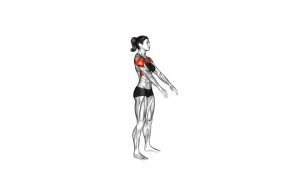
This movement is especially useful as a warm-up, beginner upper-body exercise, low-impact conditioning drill, or mobility-focused finisher. Because the arms stay active in front of the body while one side pulls back and the other reaches forward, the String Pull encourages coordination between the shoulders, upper arms, and upper back. It also helps teach the body to move the arms without excessive torso twisting, shrugging, or neck tension.
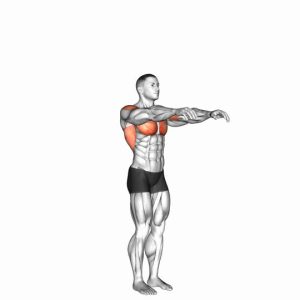
Use a controlled tempo and imagine that each hand is grabbing and pulling a light string. Keep the elbows soft, the chest open, and the ribs stacked over the hips. When done correctly, the exercise should feel rhythmic, light, and athletic. You may feel work through the front and back of the shoulders, the upper arms, and the muscles around the shoulder blades, but you should not feel sharp pain or heavy strain.
Quick Overview
| Body Part | Arms |
|---|---|
| Primary Muscle | Upper arms, especially biceps and triceps as light stabilizers during the alternating pull |
| Secondary Muscle | Shoulders, rear deltoids, upper back, rhomboids, mid traps, and scapular stabilizers |
| Equipment | No equipment required |
| Difficulty | Beginner |
Sets & Reps (By Goal)
- Warm-up: 1–2 sets × 20–30 seconds at an easy rhythm before upper-body training.
- Beginner arm endurance: 2–3 sets × 30–45 seconds with relaxed shoulders and smooth breathing.
- Posture and coordination: 2–4 sets × 10–15 pulls per side, focusing on clean arm path and minimal torso movement.
- Low-impact conditioning: 3–5 rounds × 30–60 seconds with 30–45 seconds of rest between rounds.
- Mobility finisher: 1–3 sets × 45–60 seconds using a slow, controlled tempo after your main workout.
Progression rule: First improve rhythm and posture. Then increase time under tension by 5–10 seconds per set. Add light resistance only when you can keep the shoulders down, the neck relaxed, and the torso stable.
Setup / Starting Position
- Stand tall: Place your feet about hip-width apart with your weight balanced evenly through both feet.
- Stack your posture: Keep your ribs over your hips, your spine long, and your head in a neutral position.
- Relax your shoulders: Let the shoulder blades sit naturally on the rib cage instead of shrugging them toward your ears.
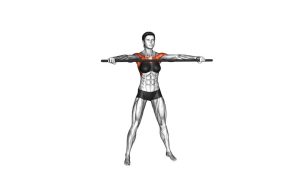
- Raise the arms: Bring both arms forward to about chest or shoulder height, depending on your comfort level.
- Soften the elbows: Keep a small bend in each elbow so the arms are active but not locked.
- Prepare the grip: Shape your hands as if you are holding a light string or rope in front of you.
- Brace lightly: Engage your core just enough to prevent swaying, leaning, or twisting through the torso.
Starting with the arms slightly below shoulder height is fine if your shoulders feel tight. The movement should stay comfortable and controlled.
Execution (Step-by-Step)
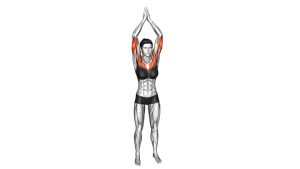
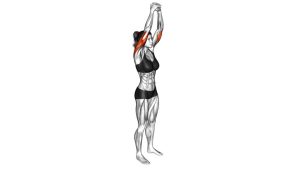
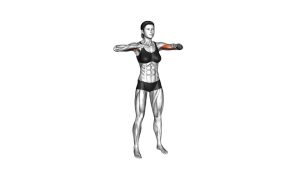
- Begin in the active start position: Stand tall with both arms lifted in front of you, elbows slightly bent, and palms positioned as if gripping an invisible string.
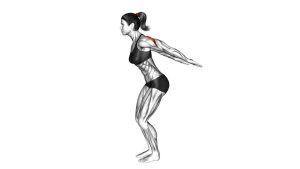
- Pull one arm back: Draw one elbow backward toward your side as if pulling the string toward your body.
- Reach the opposite arm forward: As one arm pulls back, allow the other arm to extend forward in a controlled way.
- Keep the shoulders down: Avoid shrugging. Think about creating space between your ears and shoulders.
- Switch sides smoothly: Extend the pulling arm forward again while the opposite arm pulls back.
- Maintain a steady rhythm: Continue alternating sides like a hand-over-hand rope pull.
- Control the torso: Keep the chest mostly facing forward. A small natural movement is fine, but avoid exaggerated twisting.
- Breathe naturally: Exhale gently as you pull and inhale as you reset into the next repetition.
- Finish with control: Slow the motion down, lower the arms carefully, and return to a neutral standing posture.
Pro Tips & Common Mistakes
Pro Tips
- Imagine a light rope: This cue keeps the pull active without turning the drill into a tense, aggressive movement.
- Use smooth alternation: Each arm should trade positions naturally, with no jerky pauses or rushed pulling.
- Keep your ribs quiet: A stable rib cage helps prevent unnecessary lower-back arching.
- Let the shoulder blades move: Allow a small reach forward and a small retraction back, but do not squeeze excessively.
- Match both sides: Try to pull evenly with the right and left arm so one side does not dominate the rhythm.
- Start slow before going faster: Speed only helps when the movement pattern is already clean.
Common Mistakes
- Shrugging the shoulders: This shifts tension into the neck and upper traps instead of keeping the movement relaxed and controlled.
- Twisting too much: Excessive torso rotation reduces arm control and turns the drill into a sloppy full-body swing.
- Dropping the arms: When fatigue appears, the arms often fall too low. Shorten the set before form breaks.
- Locking the elbows: A rigid elbow position can make the movement feel stiff and uncomfortable.
- Pulling too hard: The exercise should be rhythmic and controlled, not forceful or painful.
- Holding the breath: Breath-holding increases unnecessary tension. Keep breathing steady throughout the set.
FAQ
What muscles does the String Pull exercise work?
The String Pull mainly trains the upper arms, shoulders, rear deltoids, and upper-back stabilizers. The biceps and triceps assist with arm control, while the shoulder blades move lightly through reach and retraction.
Is the String Pull good for beginners?
Yes. It is beginner-friendly because it uses bodyweight only and does not require equipment. Beginners should start with slow reps, short sets, and a comfortable arm height.
Should I feel this exercise in my neck?
No. The neck should stay relaxed. If you feel neck tension, lower the arms slightly, reduce speed, and focus on keeping the shoulders down.
Can I use resistance bands for the String Pull?
Yes, but only after you master the bodyweight version. A light resistance band can make the drill more challenging, but heavy resistance may cause shrugging, twisting, or poor shoulder control.
How fast should I perform the movement?
Start slow and controlled. Once your technique is clean, you can use a moderate rhythm for endurance or conditioning. Avoid moving so fast that your arms swing without control.
Can I use this as a warm-up?
Yes. The String Pull works well before upper-body workouts, arm training, shoulder sessions, posture work, or light cardio circuits because it increases blood flow and improves coordination.
Recommended Equipment
- Light Resistance Bands Set — useful if you want to progress the movement with gentle resistance.
- Loop Resistance Bands — helpful for shoulder activation drills and upper-body warm-ups.
- Exercise Mat — provides a comfortable training area for warm-ups, mobility, and bodyweight work.
- Posture Corrector Brace — can be used as a light awareness tool for shoulder positioning.
- Foam Roller — useful for upper-back mobility and posture-focused warm-up routines.
Tip: The String Pull does not require equipment. Add tools only when they help your posture, comfort, or progression without reducing movement quality.